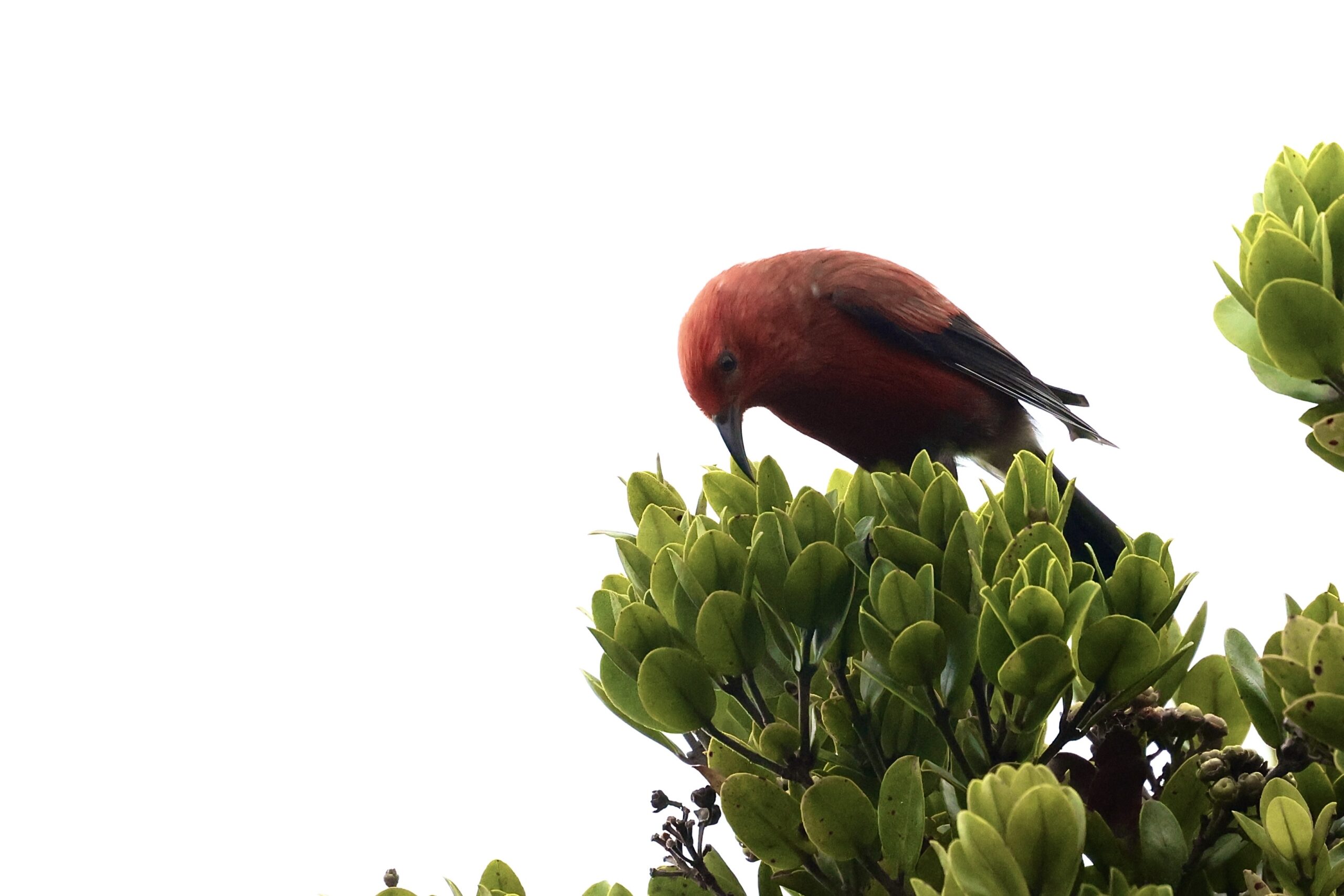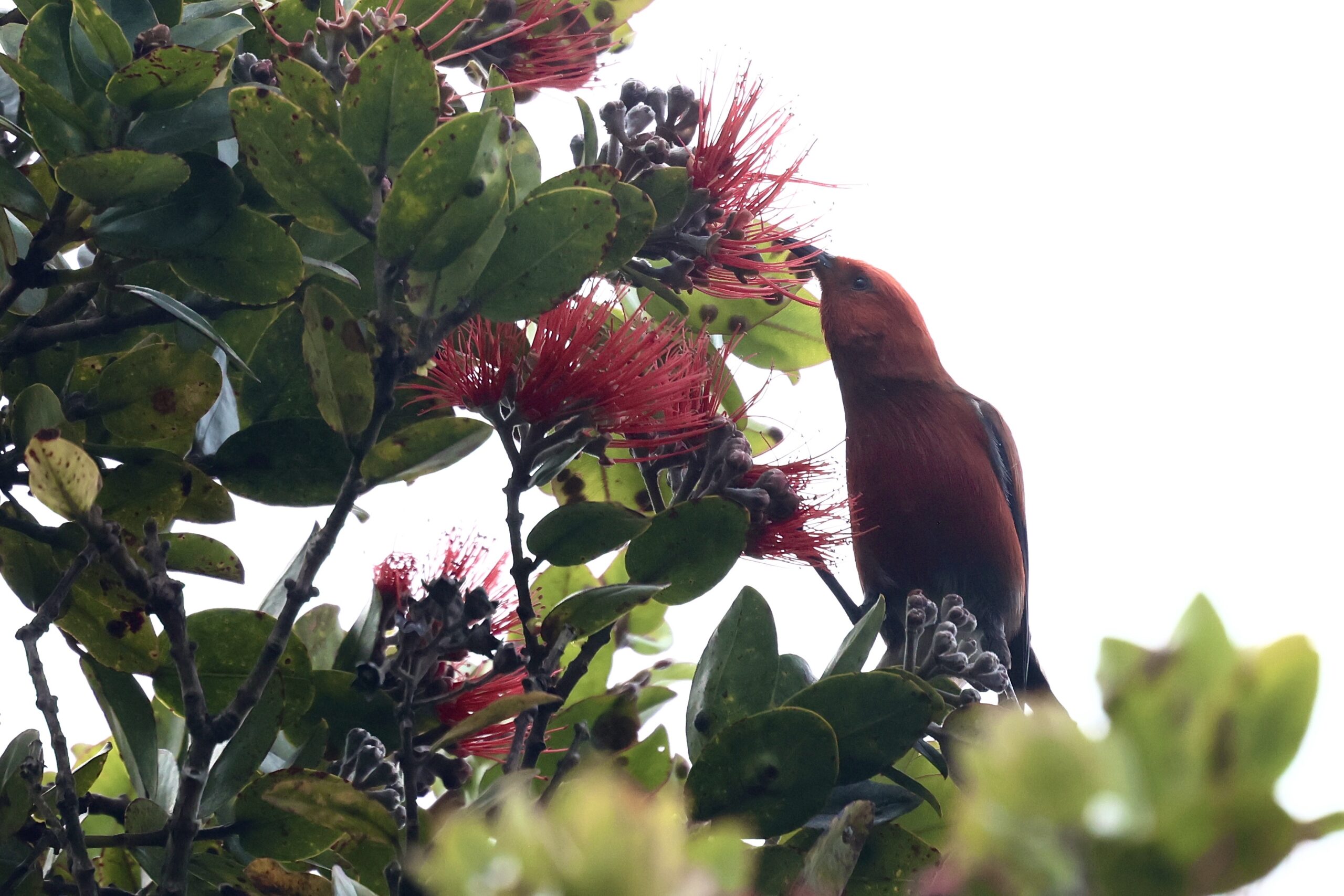
On day five of our trip, we spent the entire day in the stunning Kokeʻe State Park of Kauaʻi.
Being the oldest of the main Hawaiʻi islands, Kauaʻi is not very high in elevation, which means that most of its native forests have been captured by the mosquito armies. Being a Monarch Flycatcher, the ʻElepaios are one of the few native birds in Hawaiʻi that do not get affected by avian malaria. This helped them become the most common native forest bird in Kauaʻi, but even they can only be reliably found in the high elevation Kokeʻe State Park. One other native bird has remained in the Kokeʻe State Park, the ʻAnianiau, although there is probably only one or two of them left. The Kauaʻi ʻAmakihi have completely moved out of Kokeʻe State Park. The only place to find the Kauaʻi ʻAmakihi, Puaiohi, ʻAkekeʻe, and functionally extinct ʻAkikiki is the nearly completely inaccessible Mohihi-Waialae Trail. Since the island just went through a storm a week before we arrived, it was clearly not accessible right now.
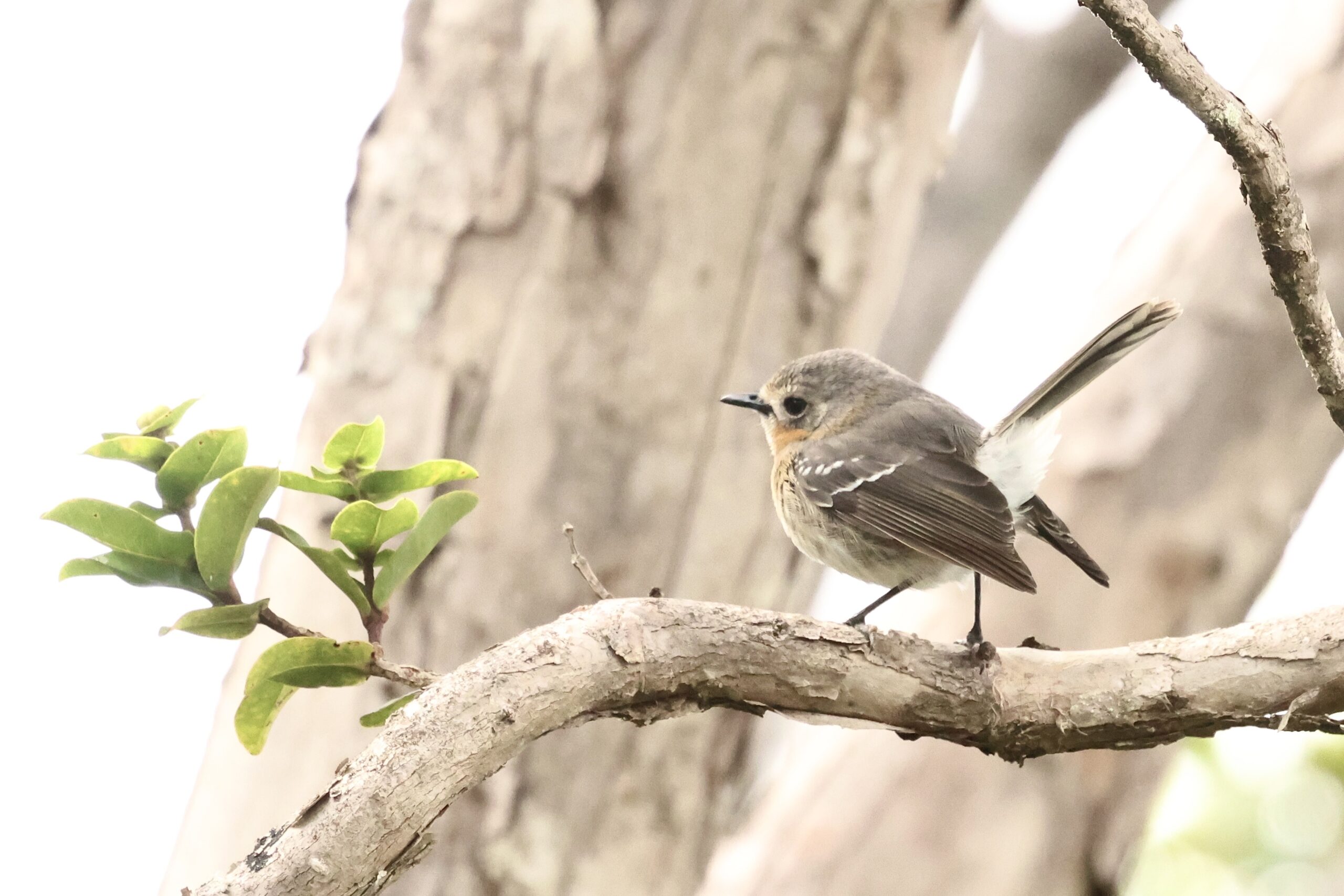
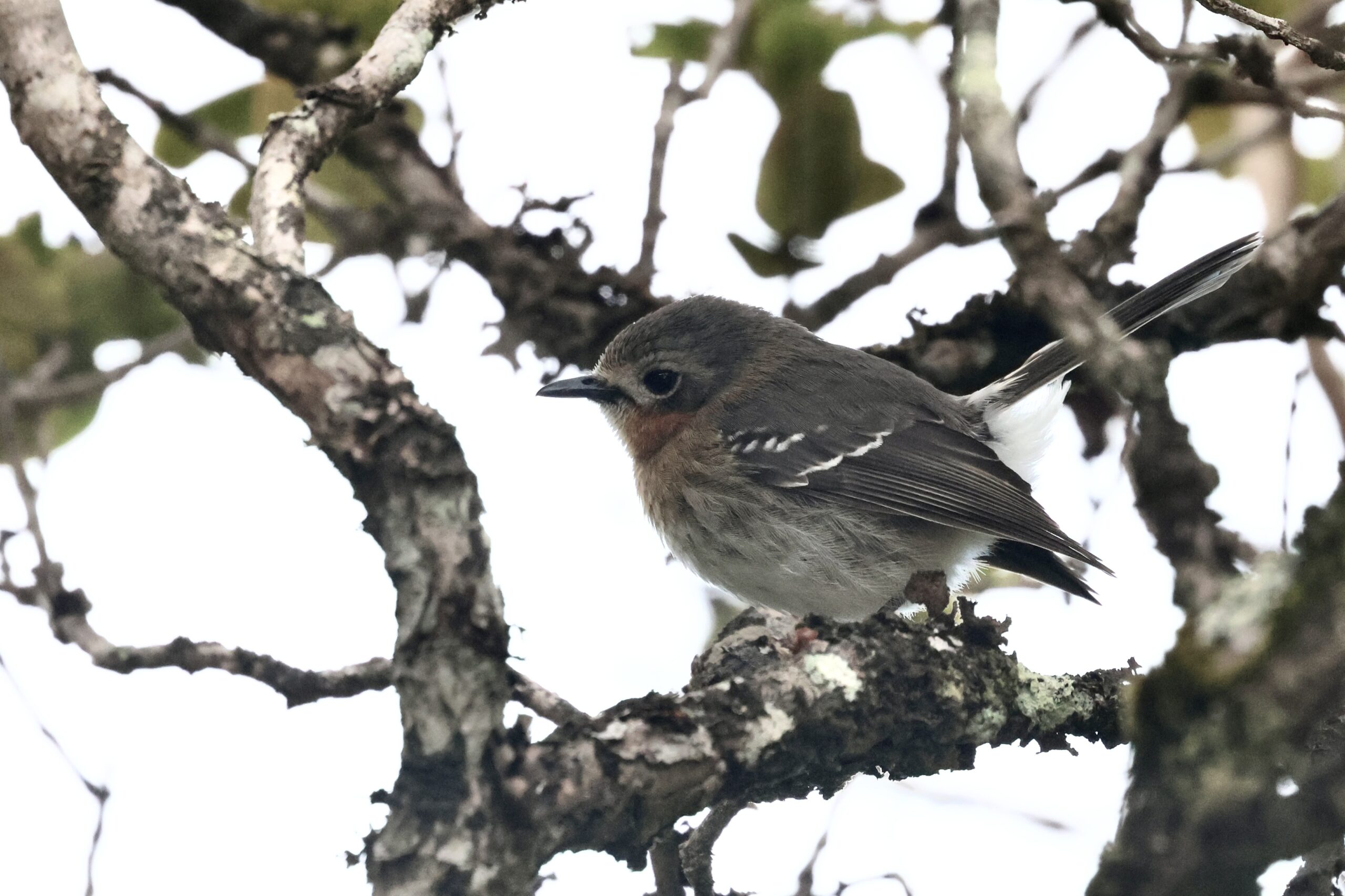
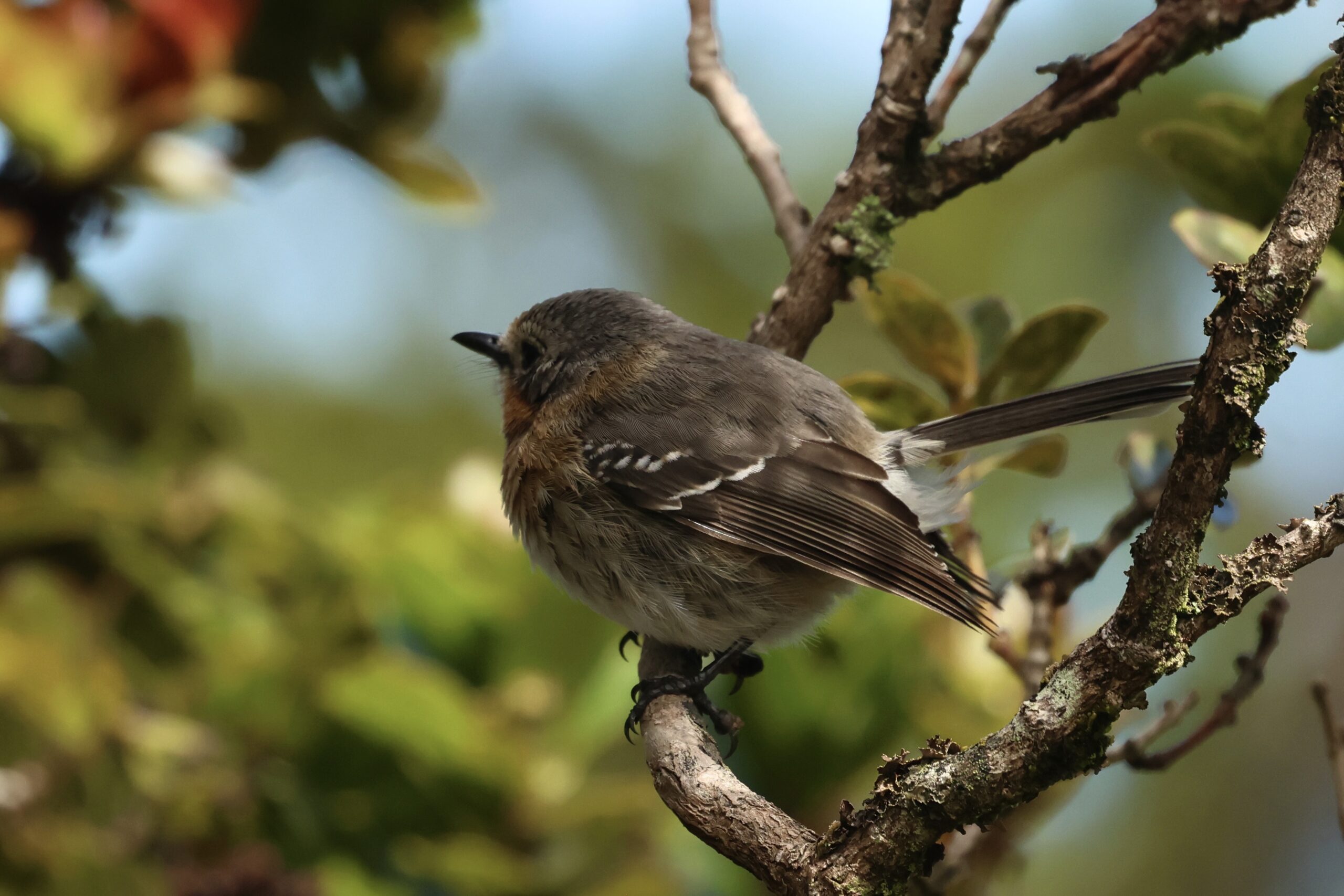
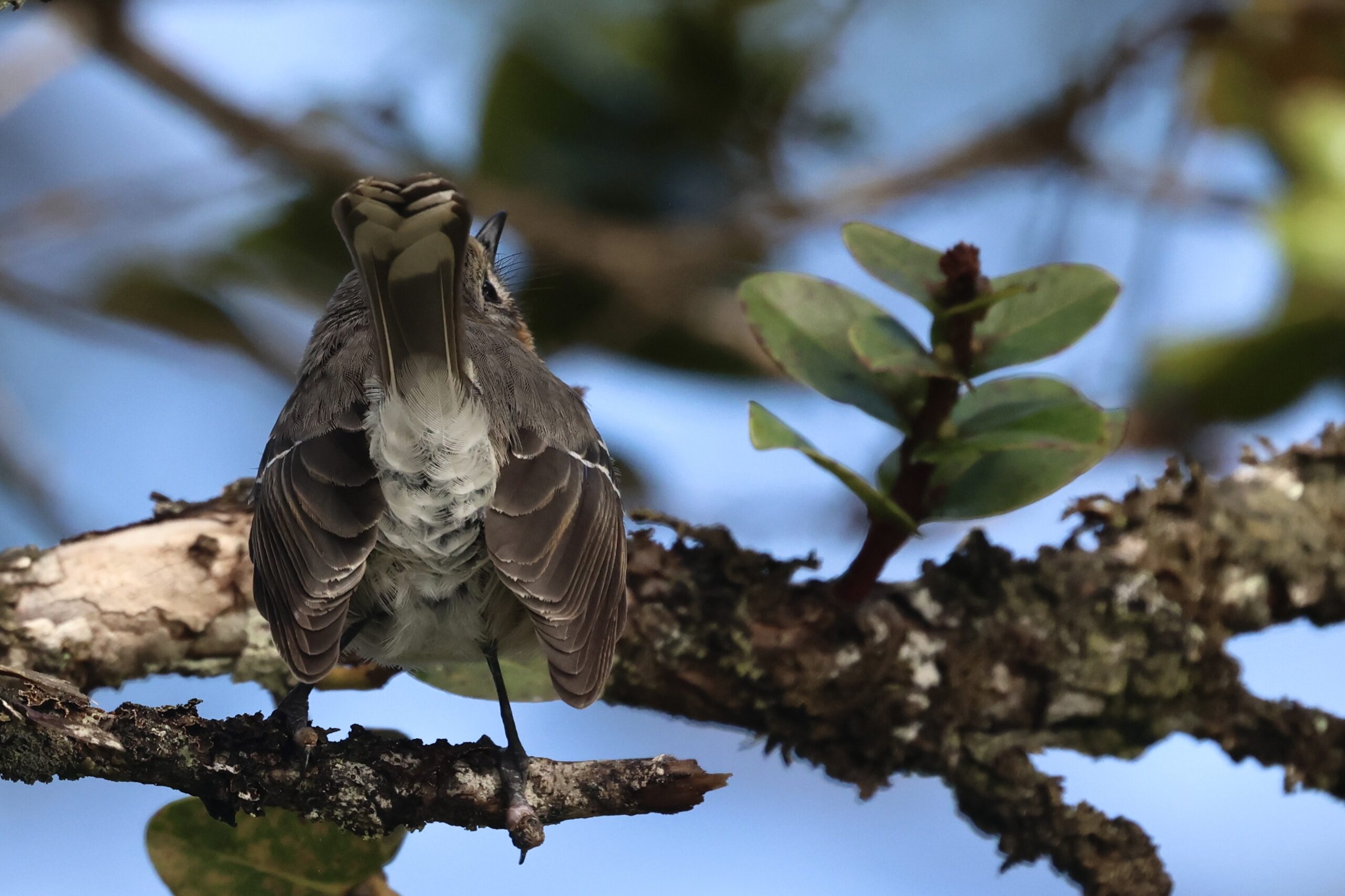
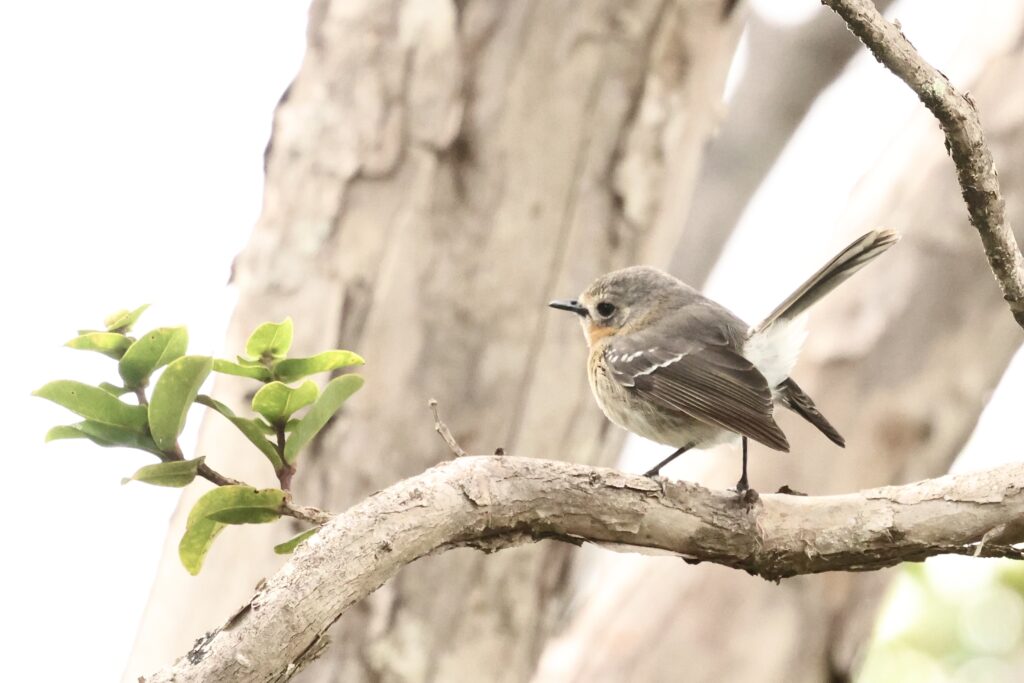
As we hiked to the small patch of forest just below the Puʻu O Kila Lookout, we started to search for the Kauaʻi ʻElepaio and ʻAnianiau. This tiny patch has recently become the only easily accessed place for native Kauaʻi forest birds. Soon, we found a cute Kauaʻi ʻElepaio on a bush. It jumped with its tail cocked up, curiously inspecting birders attracted to it. As it slowly moved out of view while singing, we continued our search for the ʻAnianiau.
After a whole day of searching, no ʻAnianiau was found, but we did hear and record an unfamiliar sound that we were not sure about identification. To me, it did sound like an ʻAnianiau!
eBird checklists:
- Kōkeʻe SP road–Kalalau to Pu‘u O Kila lookout MORNING
- Kōkeʻe SP road–Kalalau to Pu‘u O Kila lookout AFTERNOON