Day three of our trip, we were finally going to experience Hawaiʻi’s rainforest before it has become The Introduced Species Capital of the World .
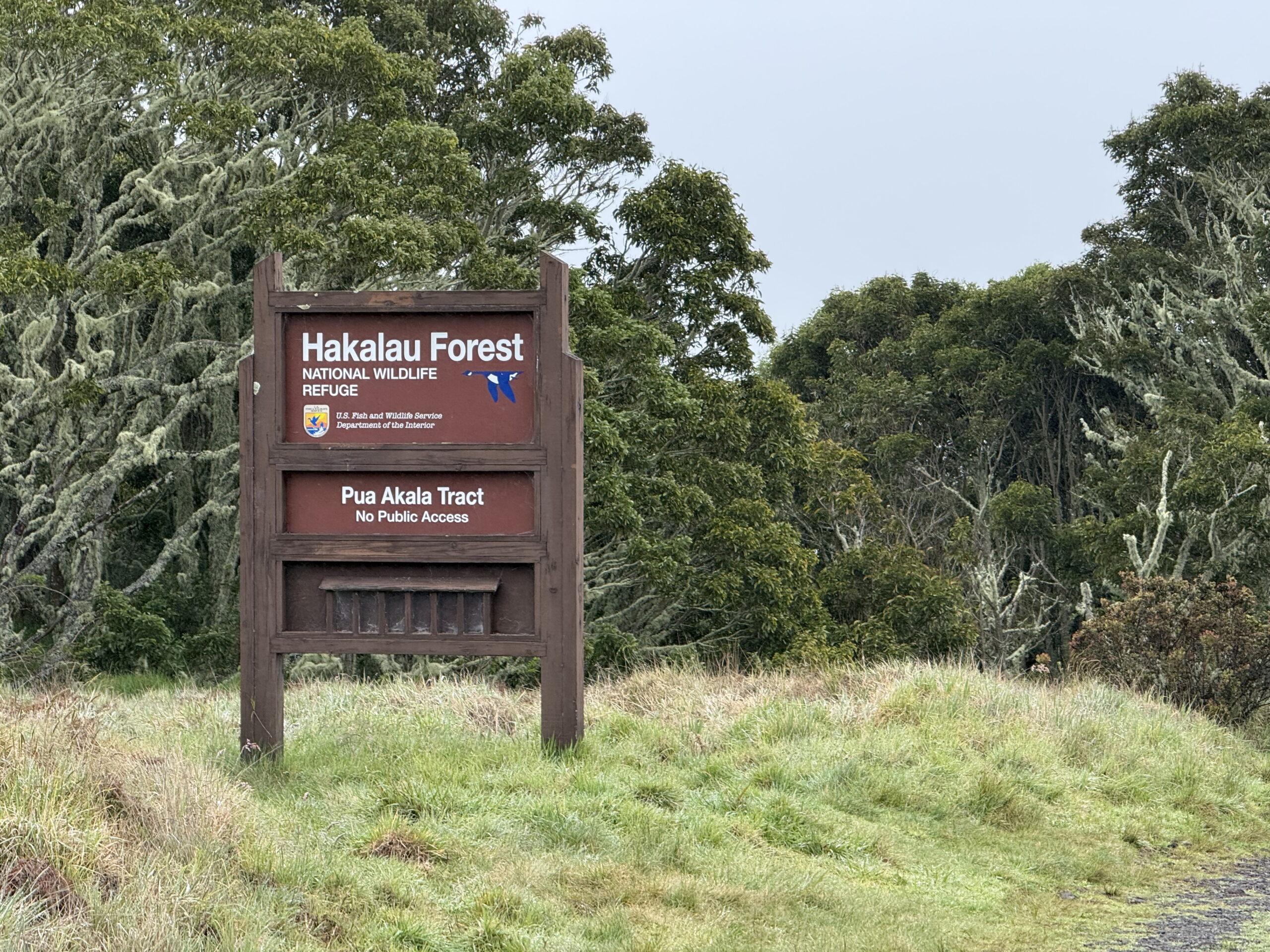
We were going to be visiting the world famous Hakalau Forest National Wildlife Refuge. It is the only place in Hawaii where you will see mostly NATIVE species.
The Hakalau Forest NWR is the most succesful conservation project in Hawaii, protecting all the native forest bird of Hawaiʻi. The NWR used to be a cattle ranch just like the rest of the island, but the conservation project changed every thing. The Hakalau ranch was transformed into the only place in Hawaiʻi where native species dominates. The projects planted hundreds of native plants including the Koa and ʻŌhiʻa tree that ʻAkiapōlāʻau (Aki will be used in the rest of this blog post), Hawaiʻi Creeper, and Hawaiʻi ʻAkepa (ʻAkepa will be used in the rest of this blog post) relies exclusively on. The NWR is protective on all sides with fences blocking any invasive sheep, cattle, or pigs from entering; mongoose and rat traps spread across the NWR reducing those invasive animals that destroy native bird nests.
With non-natives gone, native species dominate, even the rarest (except the Palila) can be found reliably.
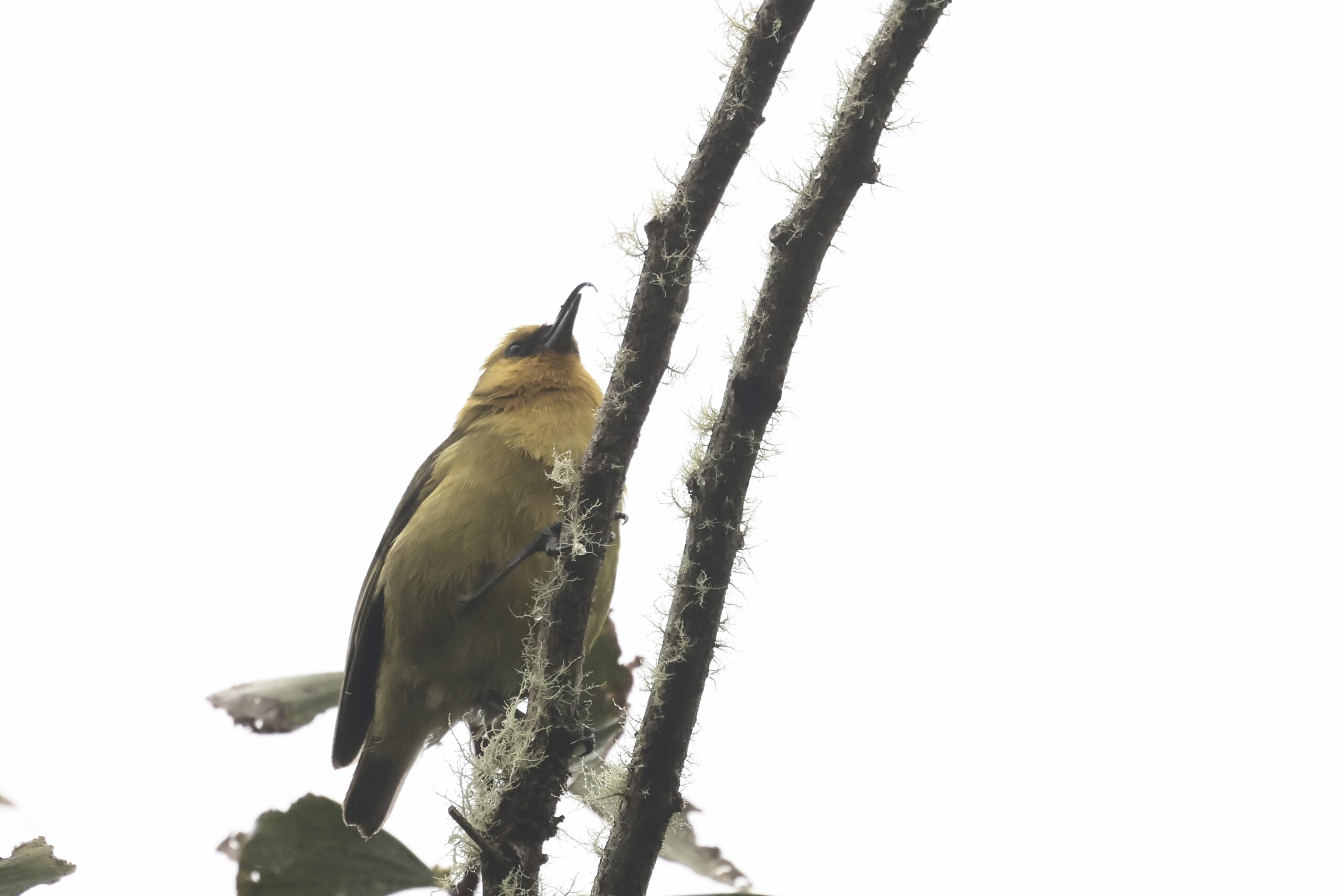
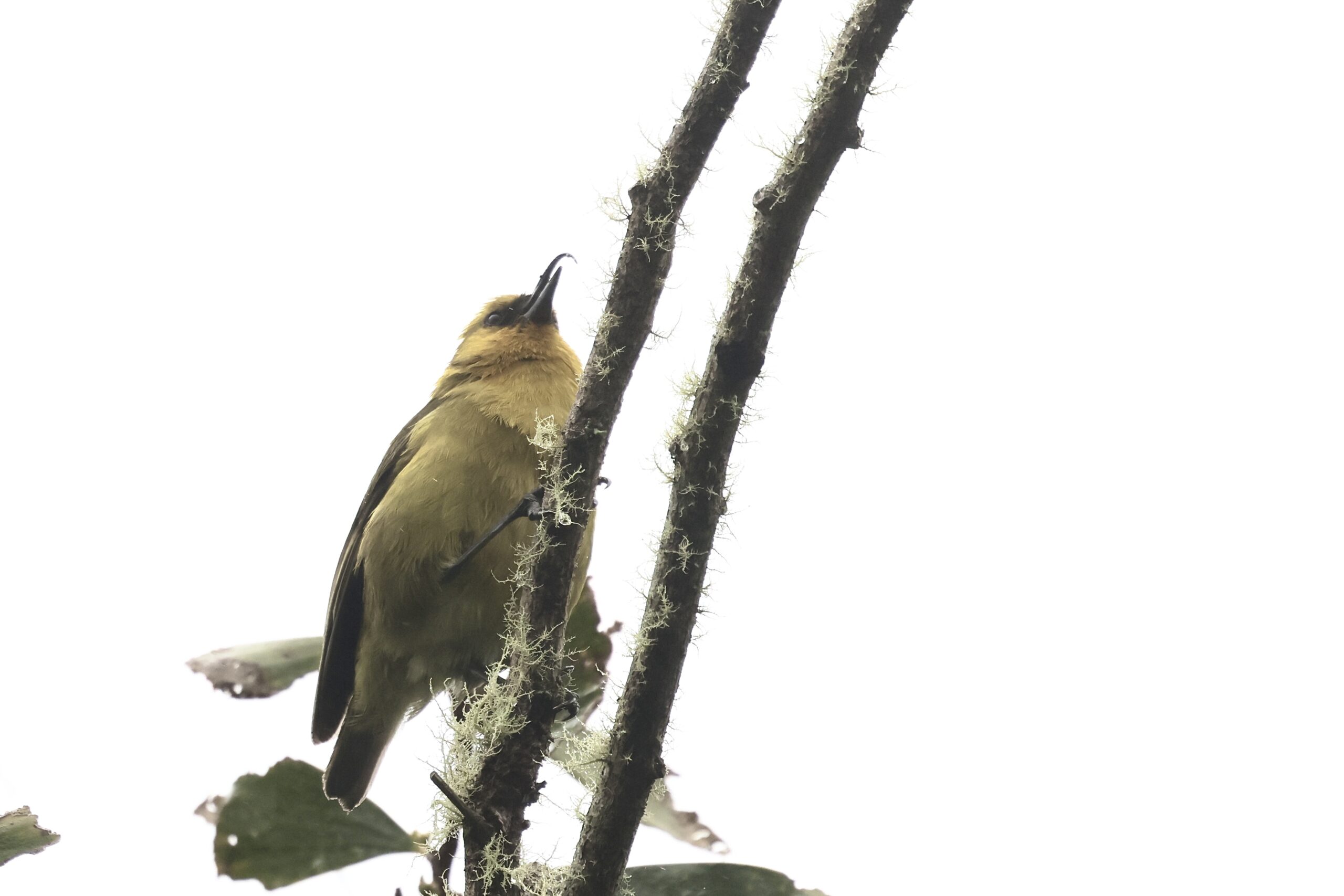
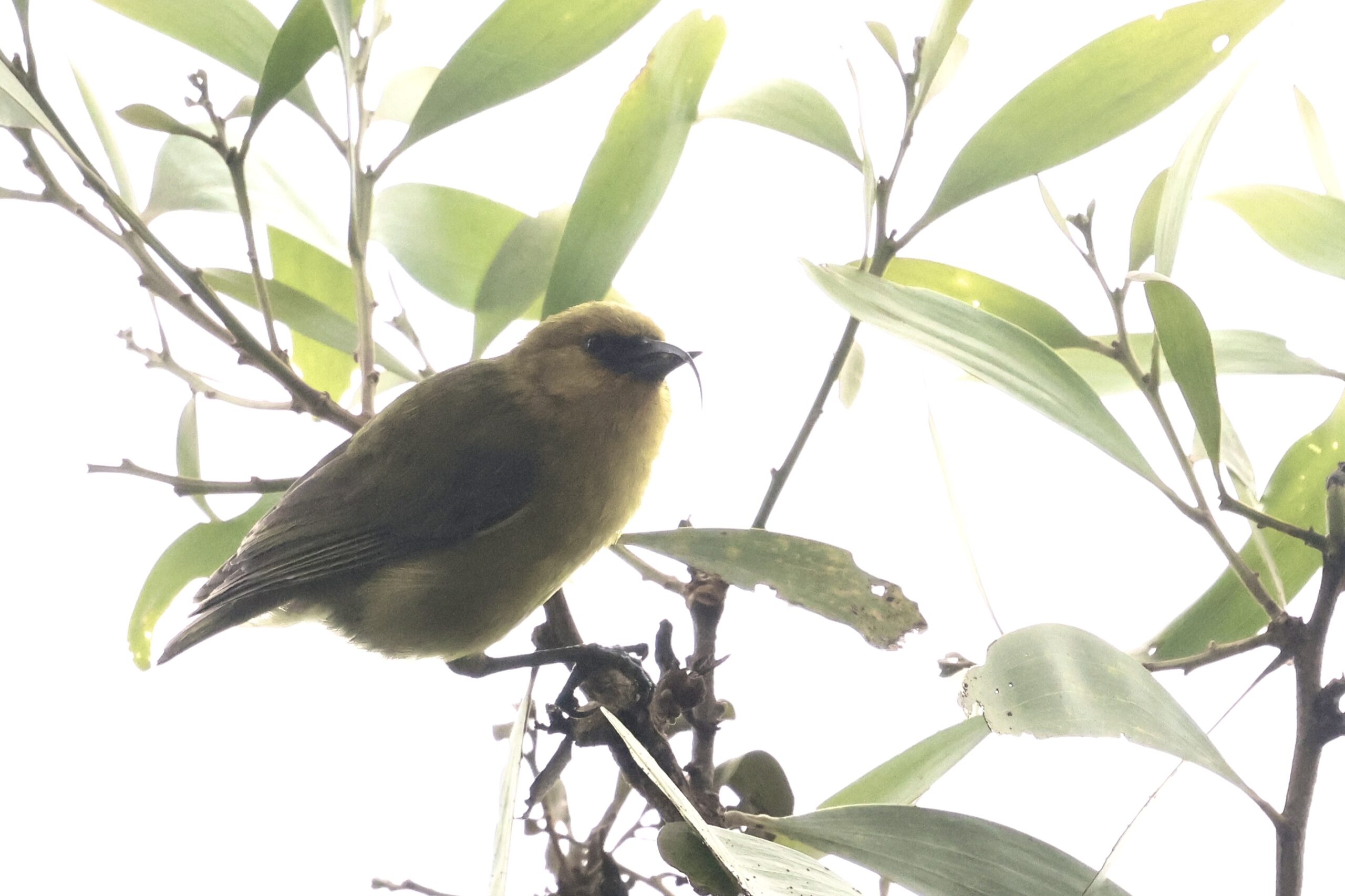
The rarest bird in the forest, the Aki, has the most special bill of all birds. It has evolved to fill the woodpecker role in Hawaiʻi, but in an even more advanced way. It has evolved a specialized thick lower mandible that drills holes in trees and a long curvy upper mandible that sends the insect right into its mouth. They rely exclusively on old Koa trees, as that is the only place where they can get their food.
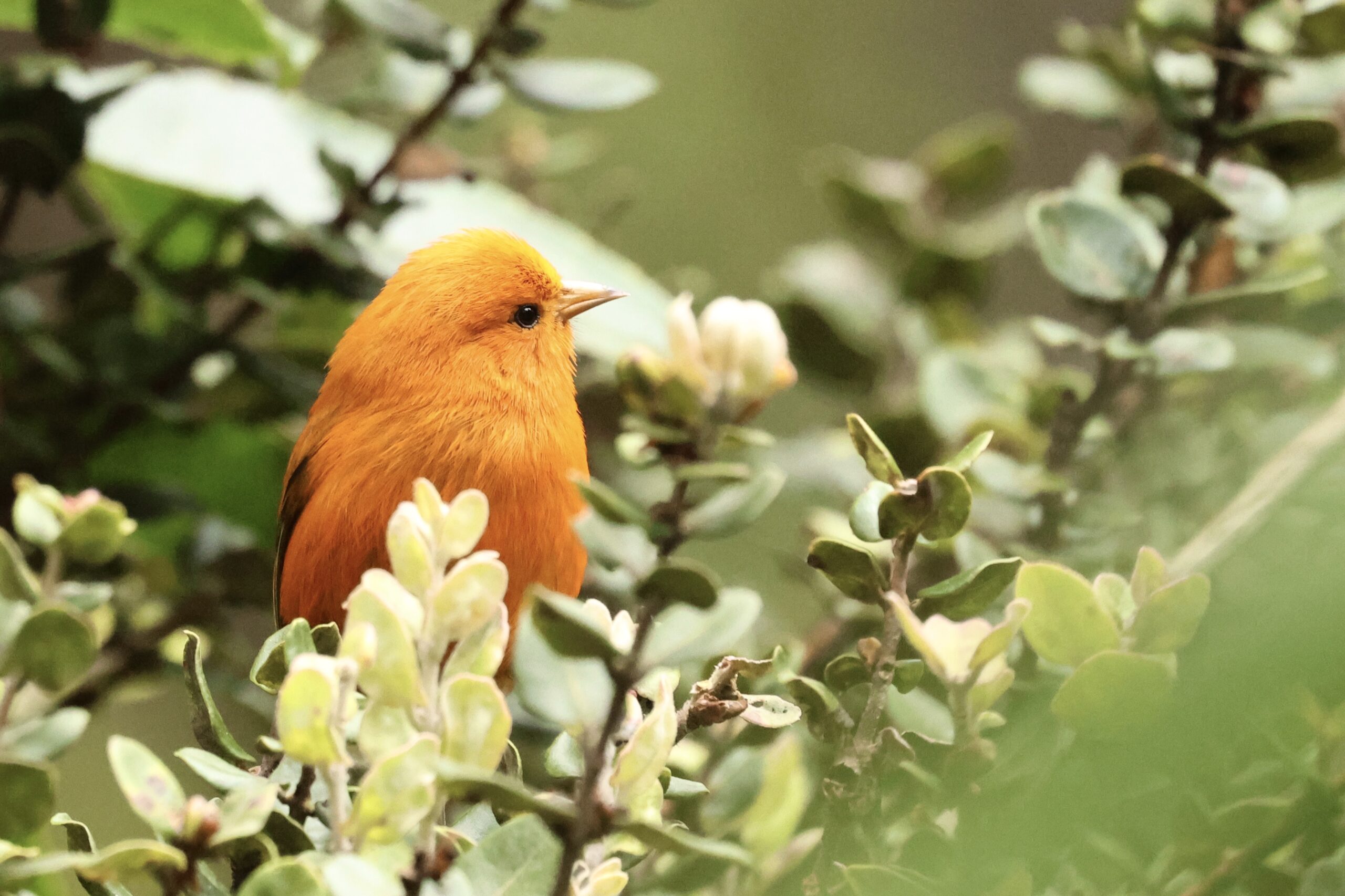
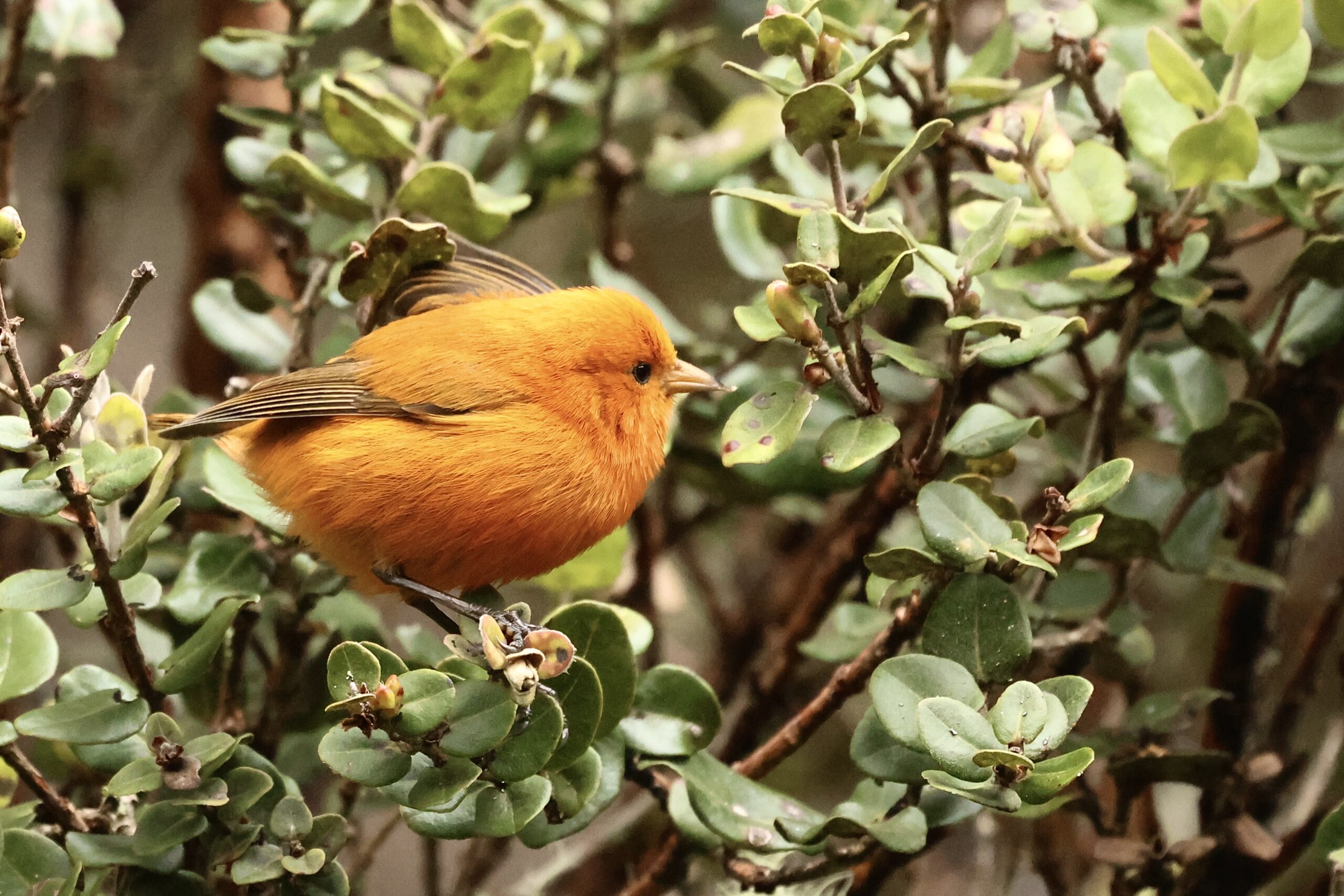
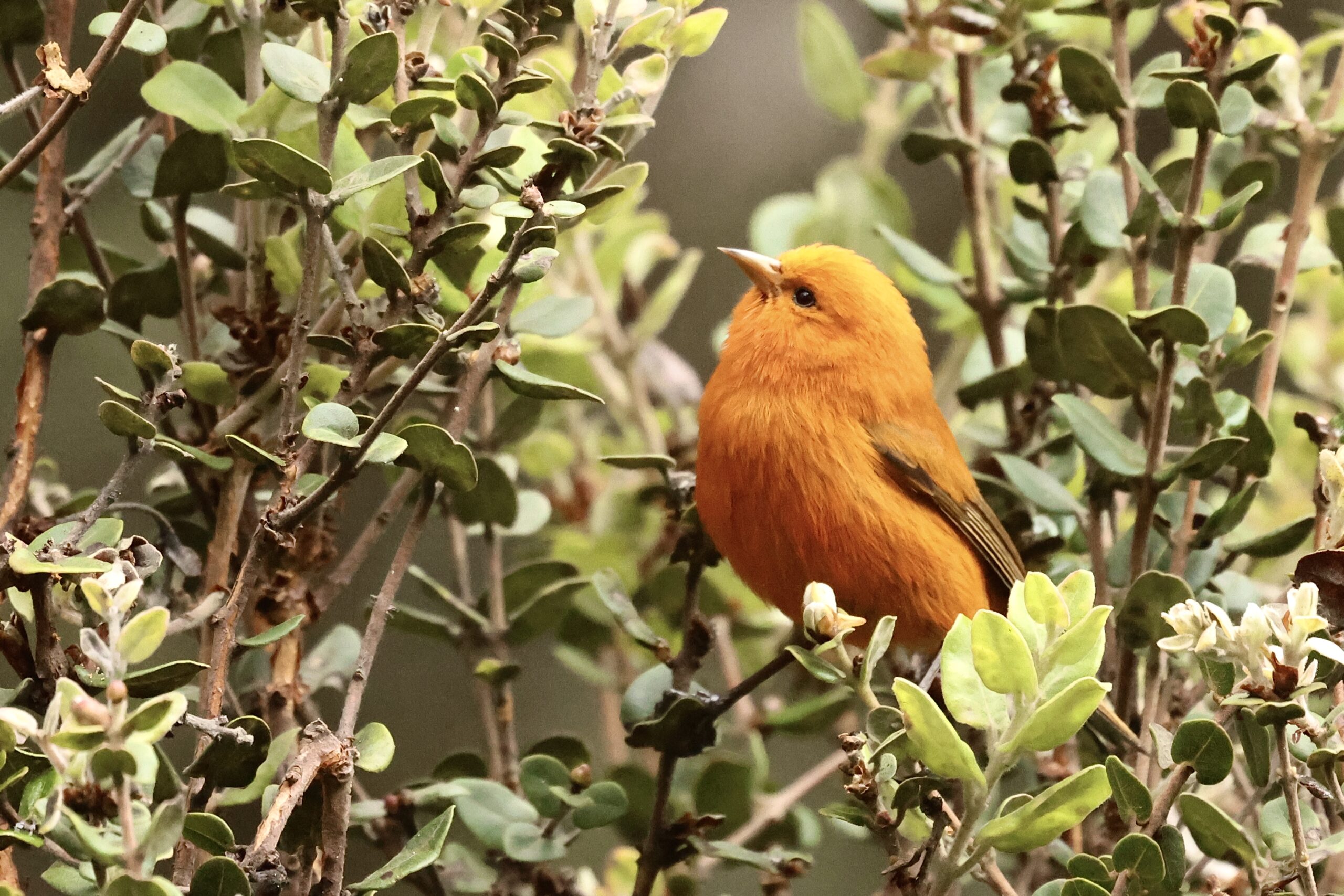
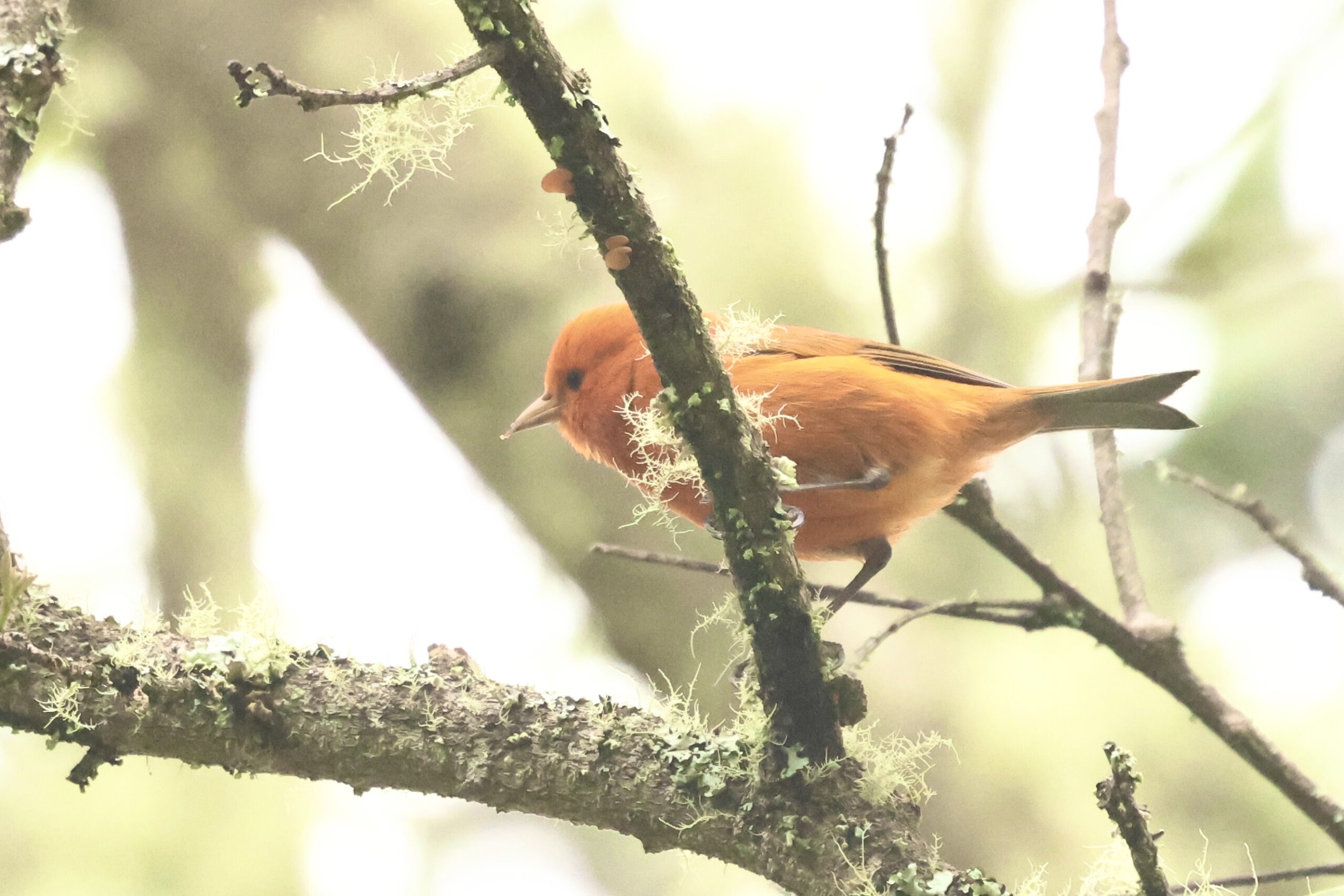
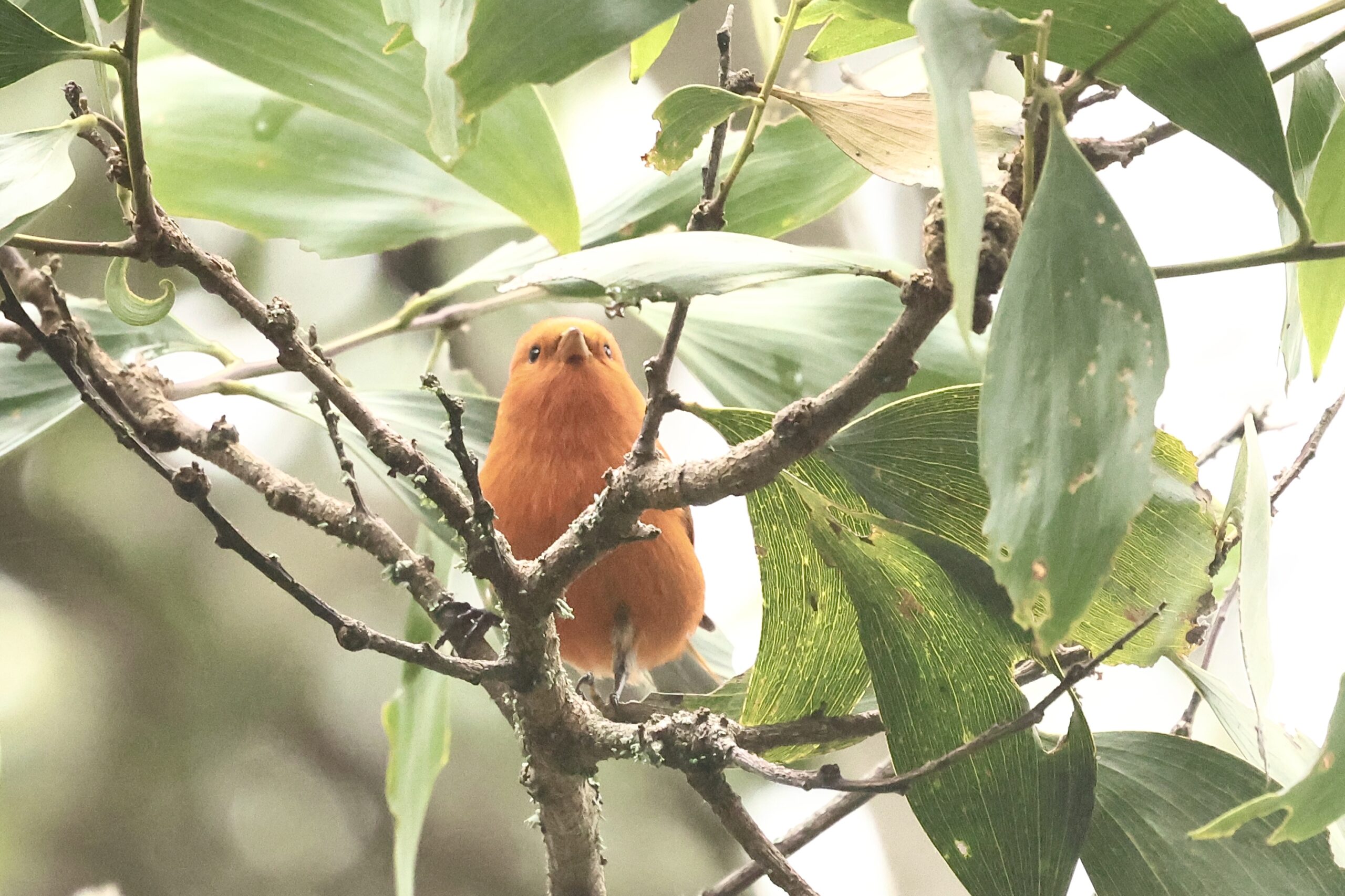
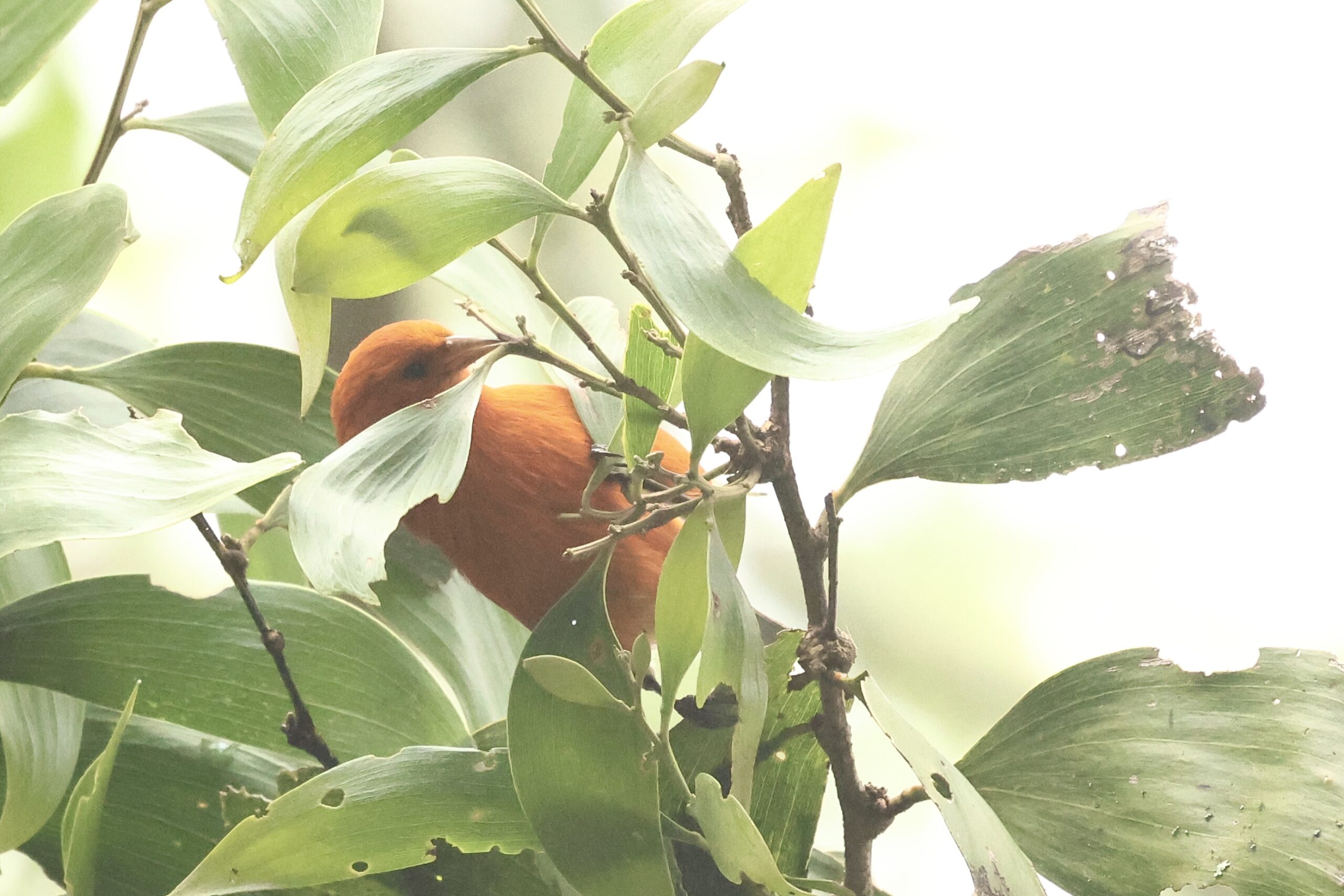
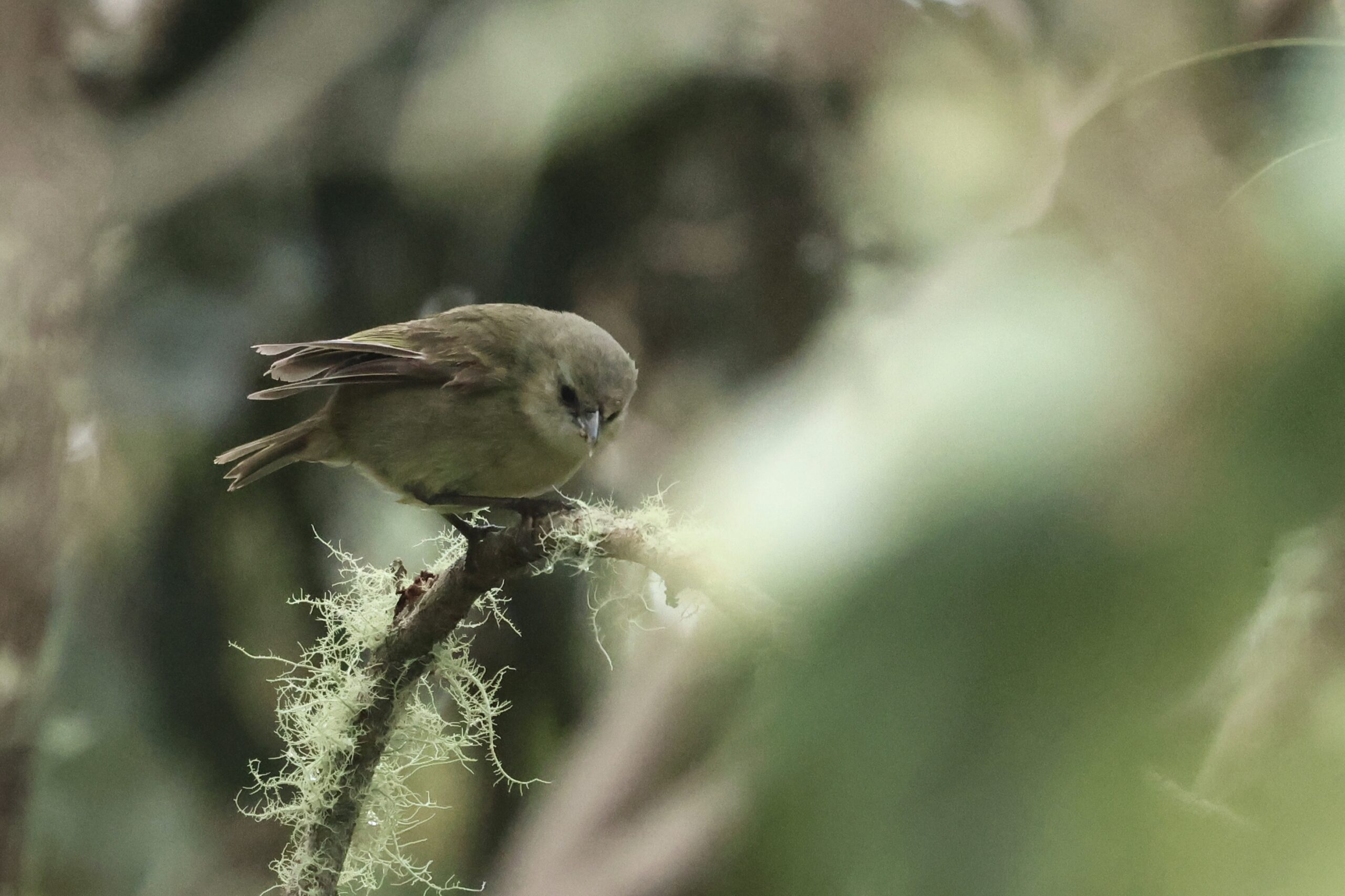
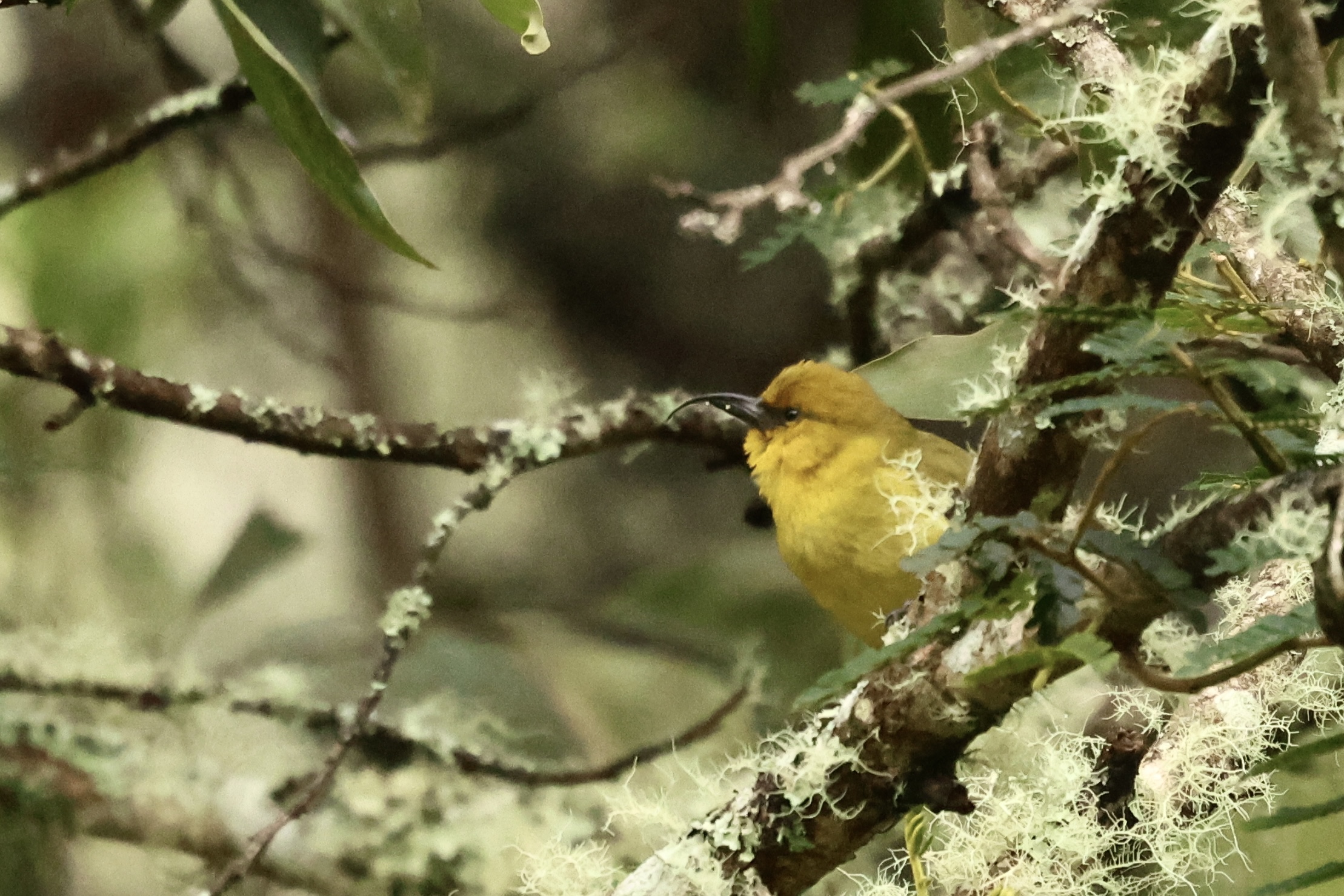
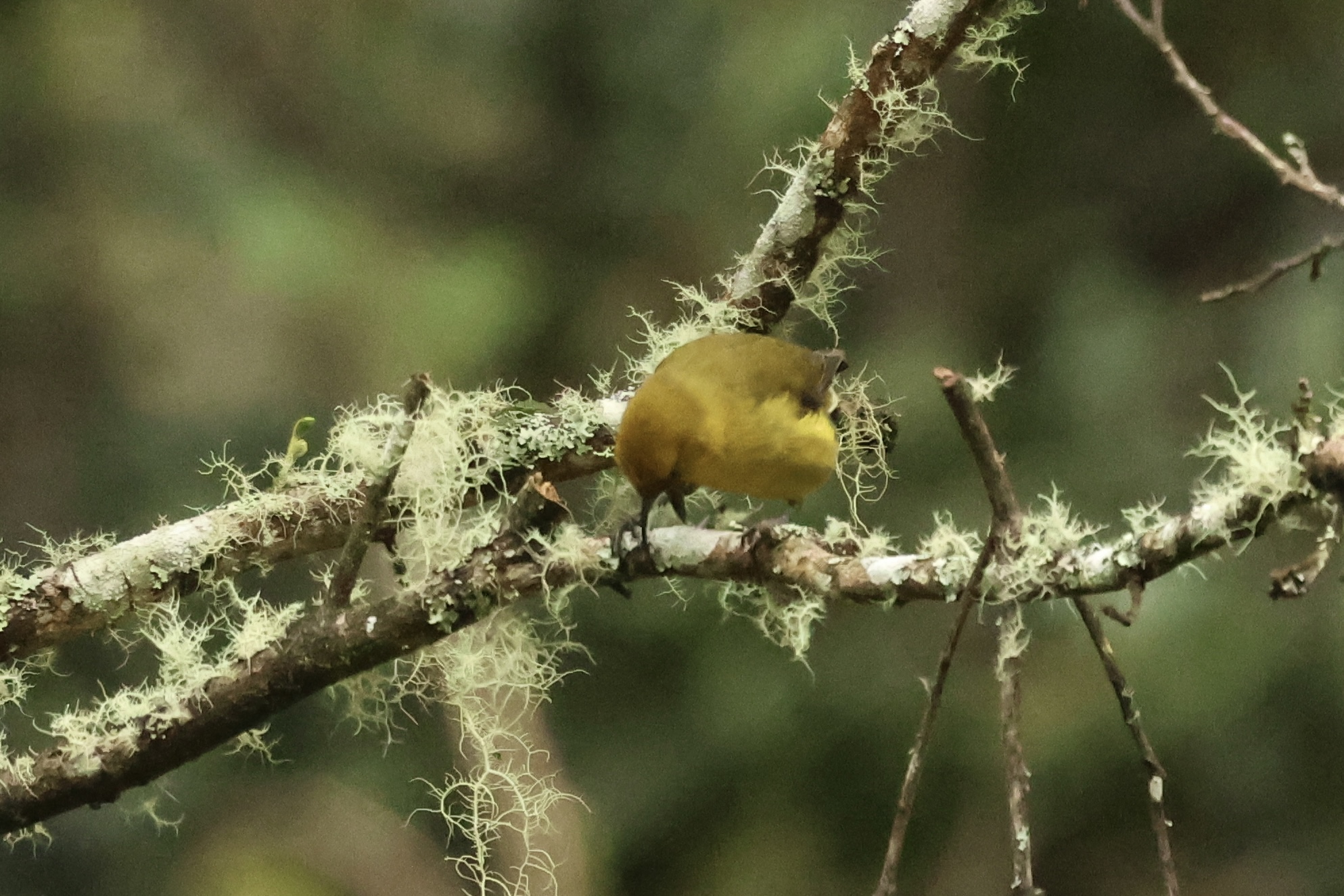
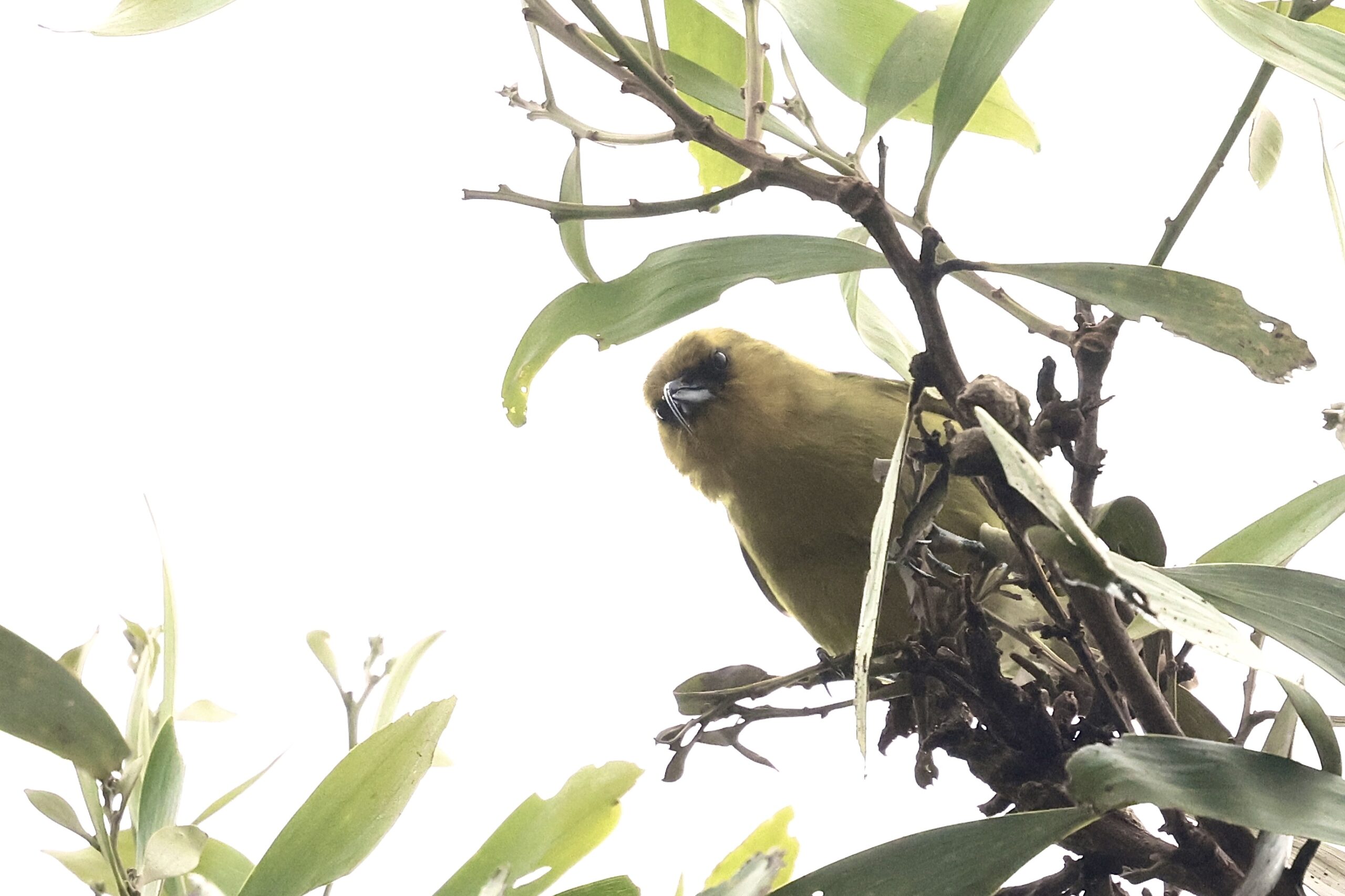
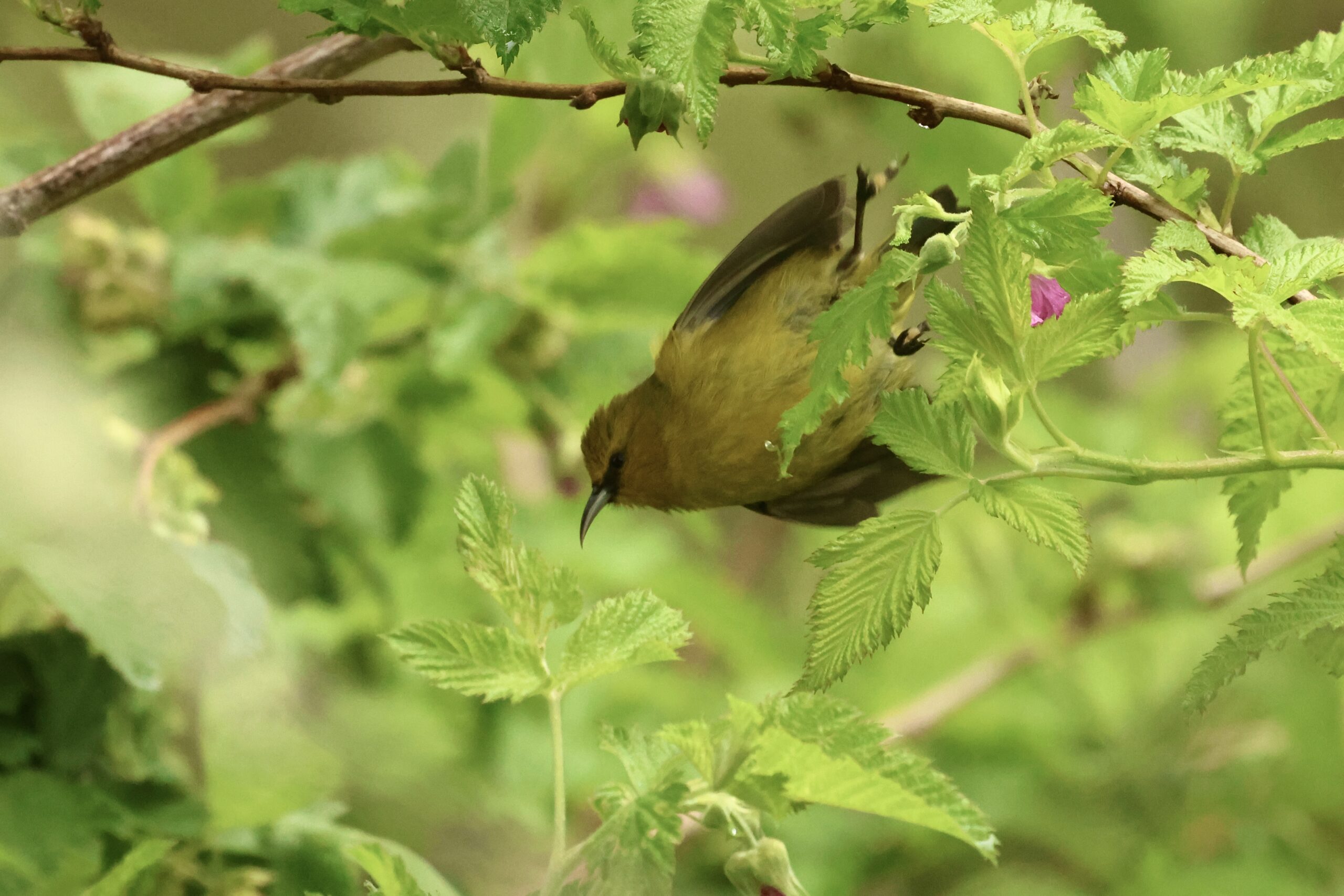
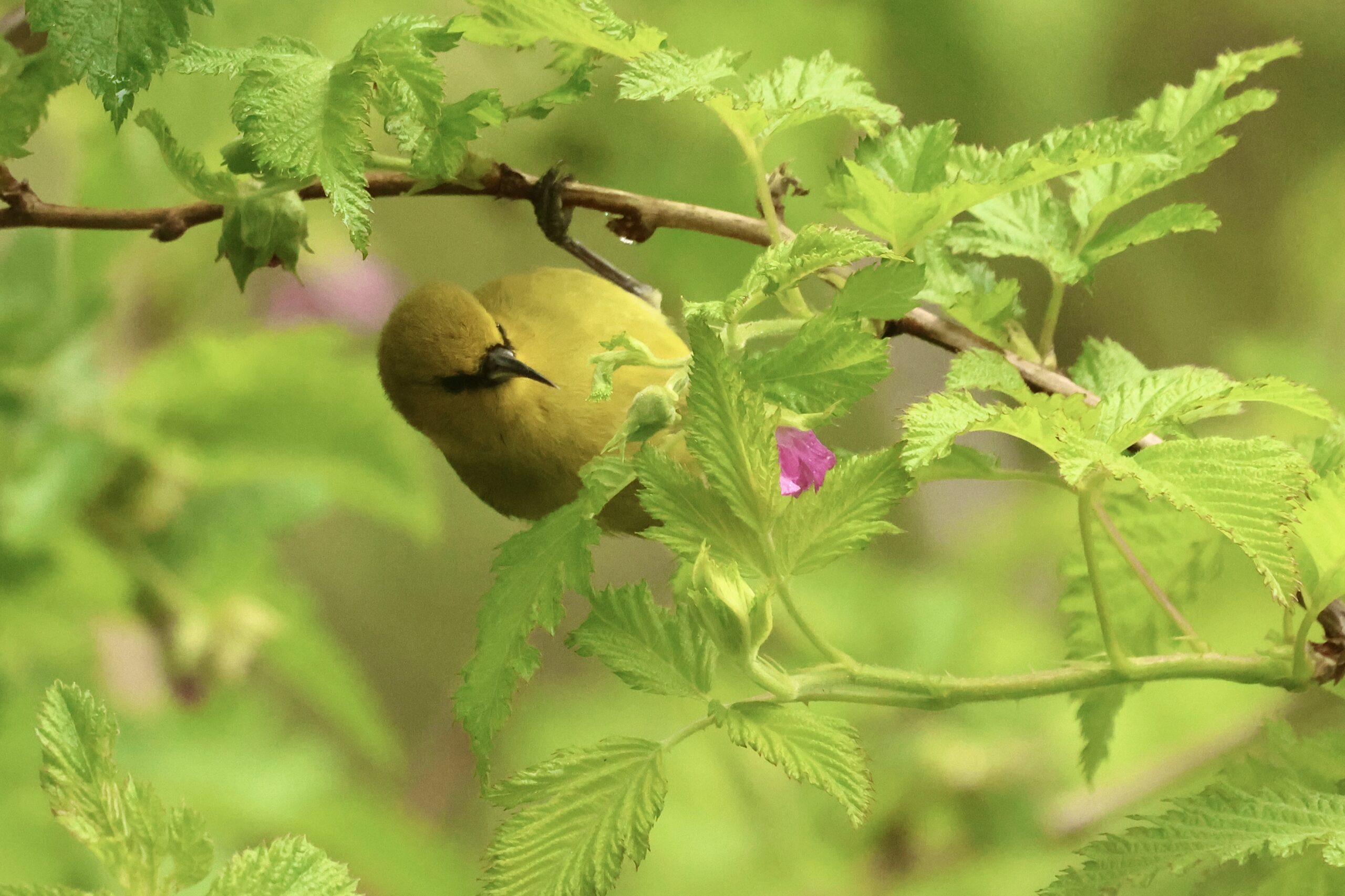
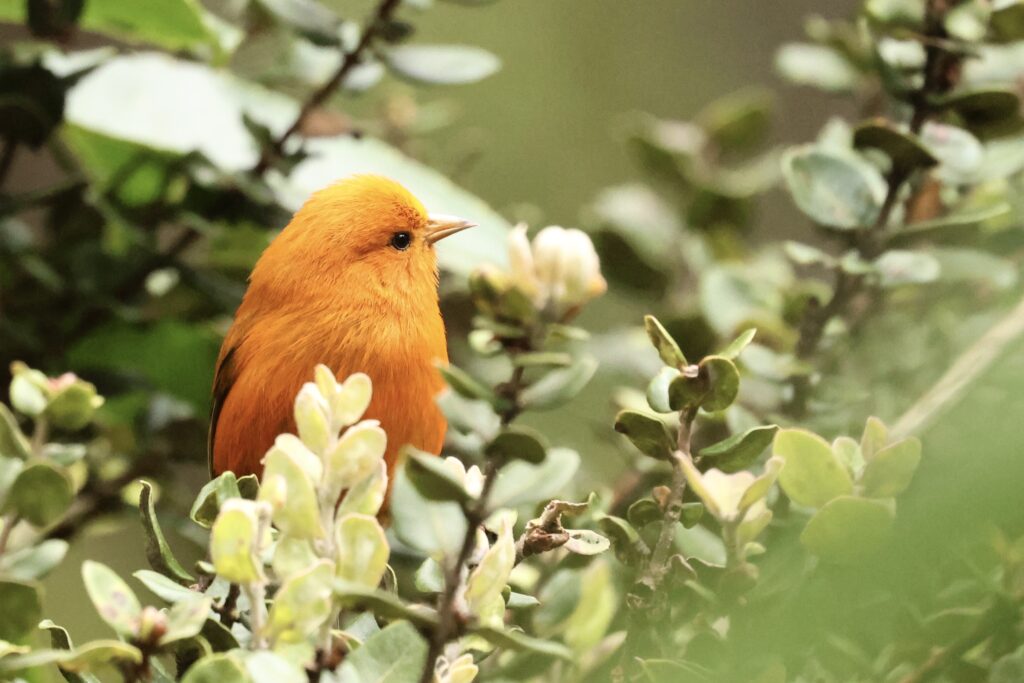
The ʻAkepa, the biggest reason every birder come here, is reliably found no where else in the world even for the most advanced birders. They are the only birds in the world other than the Crossbills that have a crossed-bill. Although not as obvious, that specialized bill helped them in getting the insect from the top of the ʻŌhiʻa trees. They are extremely sensitive to habitat change, only inhabiting the oldest, densest, and lushest native forest on the island.
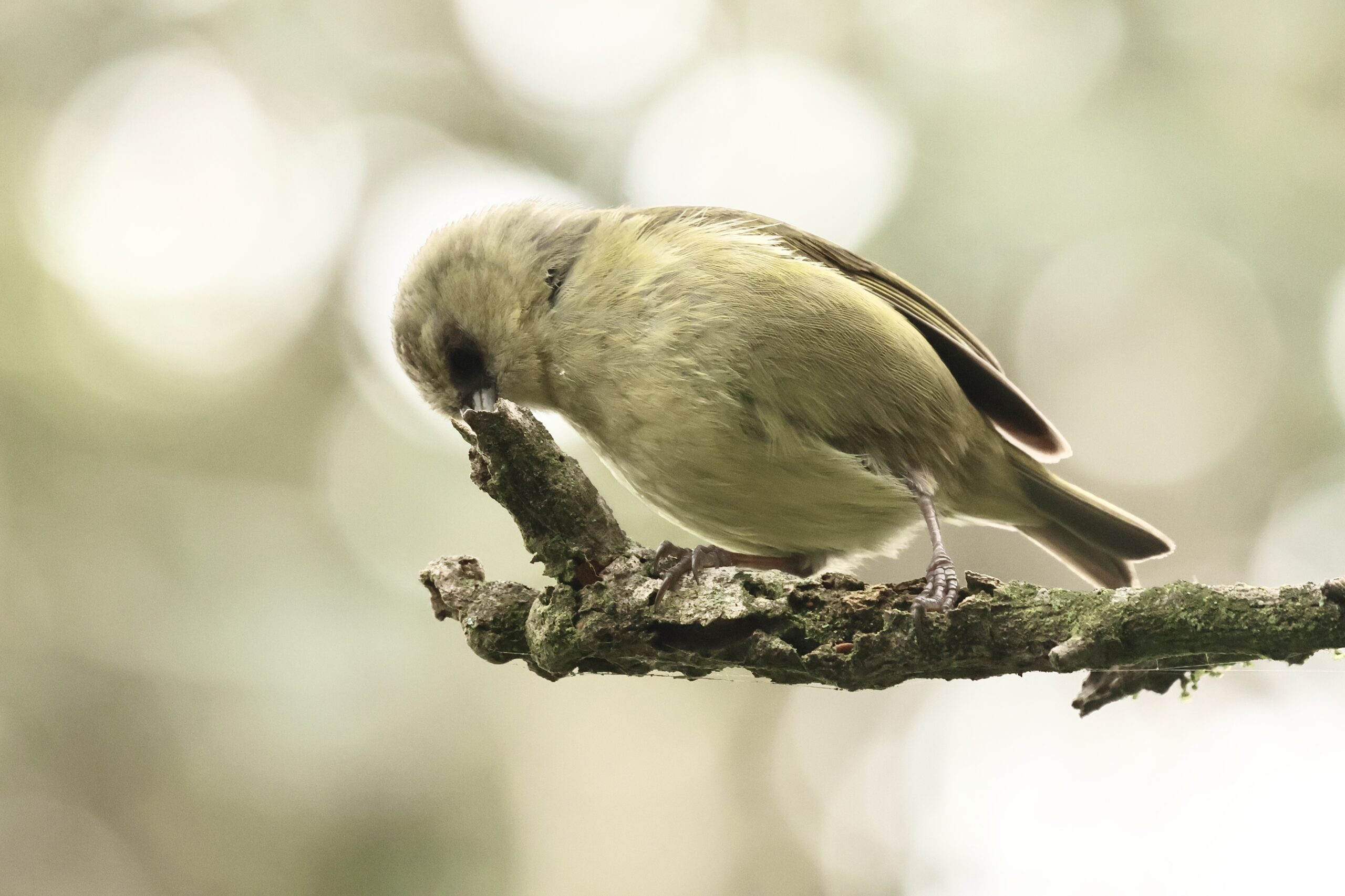
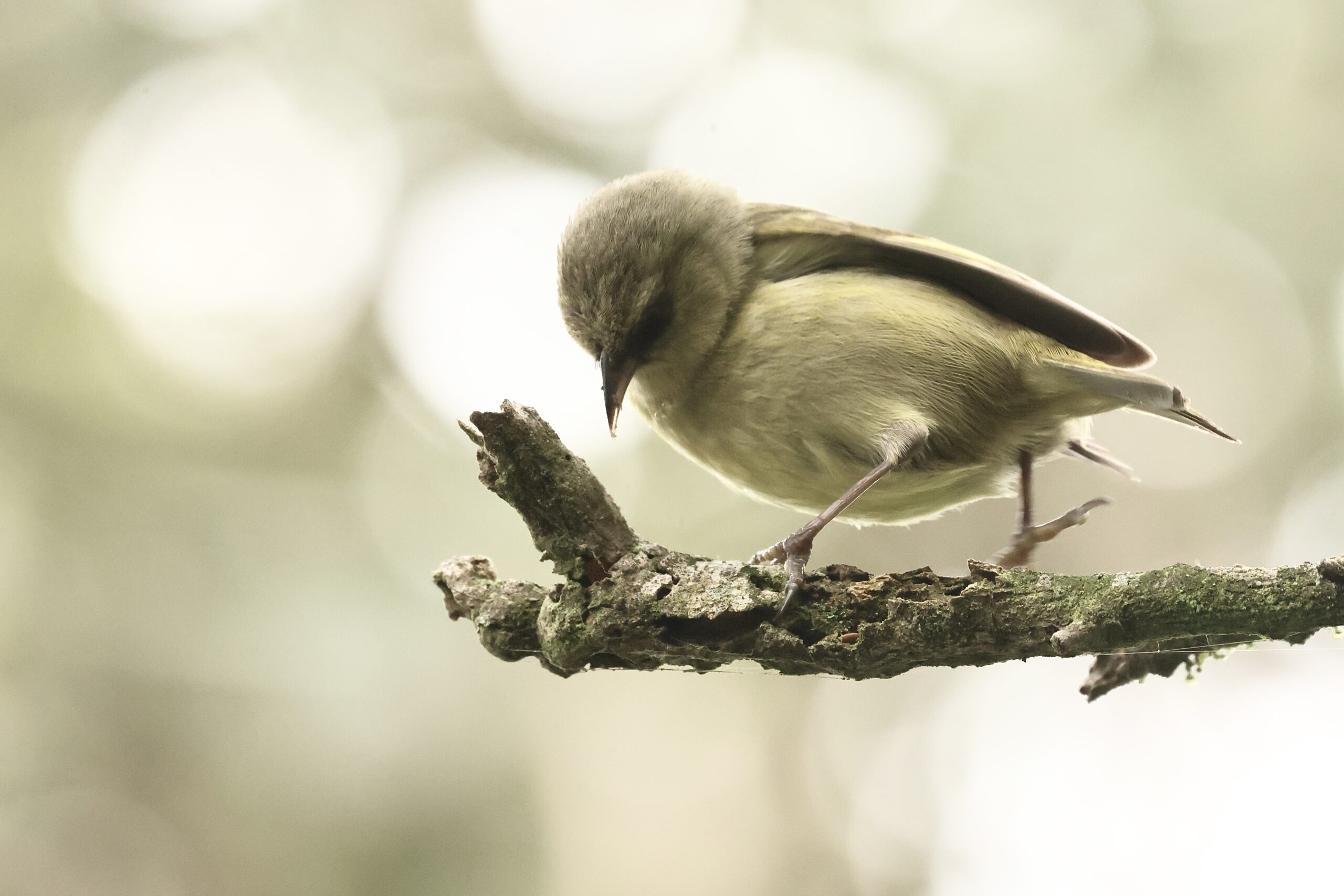
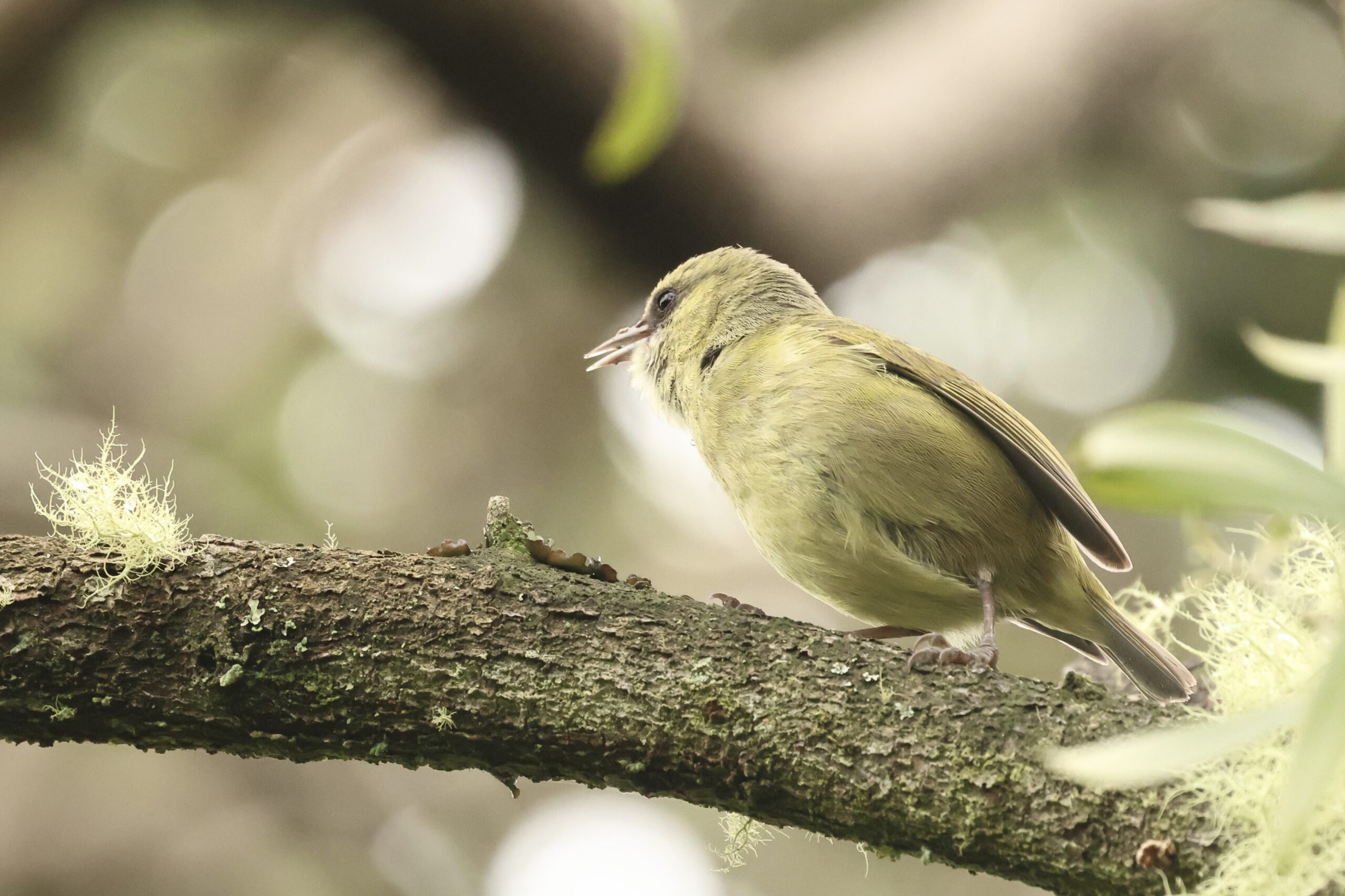
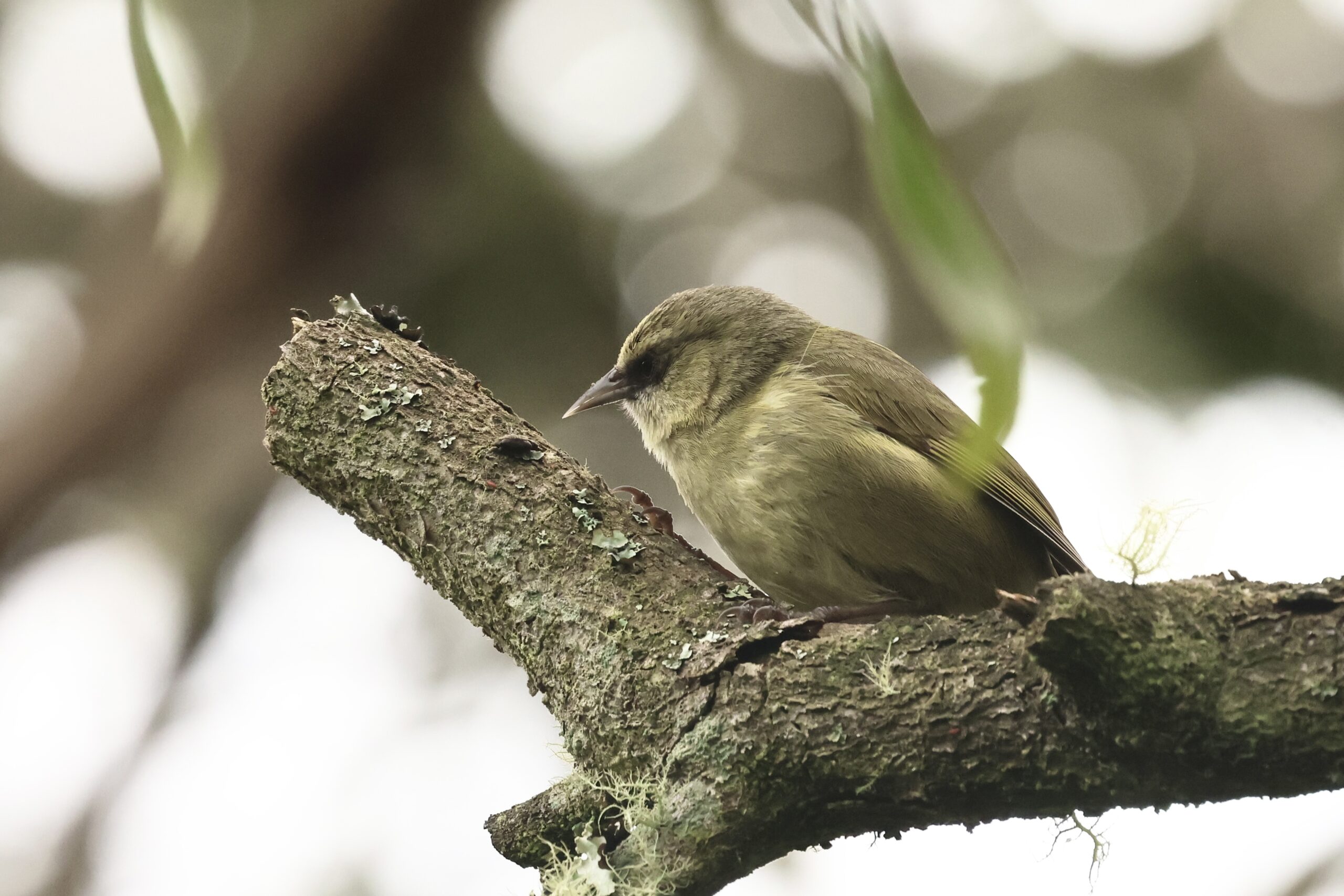
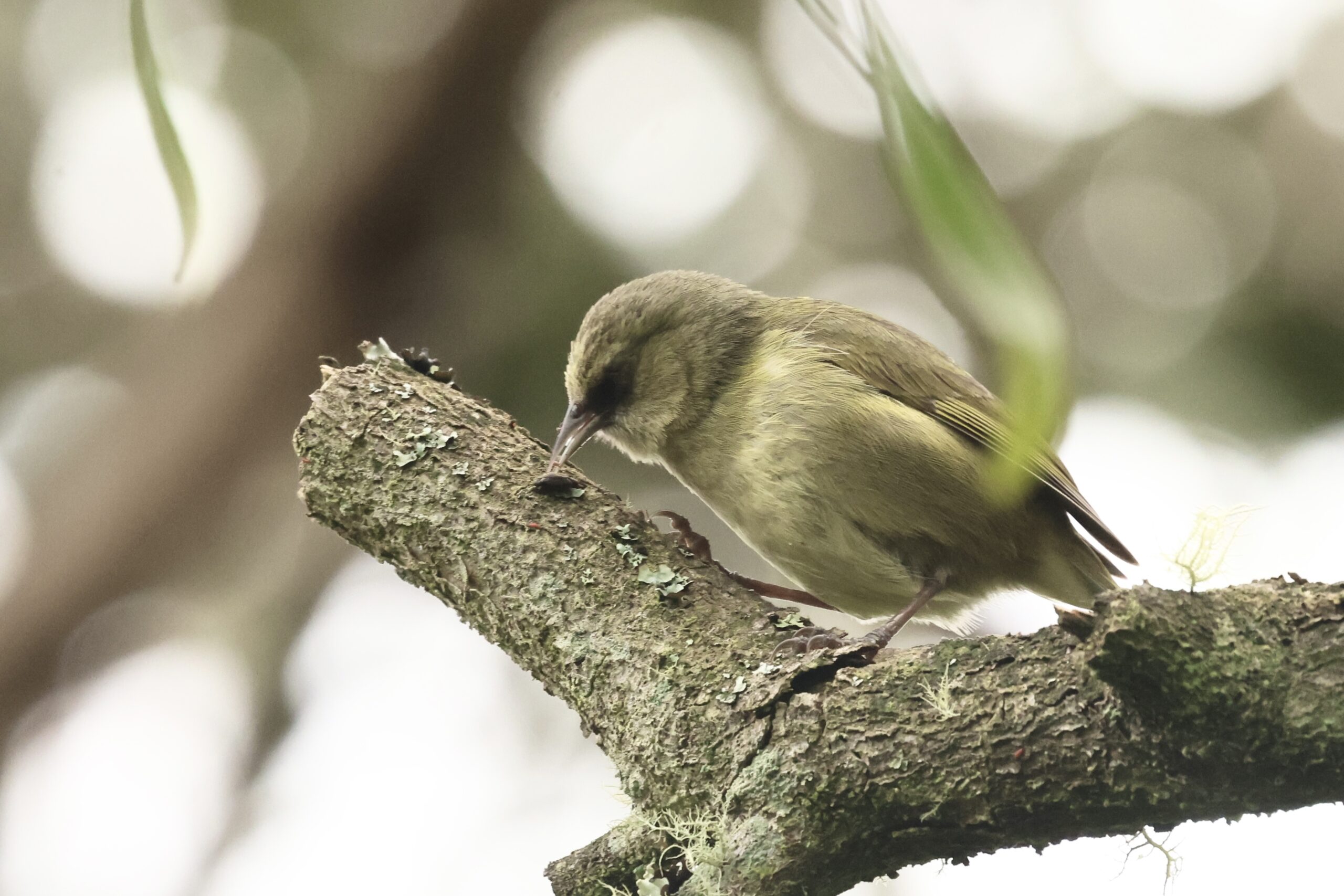
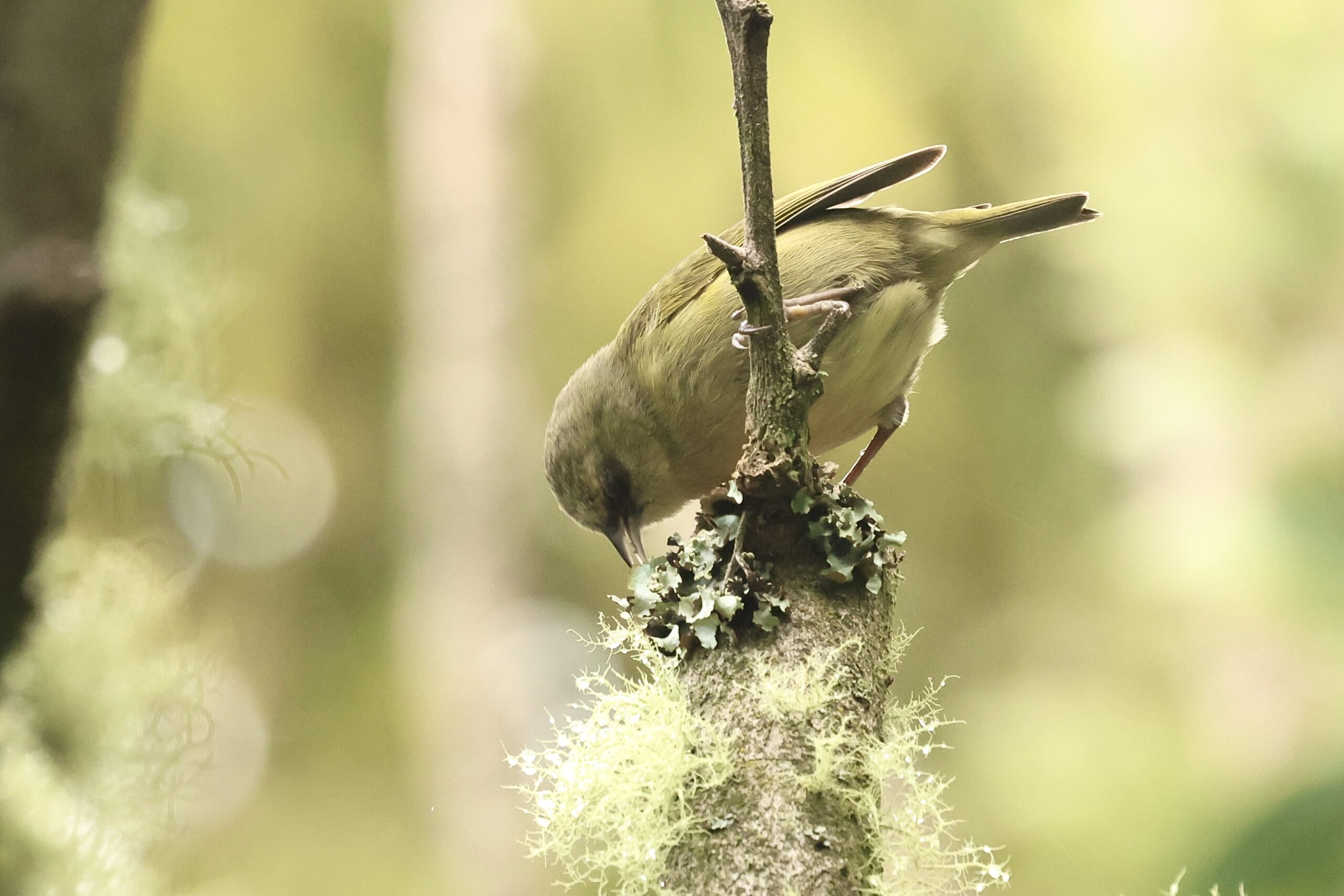
The Endangered Hawaiʻi Creeper behaves like a Brown Creeper, circling a tree to the top and dropping back down. It relies heavily on the old native tree that support lost of epiphytes, as they take insects living among the epiphytes.
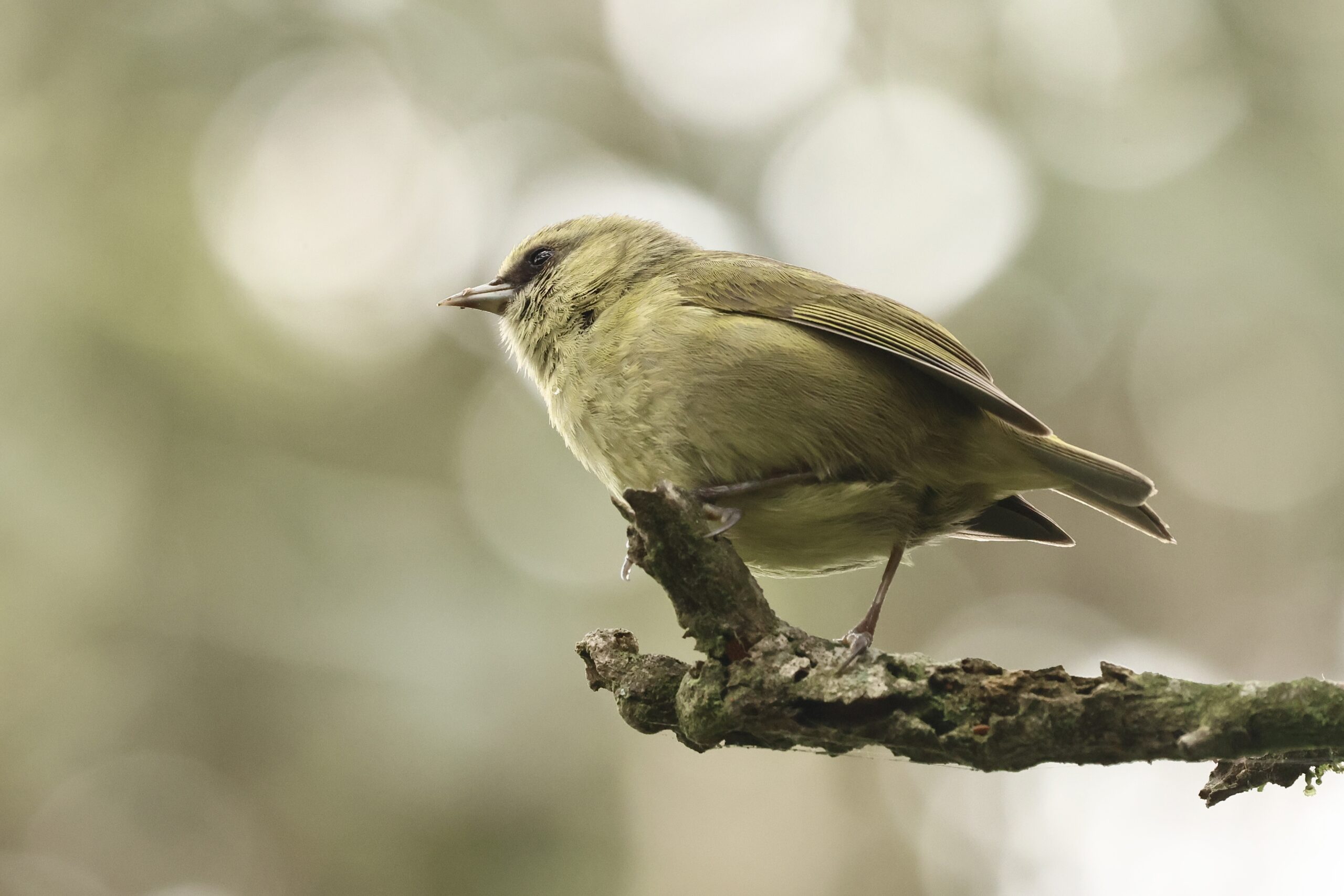
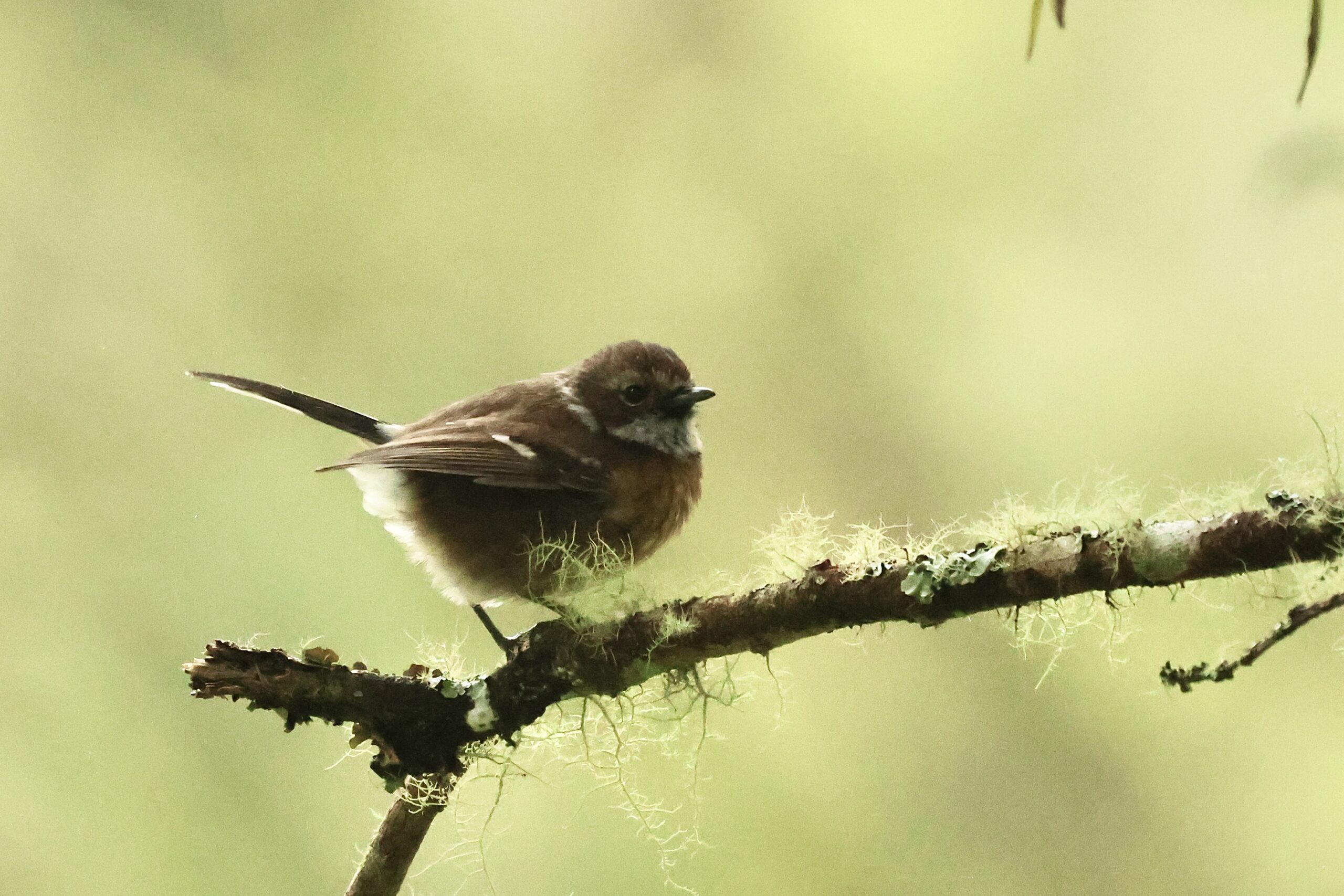
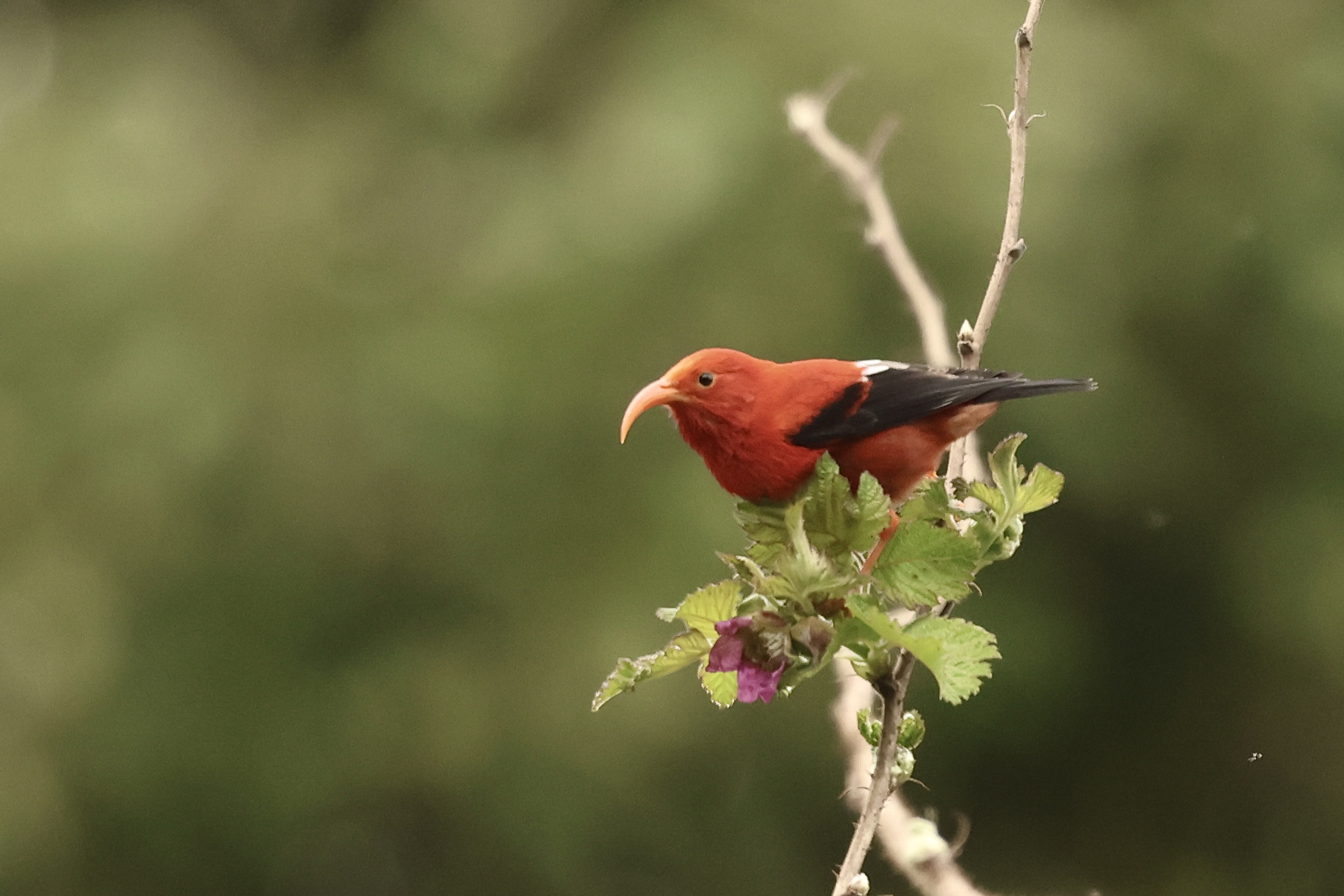
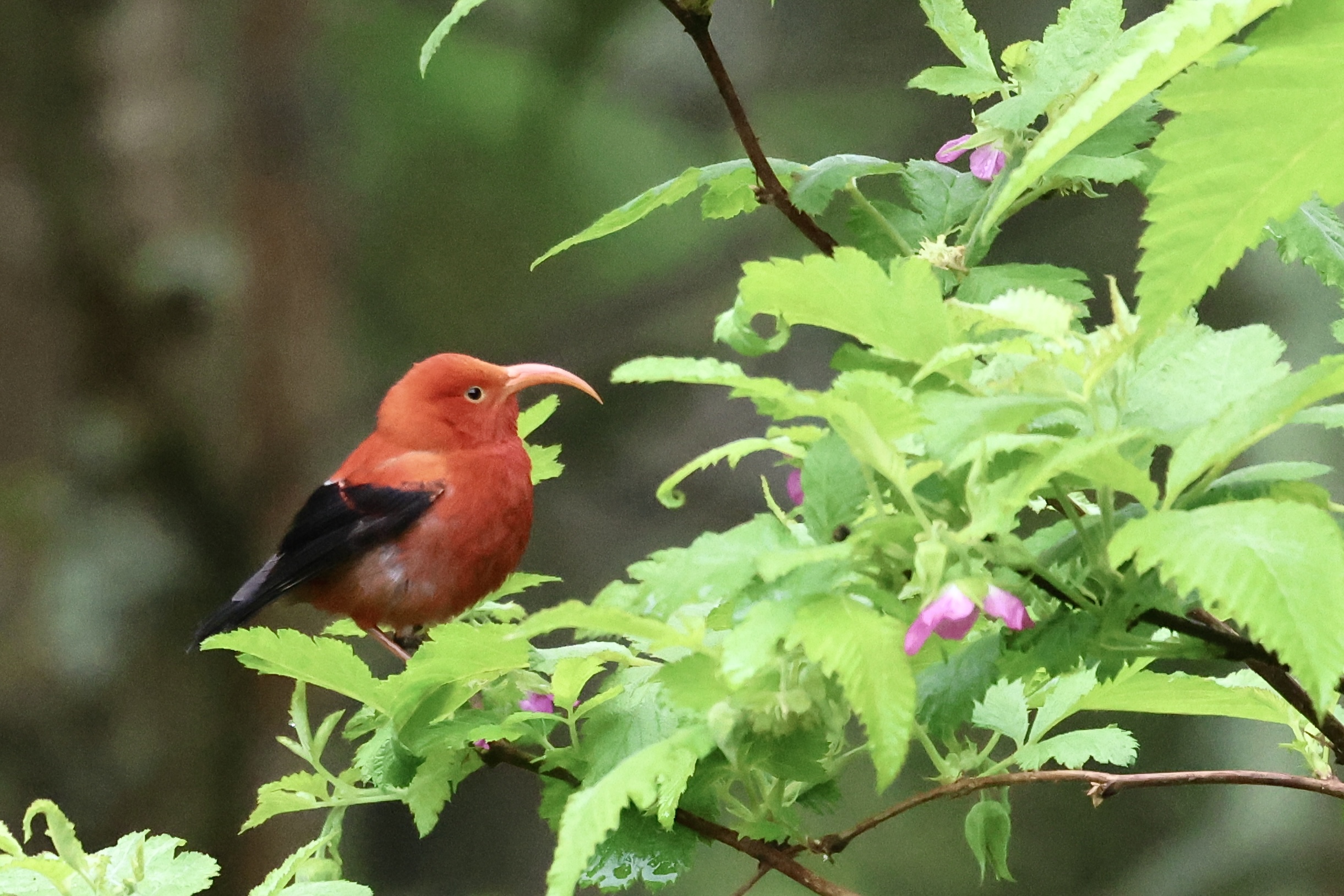
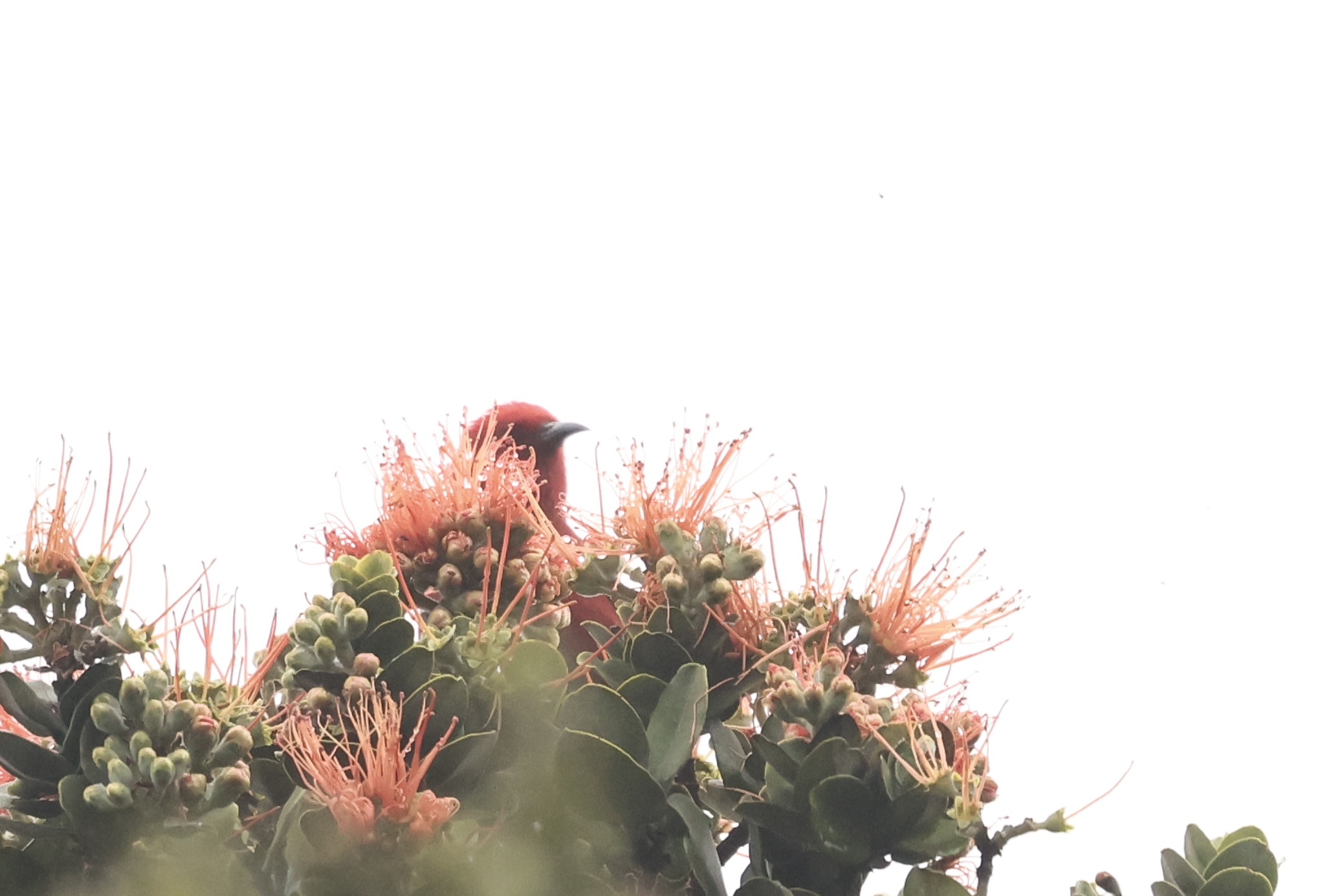
ʻApapane, ʻAmakihi, Hawaiʻi ʻElepaio, ʻIʻiwi, and ʻŌmaʻo dominate the flock, serving as the most common birds in this restored precious forest.
Upon entering the locked gate with our guide, Lance, we were be overwhelmed by the native forest. Giant Koa and ʻŌhiʻa trees were everywhere, covering the skyline; native blueberries, raspberries, and mints covered the ground; and native epiphytes covered every branch. ʻApapane and ʻAmakihi called from every corner, covering the soundscape; and the Hawaiʻi ʻElepaio, ʻIʻiwi, and ʻŌmaʻo joined every once a while.
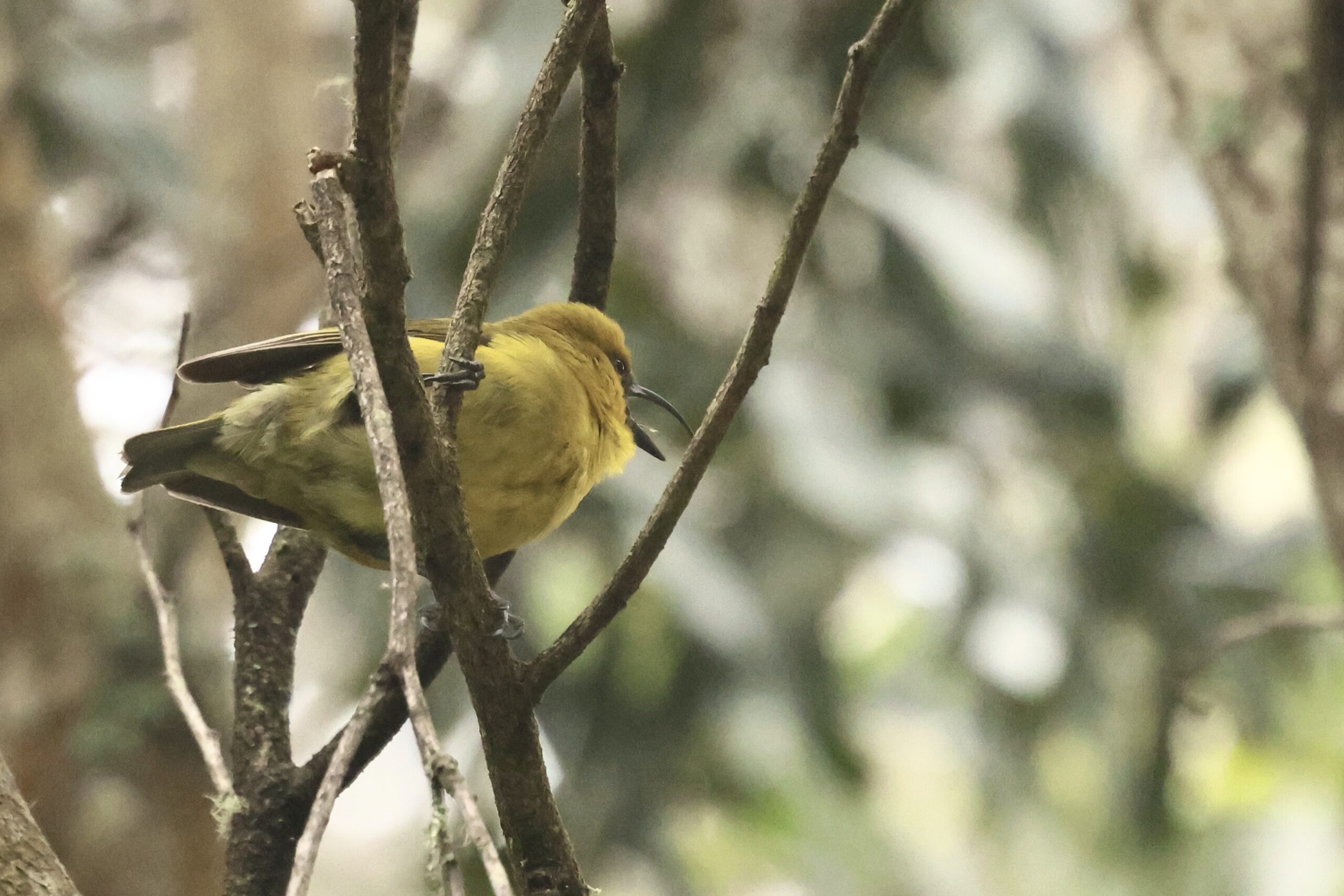
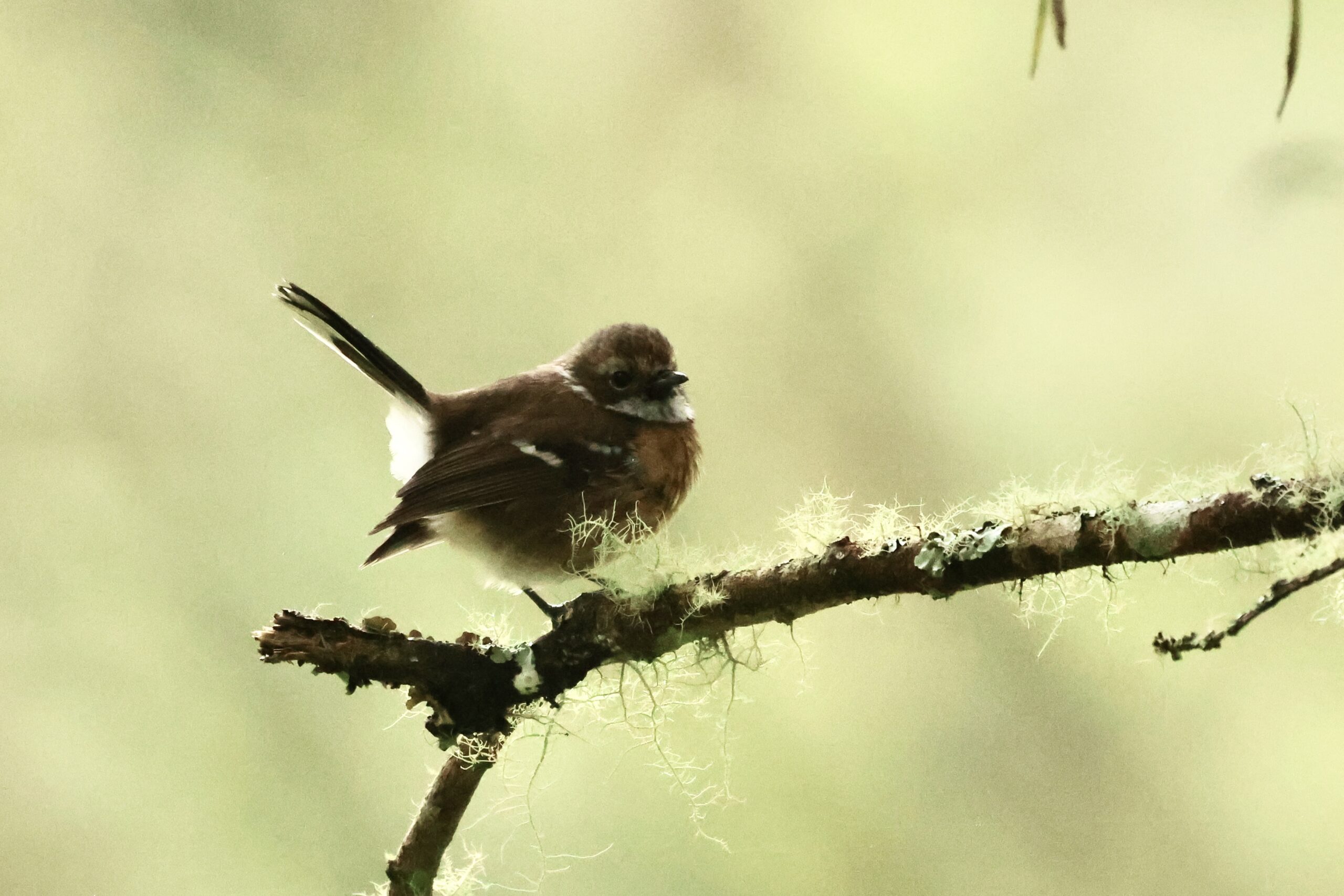
Soon after entering, our guide Lance, the expert at sound ID, quickly detected the song of an Aki. We looked up towards the tree, but it took off before coming into view. After several more uncooperative Aki, we finally got our first Hawaiʻi Creeper. It was a displaying male, singing its descending trill while shaking its wing. As it got more and more excited, it hoped onto a bare branch, giving me excellent photo opportunity.
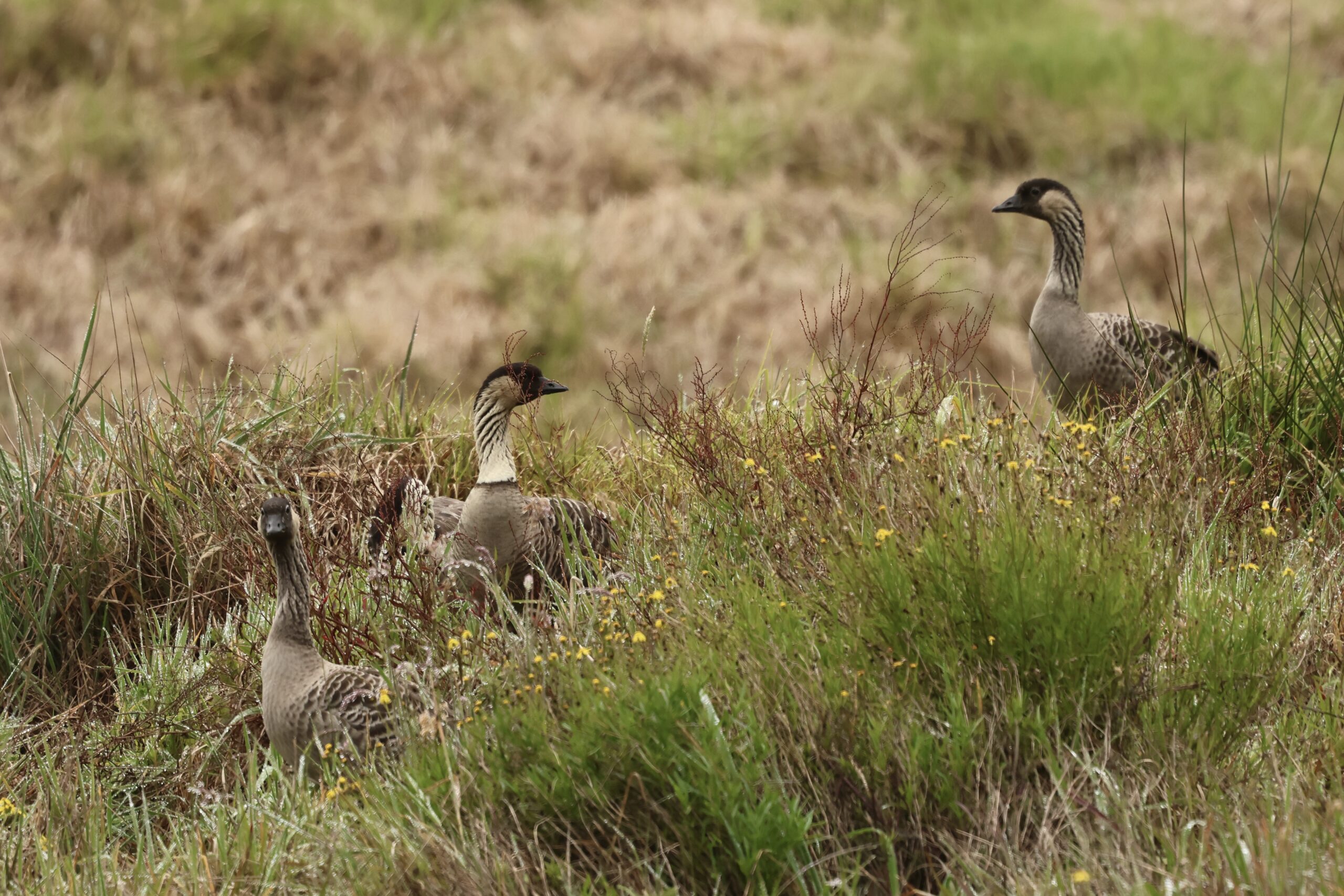
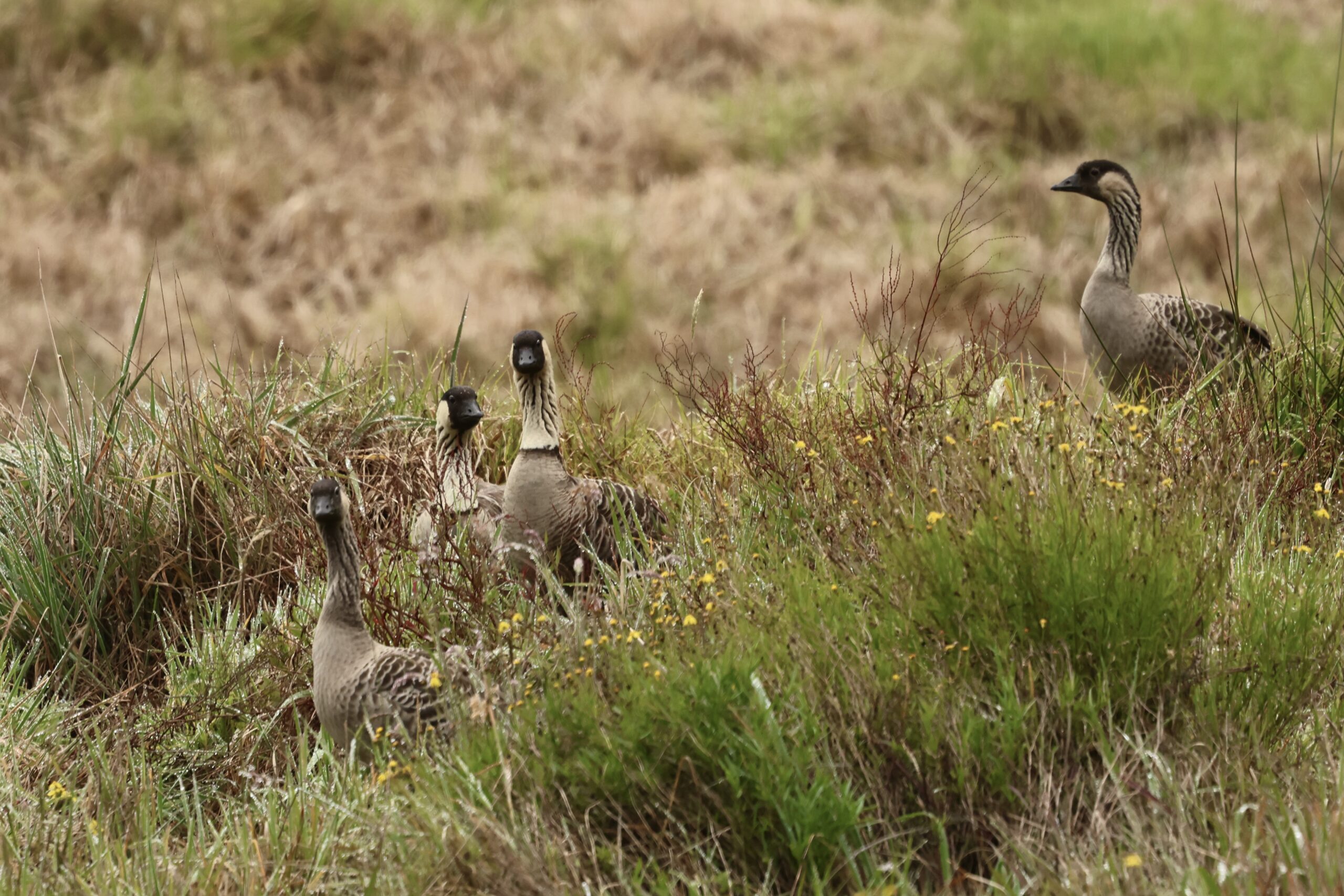
After it disappeared into the deep forest, we continued our trip on the tract, we soon got our lifer nēnē (Hawaiian Goose) and entered the oldest portion of the NWR.
In this section our main target switched to the ʻAkepa, found only in those old trees. We quickly found a few of them, but all were too hidden for photography.
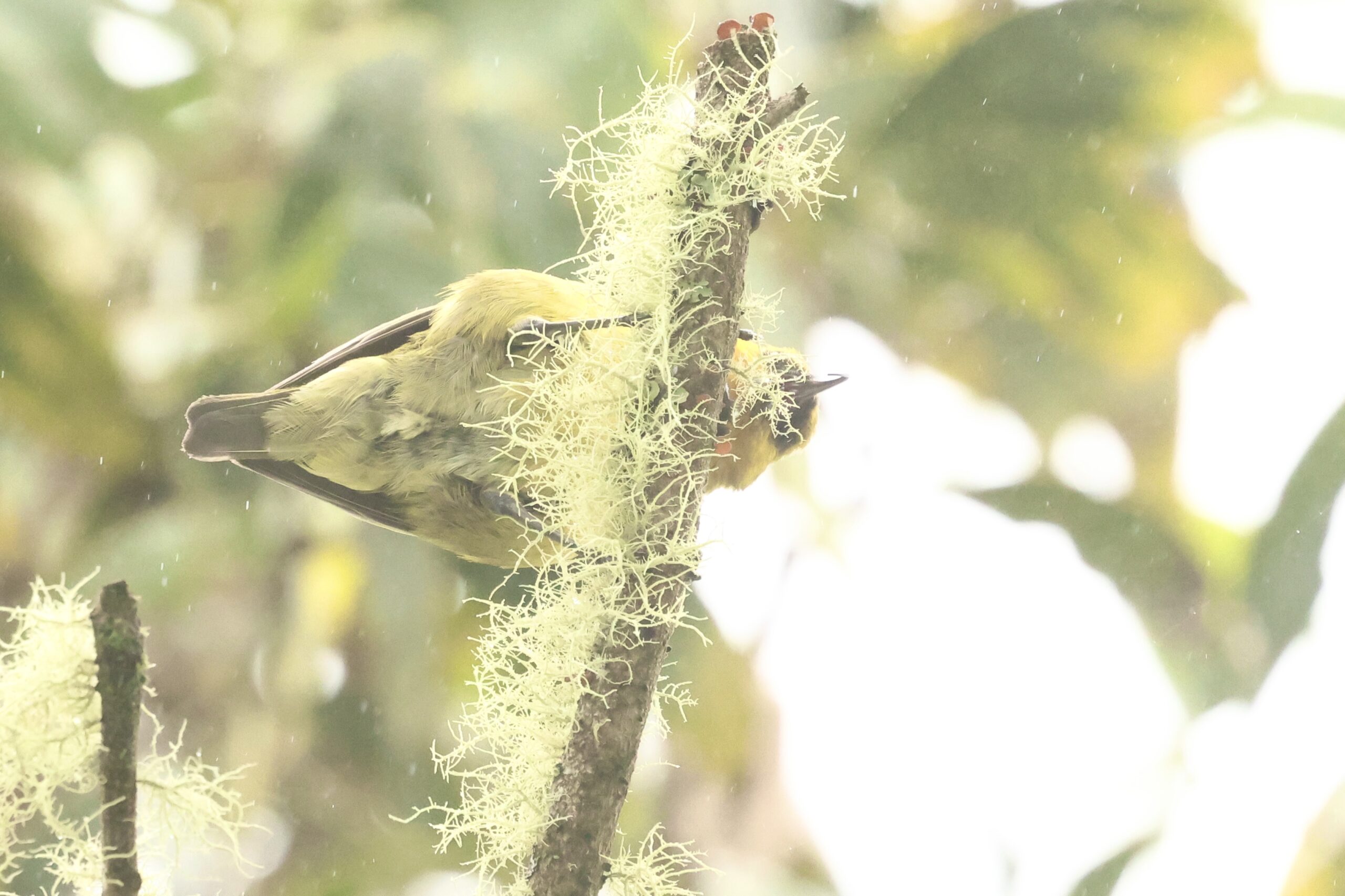
Our luck changed at lunch, an adult male Aki and ʻAkepa jumped simultaneously right in to the nearest bush on the road side, giving the most amazing sight ever. The stunning orange glow from the ʻAkepa fluttered on the bush, darting back and forth between leafs. The bird did not move out for a long time, foraging happily on the bush, making all in the group happy too. Once we started lunch, the forest putted on the most exciting show ever. Flocks of ʻAkepas started aerial display right above us and delightful trills filled the atmosphere. ʻAkepas had filled the entire forest!!! There were ʻAkepas of all age and plumages on every tree, foraging and displaying. Stunning males were singing from every corner, fluttering birds flew out every once a while, and birds even came to the tree right next to us!
Even though the ʻAkepa show made the most amazing moments of the trip, we had to continue on our trip. We still had not seen an ʻŌmaʻo yet!
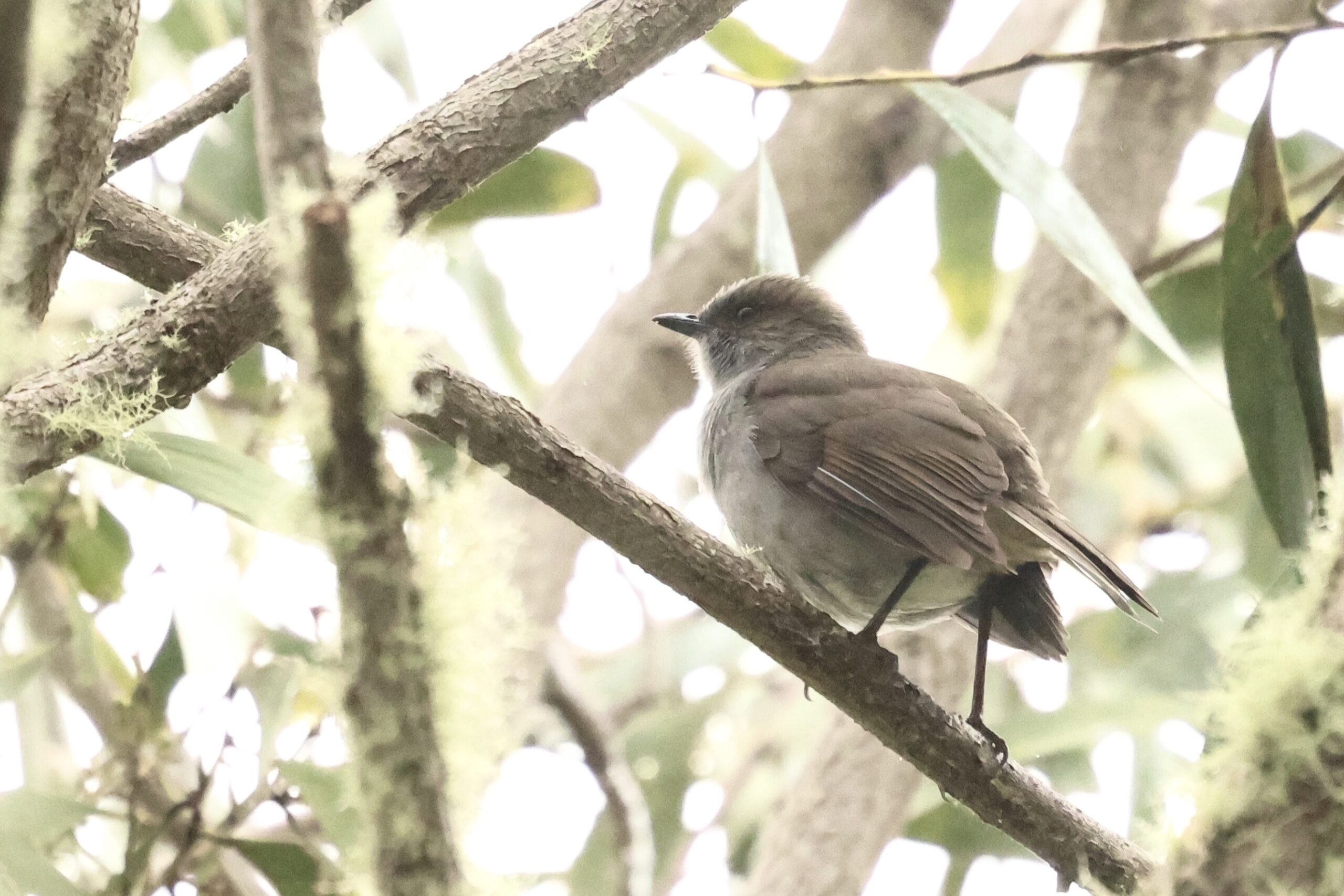
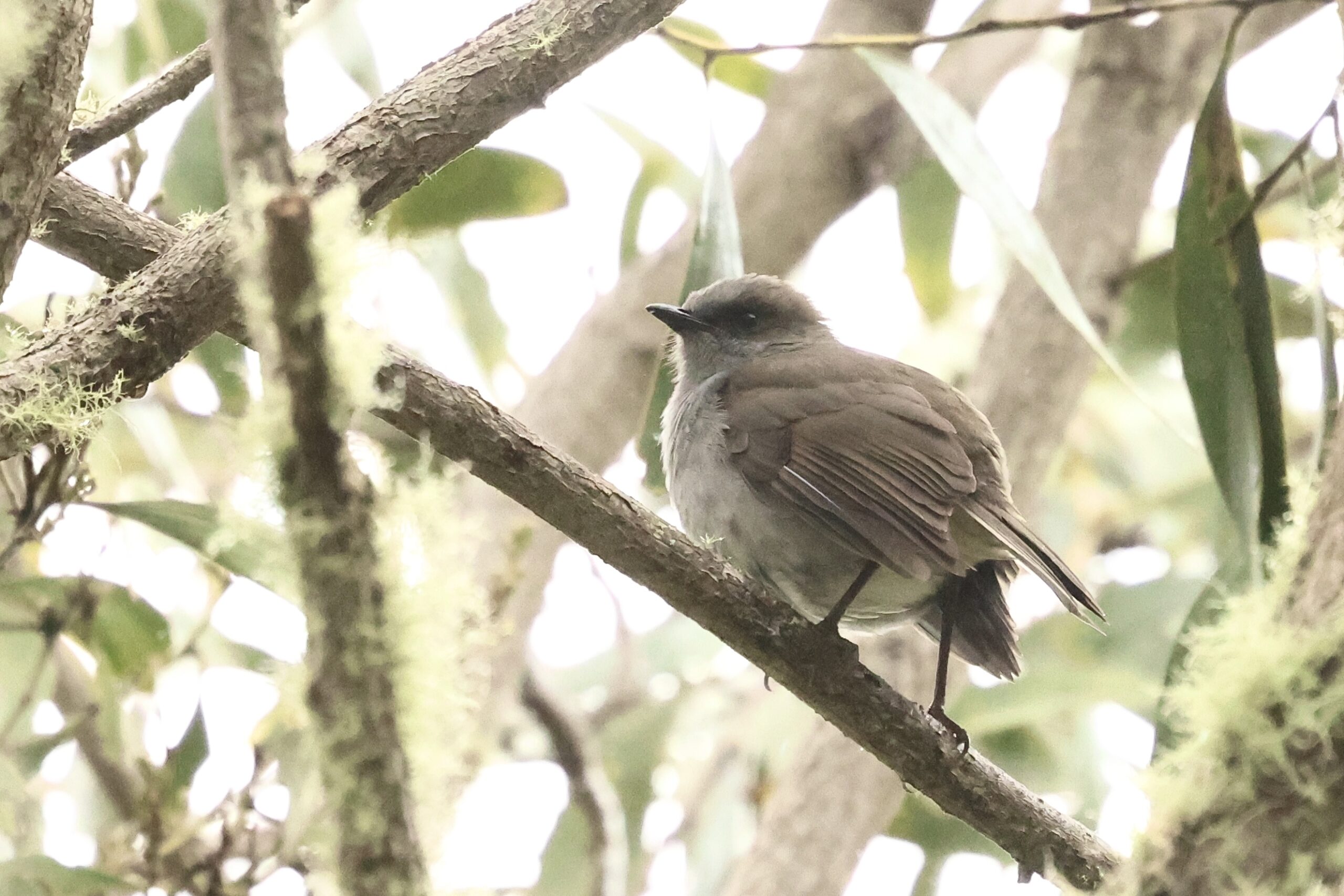
We checked all the spots for ʻŌmaʻo but none appeared, it really was that “the more you want to see something, the harder it is to do so”. Finally, we got to the edge of the oldest part, still no ʻŌmaʻo. The guide said we can still check a spot tomorrow for it, meaning we will probably not see it today. Just as we were about to give up, with our car in sight, we heard the distinctive song of an ʻŌmaʻo! After searching a while we finally saw the ʻŌmaʻo perched on a branch, in the classic thrush posture.
After this trip, the only Hawaiʻi endemic we still need became the Hawaiian Hawk. The Hawaiian Hawks only come out to soar on sunny days where there are thermals. Our guide Lance recommended us to go to Pololu Valley to see if it is sunny over there. Unfortunately, it is also cold and cloudy at Pololu Valley. This means the next day’s two and a half hour drive through to Hawaiʻi Volcanos National Park would be our only chance.
Even though we missed the Hawaiian Hawk, it is one of the best day of the trip. With the unbelievable ʻAkepa show and Native Forest, this has become one of the most exciting day of the trip.