
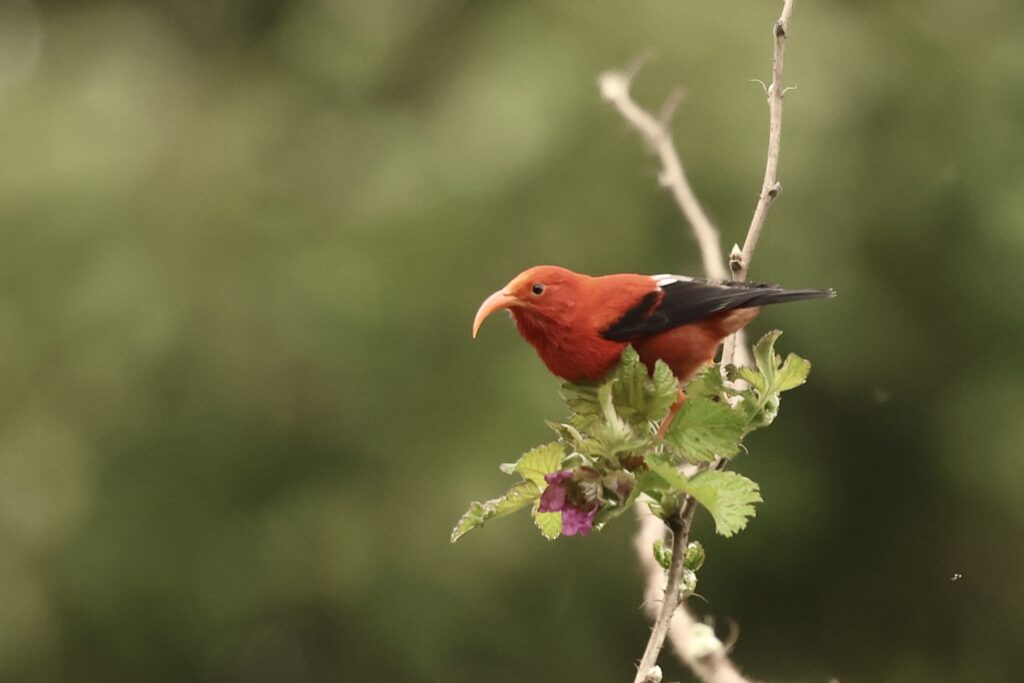
In this trip, we focused entirely on the native Hawaiian birds to get them before they go extinct (hopefully we can stop their decline). There are also a lot of non-native birds on the islands, but in this trip, we did not pay attention to any of them. So, this guide is also only for the native birds.
Oʻahu
- Waikiki neighborhood and urban parks (Fort Derussy Beach Park, Kapiolani Park, Kuhio Beach Park, etc.)
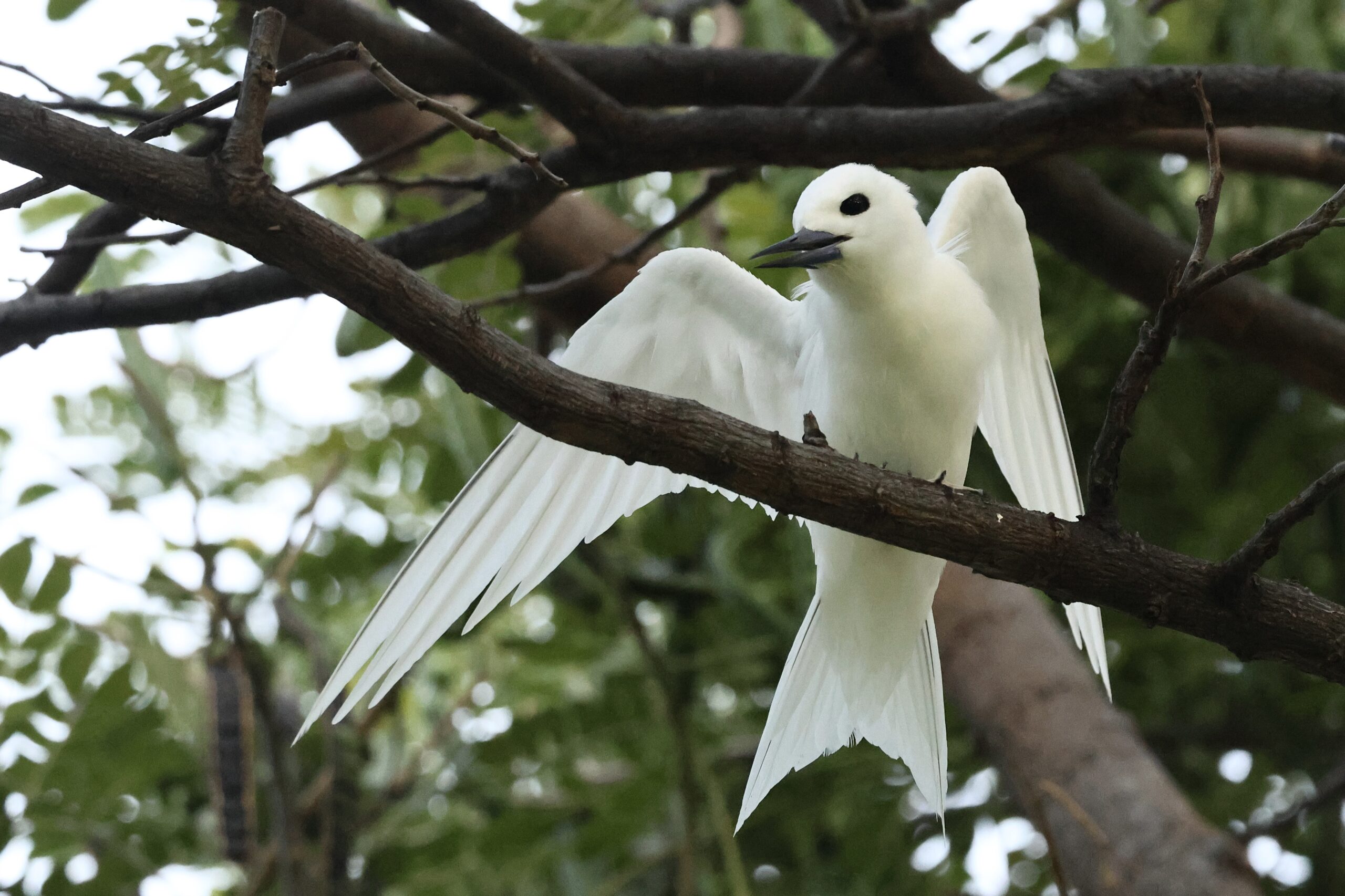
- Look for Blue-billed White-Terns. They are everywhere; no one can miss them!
- Makapu’u Beach Park, Makapu’u Point, and Ka Iwa State Scenic Shoreline
- Sooty Tern: nesting on Manana Island offshore in some years (not this year). If they are not nesting the year you visit or you are visiting non-breeding seasons, don’t go here; it is super windy.
- Japanese Fishing Shrine, Lana’i Lookout
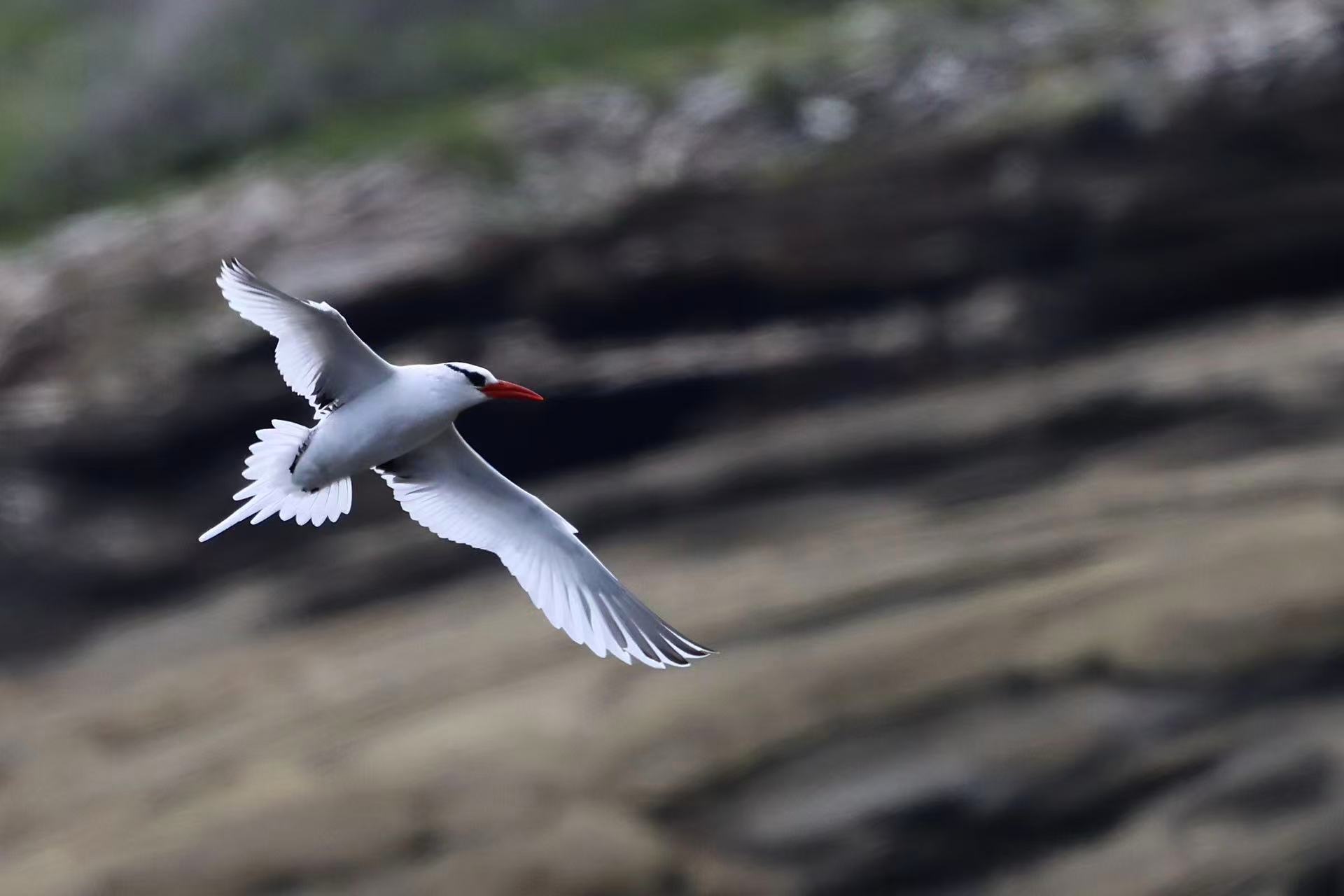
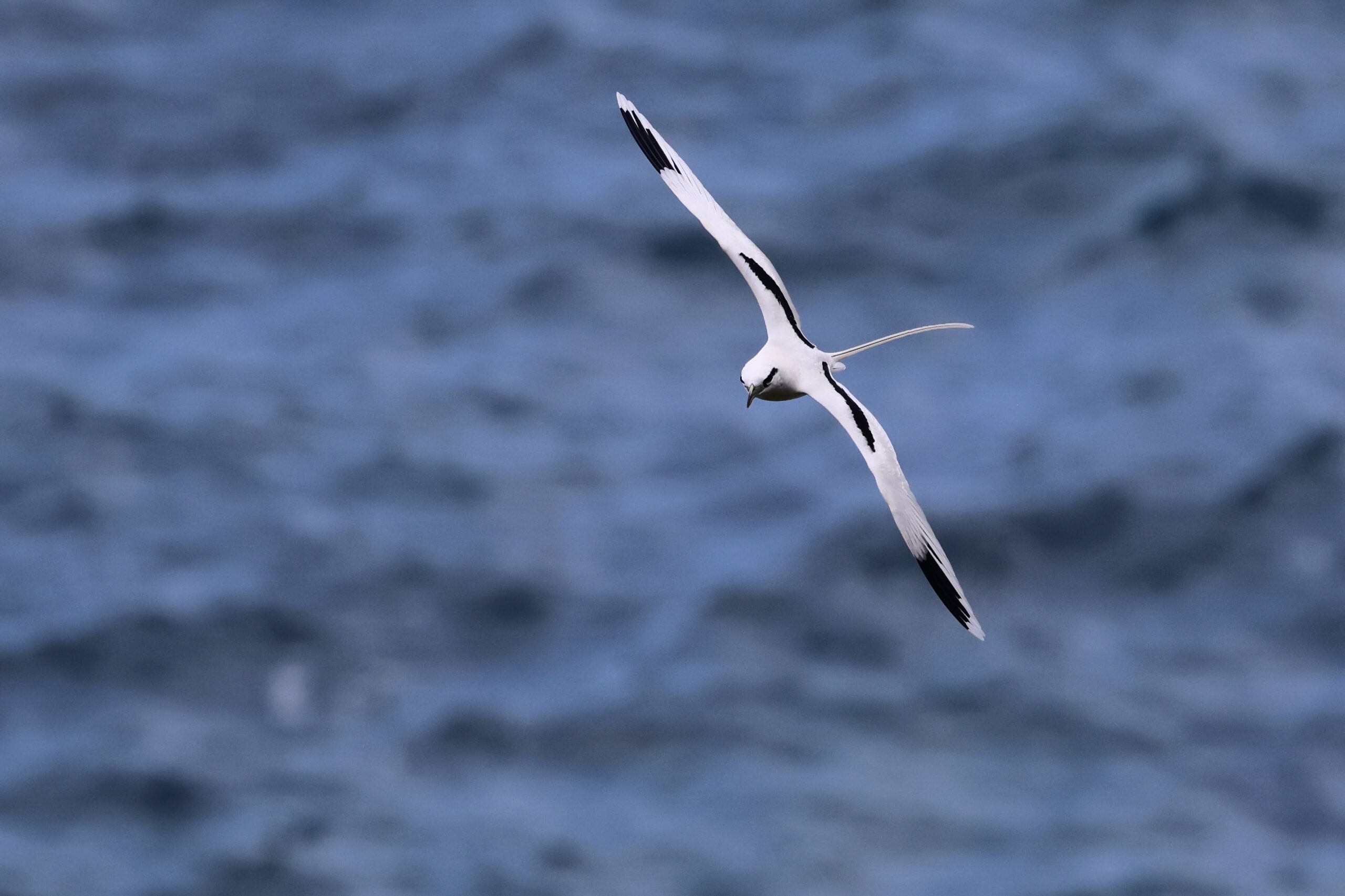
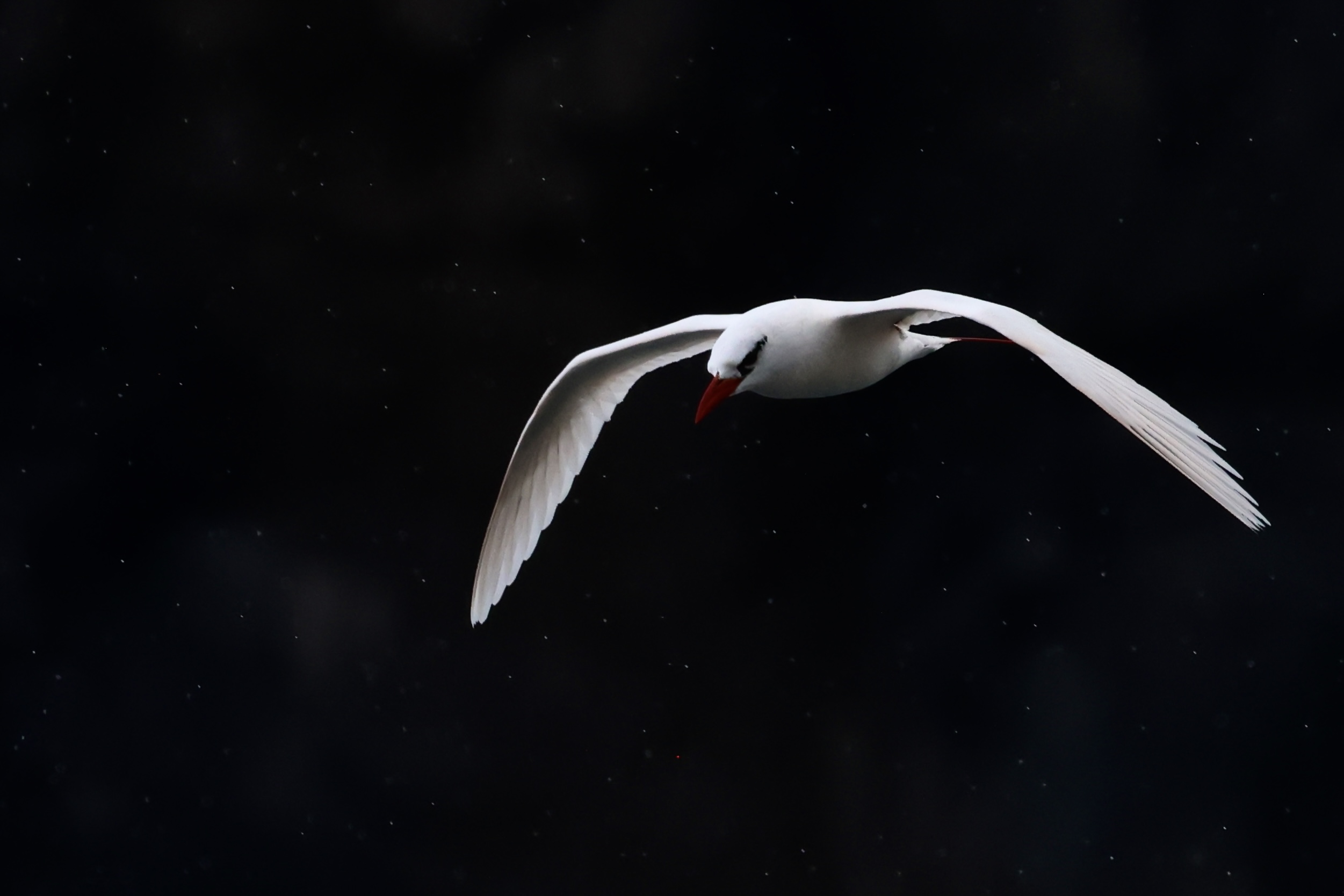
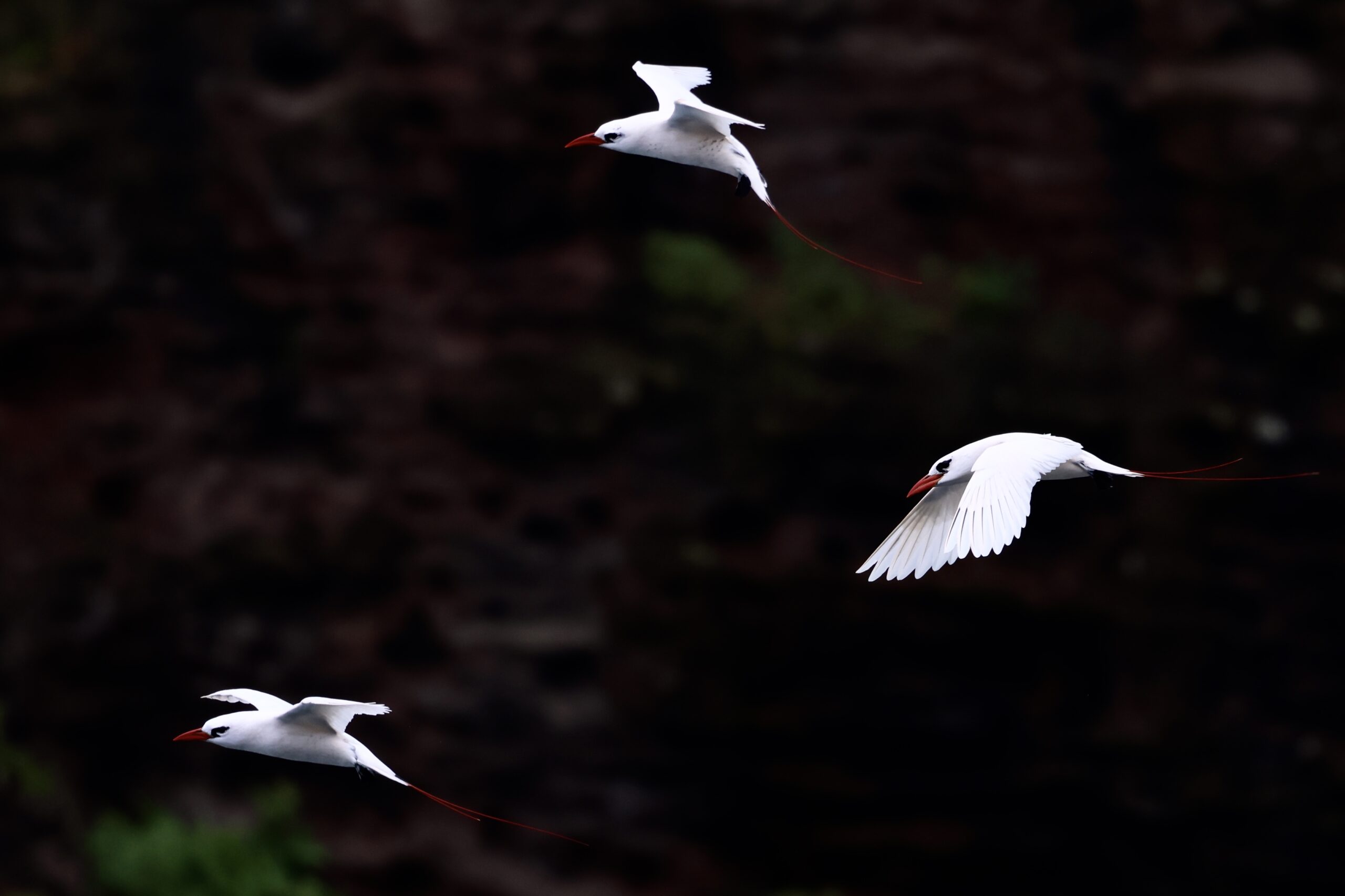
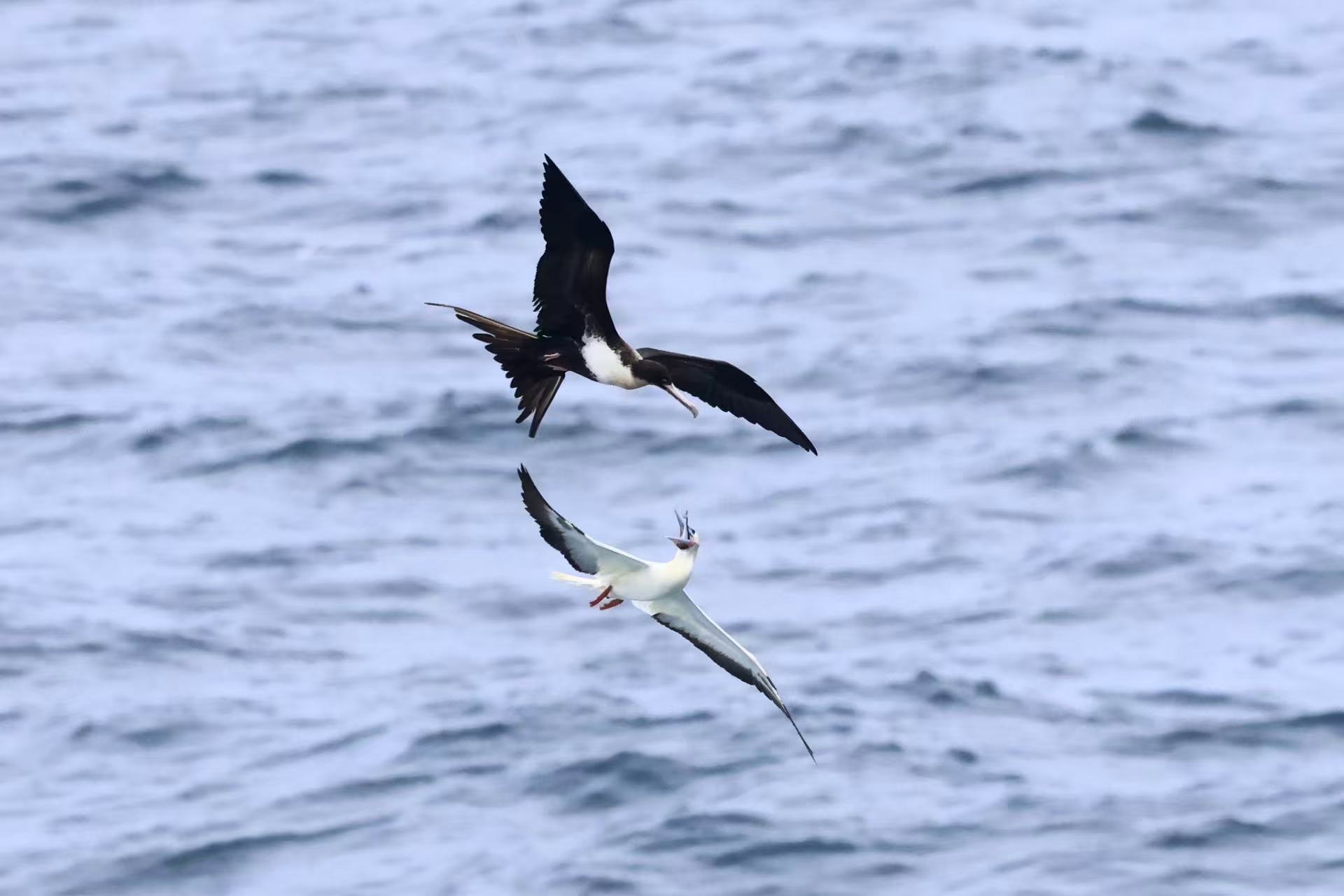
- Look for Red-billed Tropicbirds (if continuing), Red-tailed Tropicbirds (very, very common), and Brown Booby (common fly by) at Japanese Fishing Shrine, Lanai Lookout, or any pullout in between. Be aware that the traffic is very fast and you need to be ready to turn into the parking lots or pullouts.
- The parking lots for the Japanese Fishing Shrine and Lana’i Lookout are usually very full, especially the Japanese Fishing Shrine.
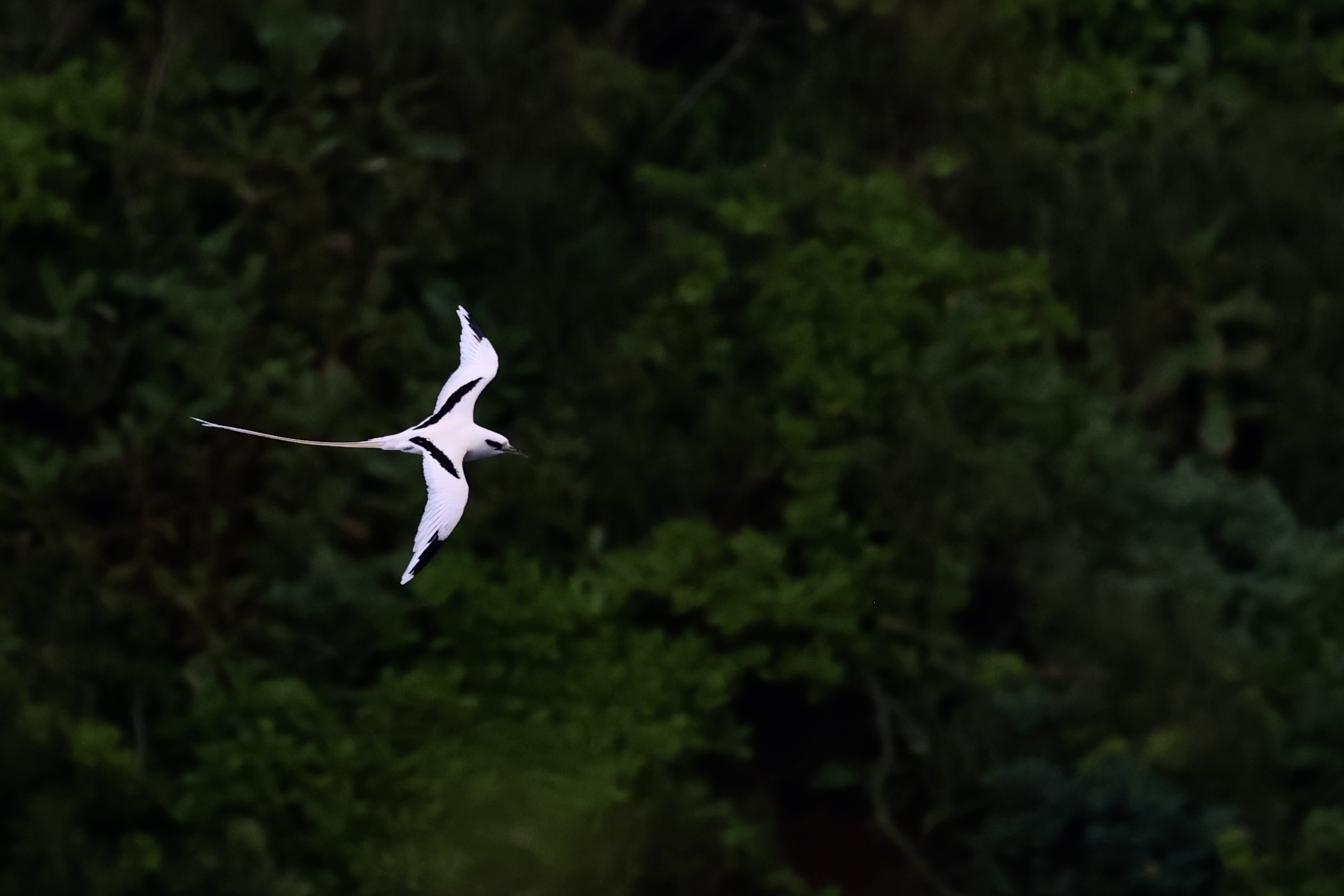
- When looking for the Red-billed Tropicbirds, look for “white-tailed black-winged tropicbirds” flying with Red-tailed Tropicbirds.
- ʻAiea Loop Trail in Keaīwa Heiau SP
- You do not need to do the whole loop; it’s best to start from the upper parking lot and turn back at the highway lookout.
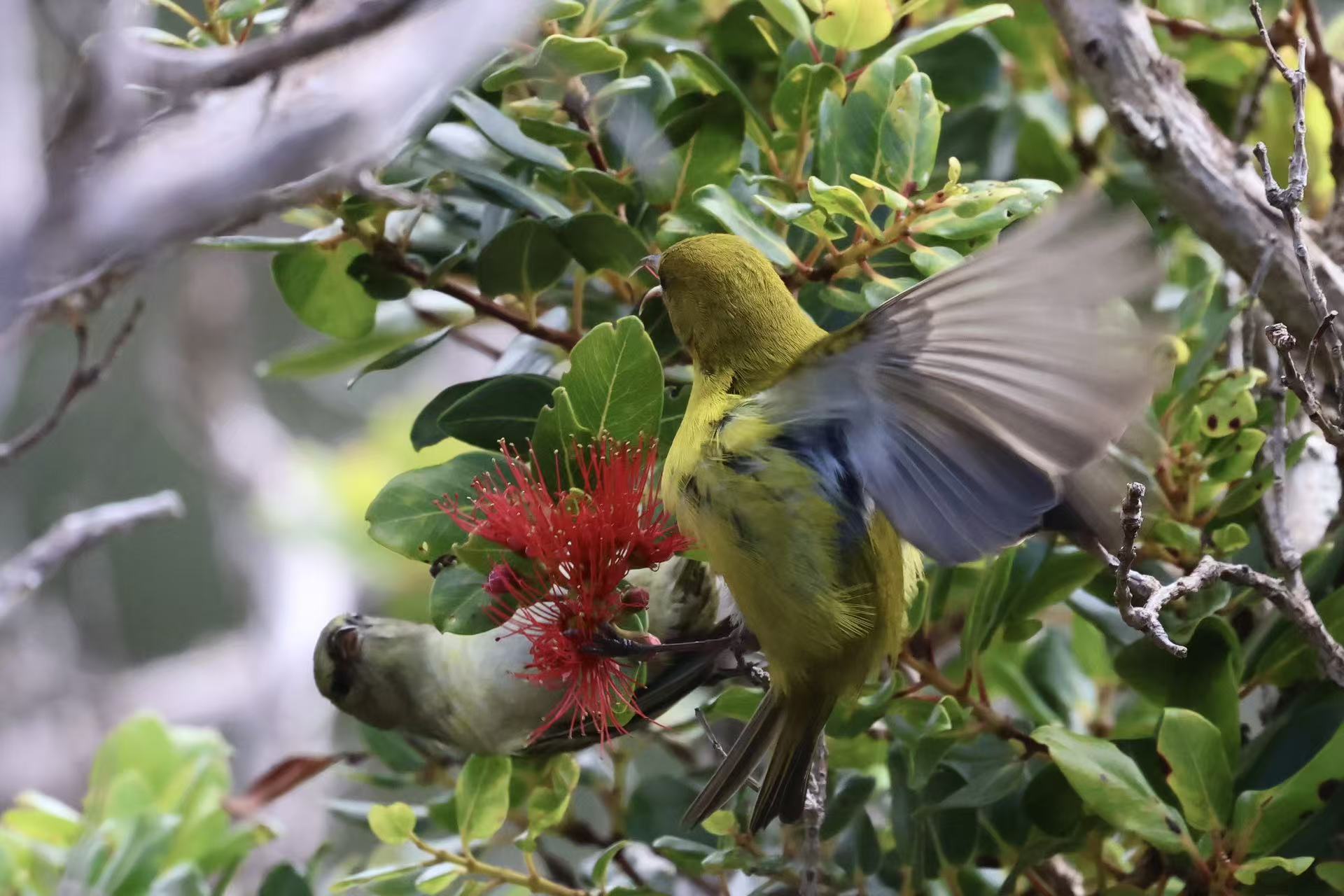
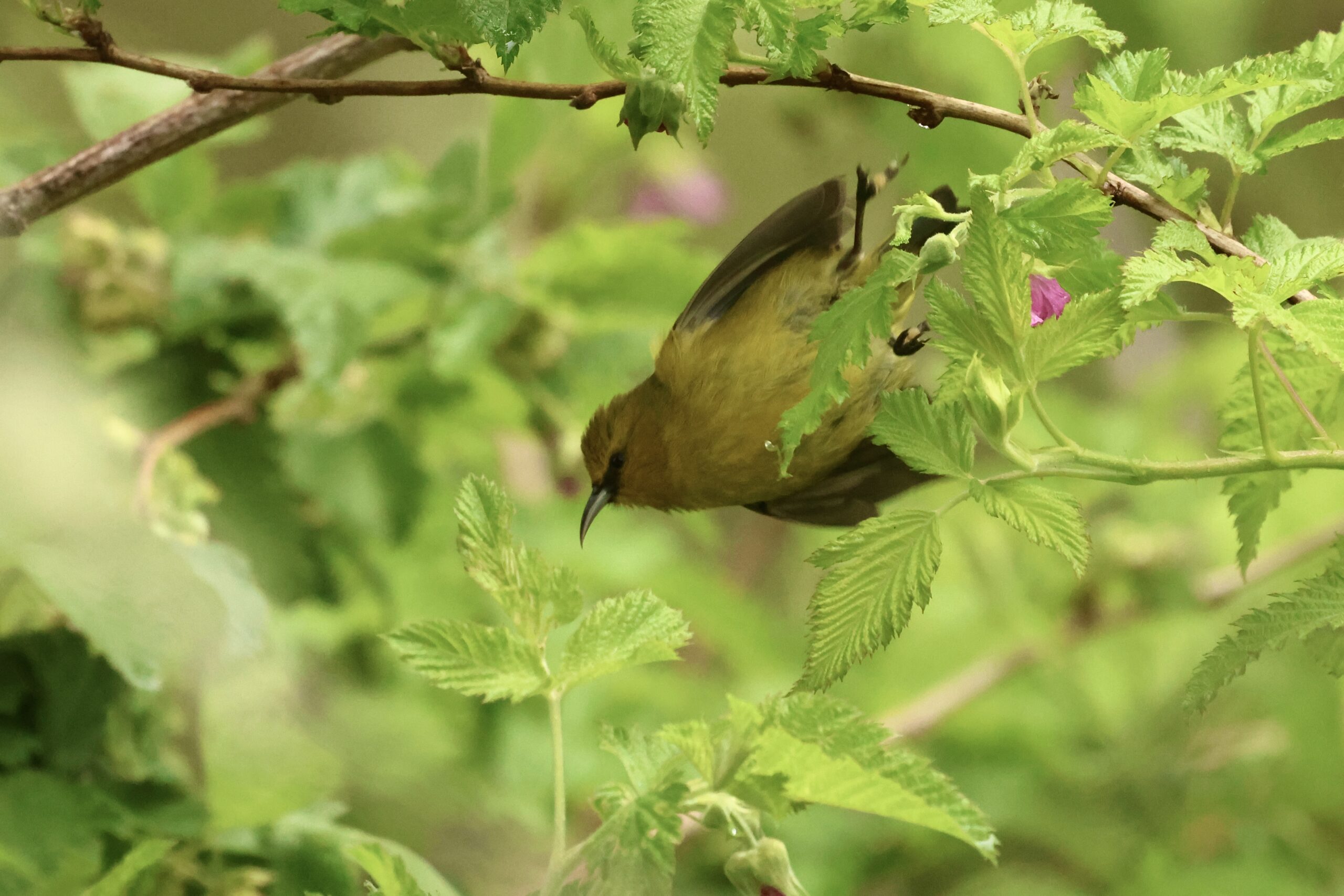
- For Oahu Amakihis:
- Look for red flowers. They love to drink nectar from them.
- Listen for their loud songs.
- For Oahu Elepaios:
- Very hard to find. We did not see or hear them.
- Look for them in the bushy habitat near the second telephone line crossing and similar habitats all along the trail.
Hawaiʻi (Big Island)
- Pu’u O’o Trail, Kipuka Ainahou section (first 2 miles)
- Walk the entire first 2 miles of the trail and focus on the kipukas (patches of forest) of Koa trees and ‘Ōhi‘a blooms.
- Hakalau Forest NWR–Pua Akala Tract (restricted access)
- Only accessible with a SUP holding guide.
- Lance T, Jack J, and Garry D all seem good per eBird.
- See SUP holding guides on the official web Hakalau Forest National Wildlife Refuge | Visit Us.
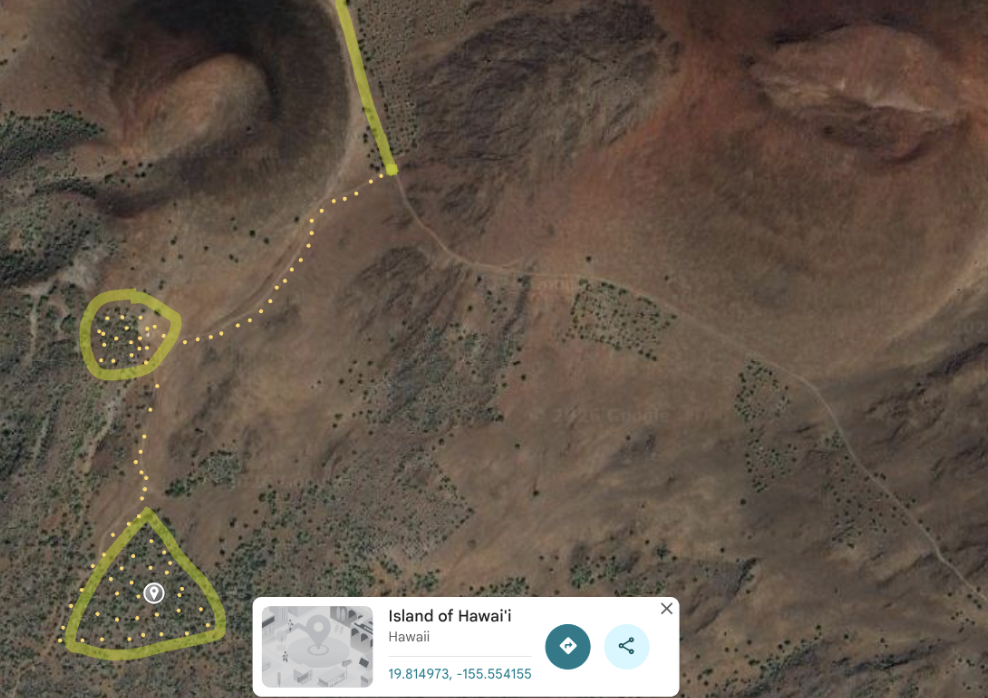
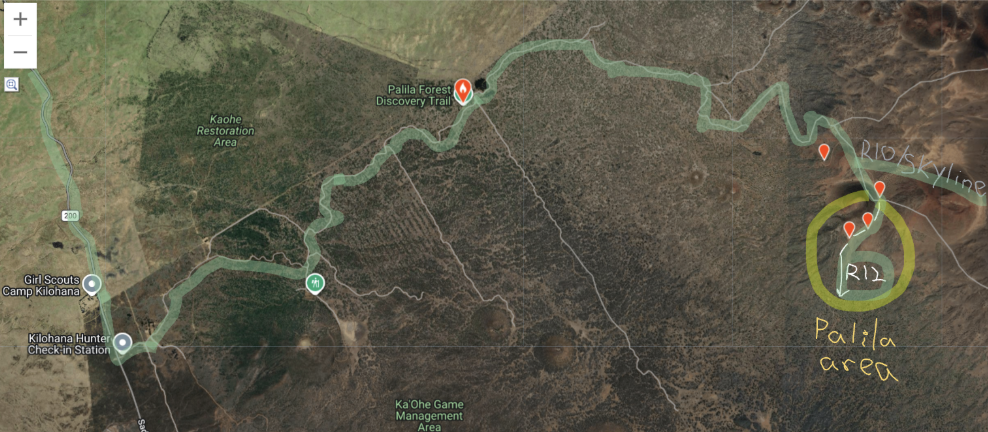
- Pu’u La’au, Palila Discovery Trail and Ka’ohe GMA
- Focus on Māmane forest from about 19°49’07.6″N 155°33’15.4″W to 19°48’55.3″N 155°33’14.1″W between the two pu’us (volcanic hills).
- A 4-wheel-drive vehicle or a 9-mile hike each way is required.
- Hawaii Volcanoes NP:
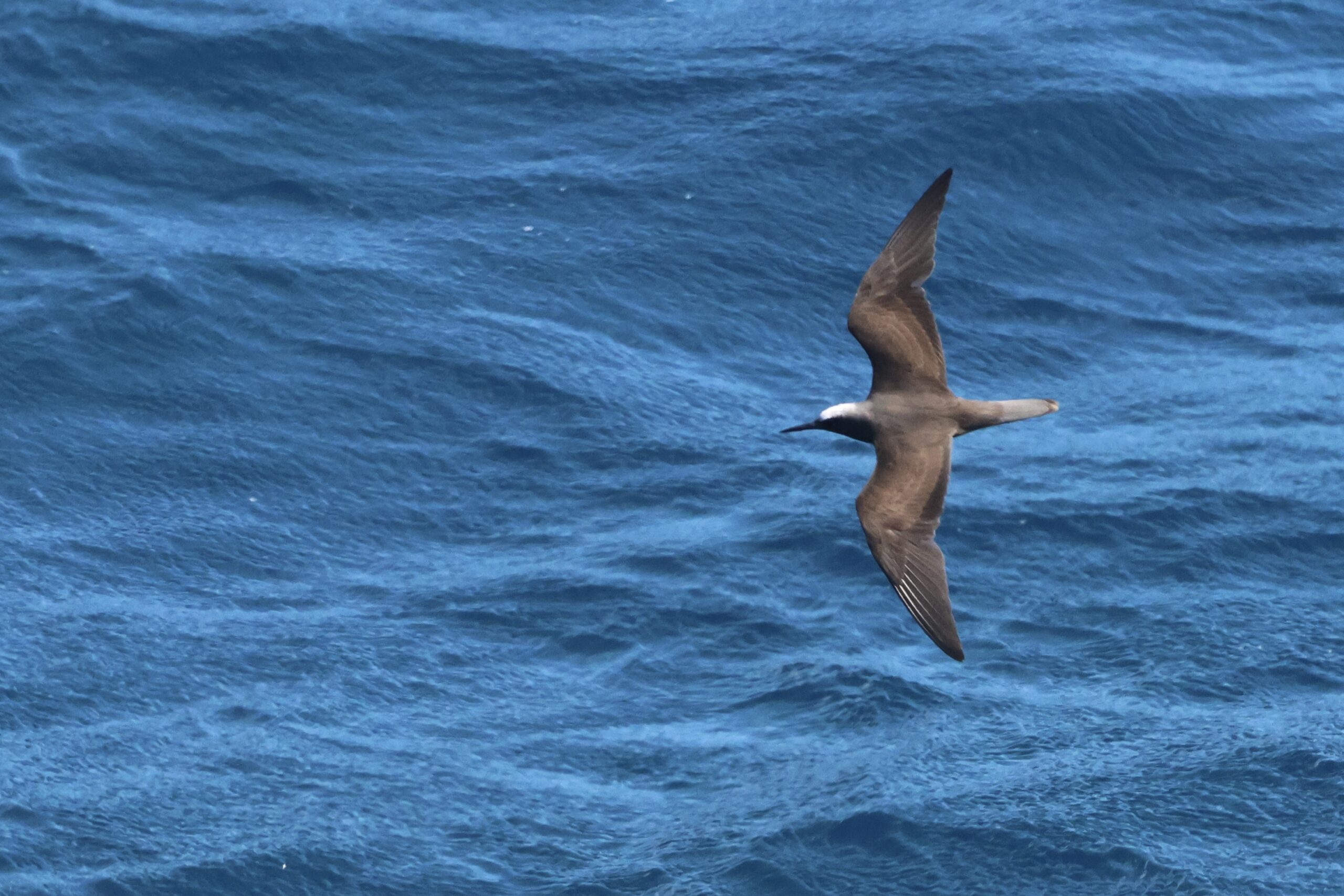
- Black Noddy at Hawai’i Volcanoes NP–Coastal Chain of Craters Rd. (Hōlei Sea Arch)
- White-tailed Tropicbirds at the volcano craters.
Kauaʻi
- Kilauea Point NWR
- The lighthouse (closer to birds) requires reservations (on Recreation.gov), but the overlook is always open to everyone.
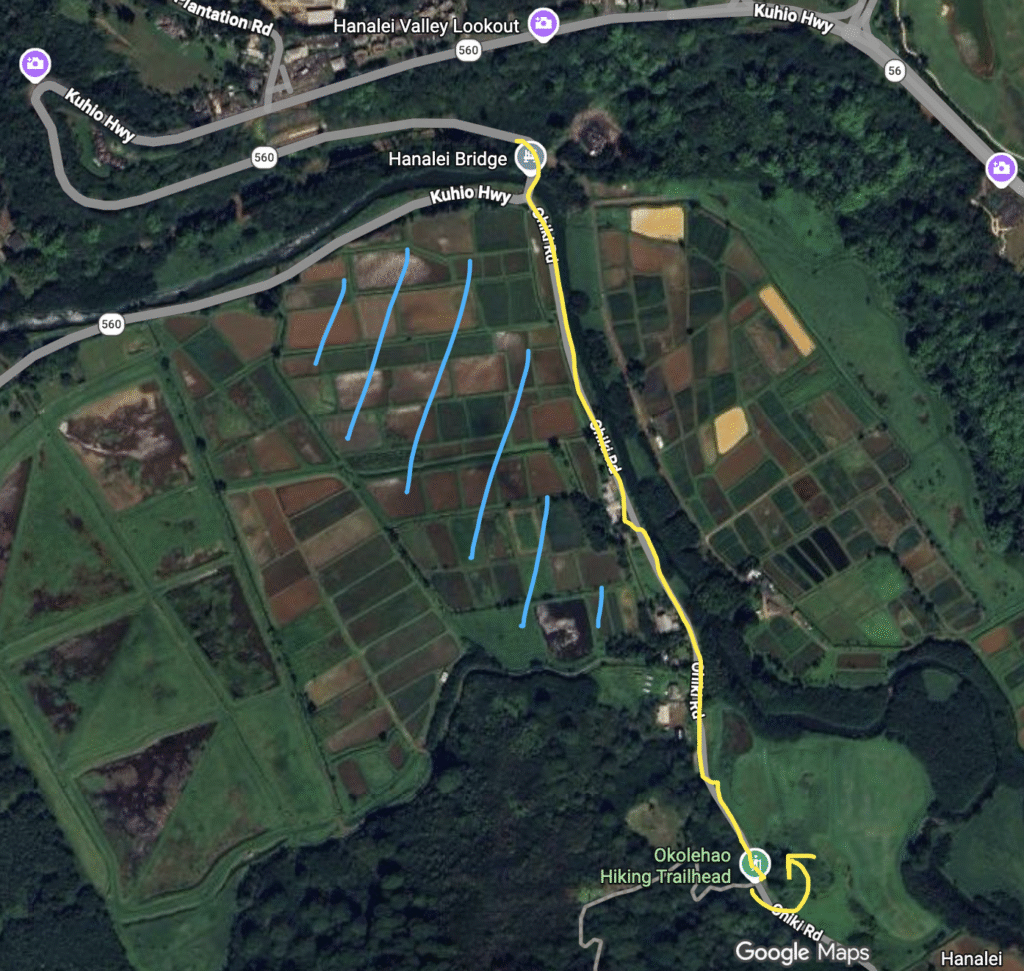
- Hanalei NWR–‘Ohiki Rd,
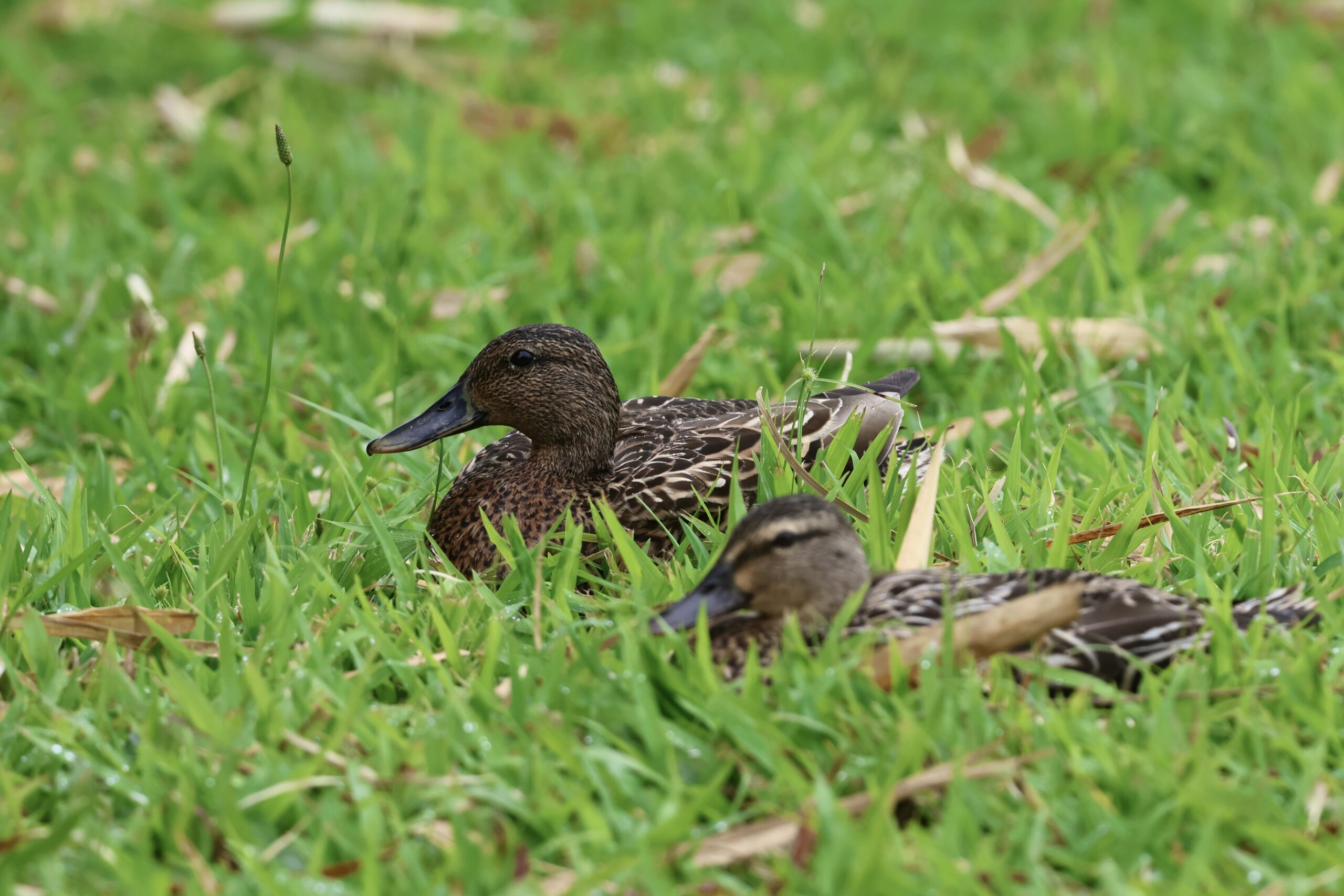
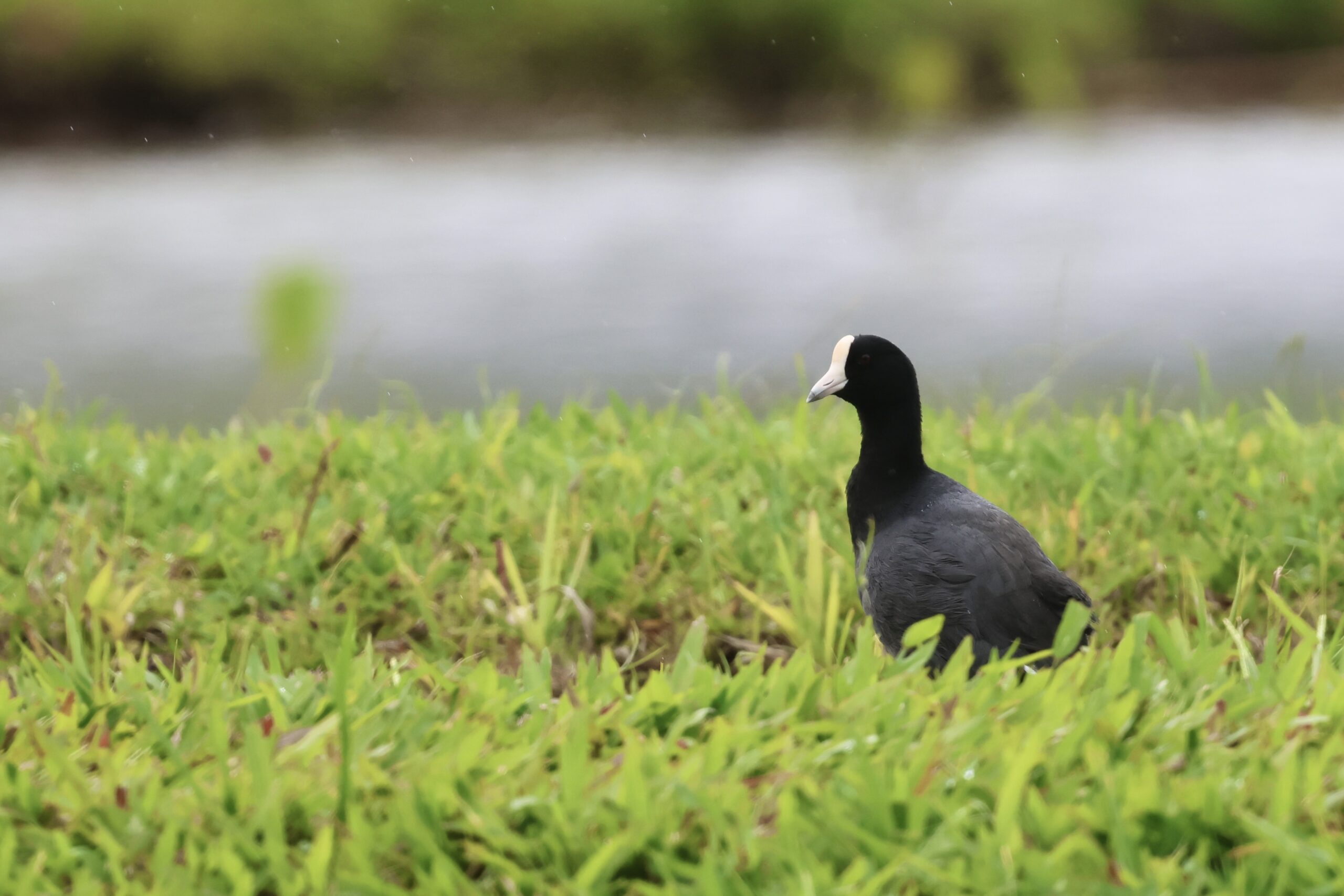
- Drive down ‘Ohiki Rd, look for Hawaiian Ducks and Hawaiian Coots in the taro fields on the west side. See the Google Maps screenshot below.
- Kōkeʻe SP road–Kalalau to Pu‘u O Kila lookout and Kōkeʻe State Park–Puʻu O Kila Lookout
- Anianiau:
- Search for them at the mature Ōhi’a forest near (22.1477052, -159.6330924). Look on the north side of the road. See the Google Maps screenshot below.
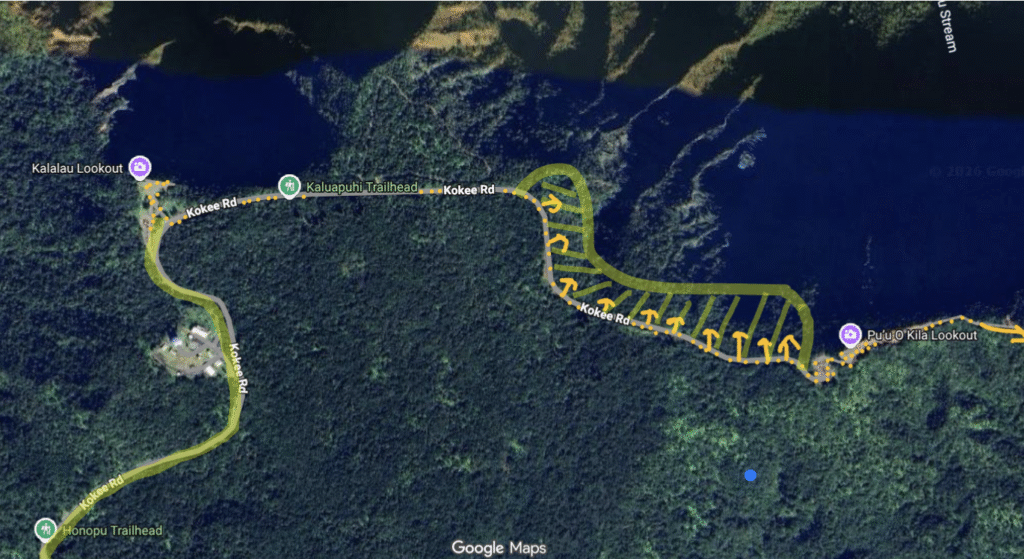
- Note old-grown ‘Ōhi‘a that have lots of blooms, that is where all honeycreepers go to get “honey”.
- Kauai Elepaio:
- Relatively easy, near the same location as the Anianiau and the Puu O Kila Lookout parking lot.
- Anianiau:
More Tips!
- Bring water, binoculars, camera(s), hiking shoes/rubber boots, rain jackets, and pants. Dress in layers. Be prepared for any weather possibilities (hot/cold, wet/dry; 40°F-60°F) and 4WD road conditions (tall wet grass, gravel/loose rocks, uphill/downhill).
- Please make sure all footwear and gear are clean from sand, dirt, mud, etc., before entering any remote wildlife area.
- Please clean footwear and gear of any beach sand, mud, soil, grass, seeds, etc.
- Bring waterproof items for all the things you will take into the field. It rains A LOT.
Good Luck & Have Fun!!!
Mahalo for reading!
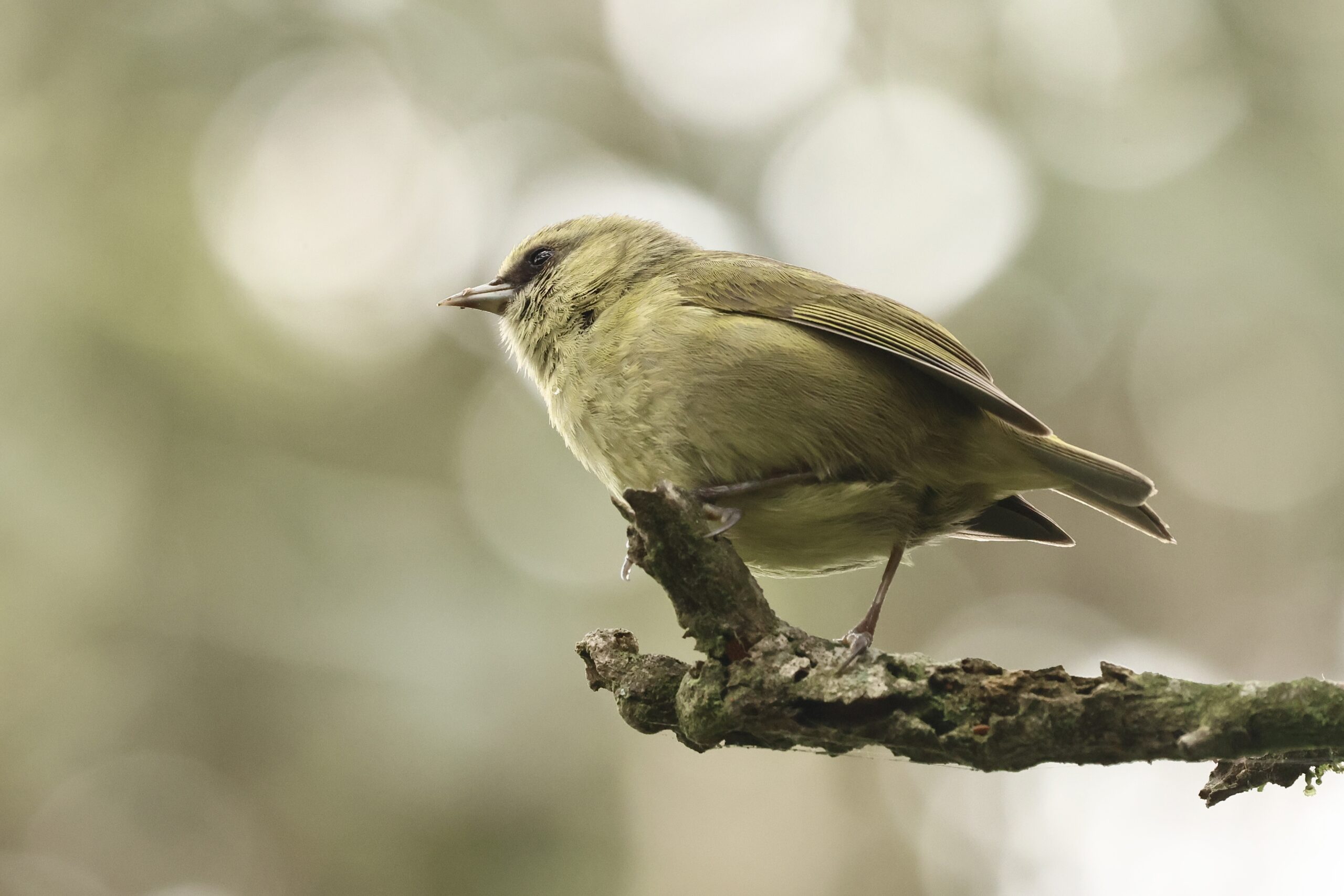
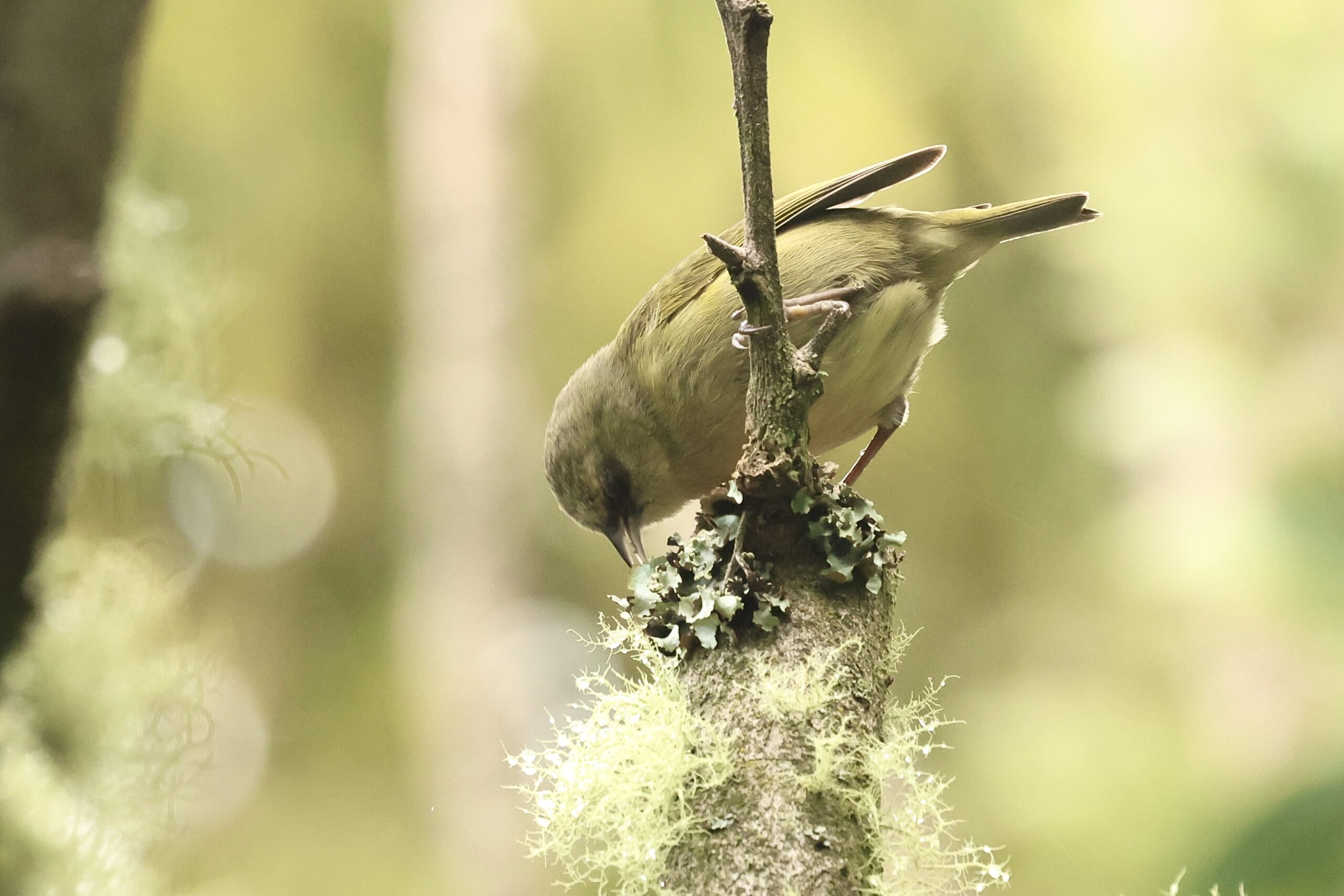
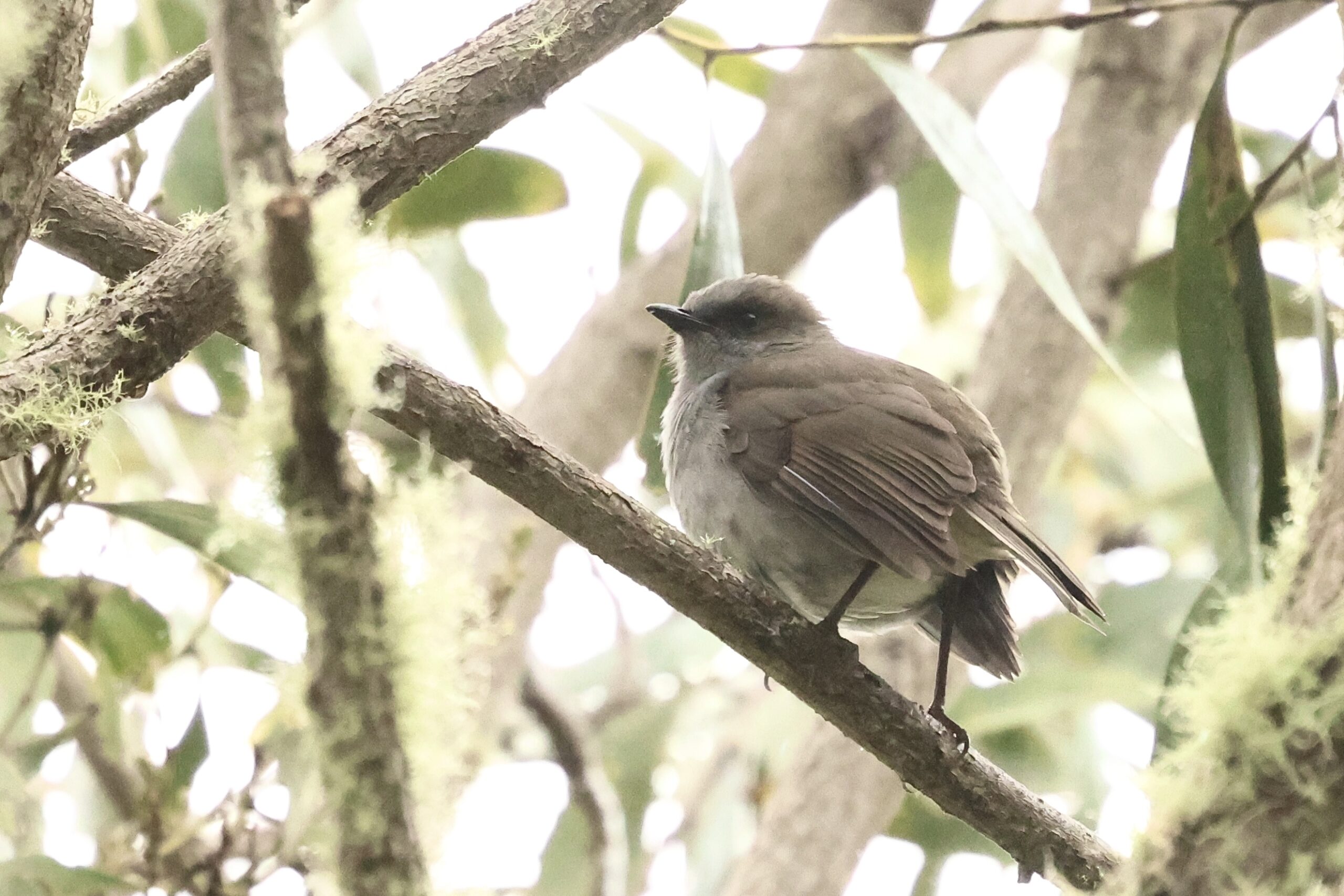
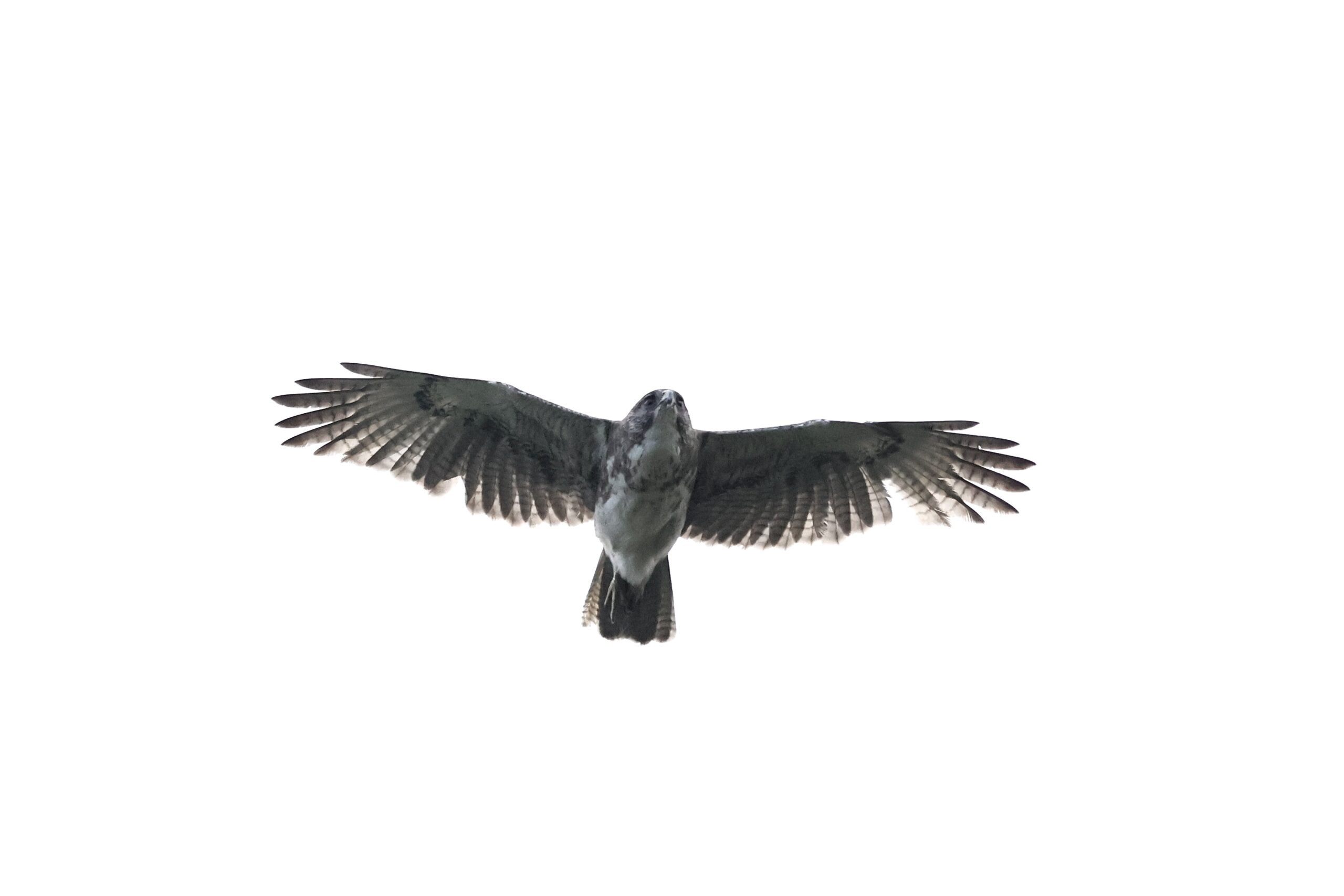
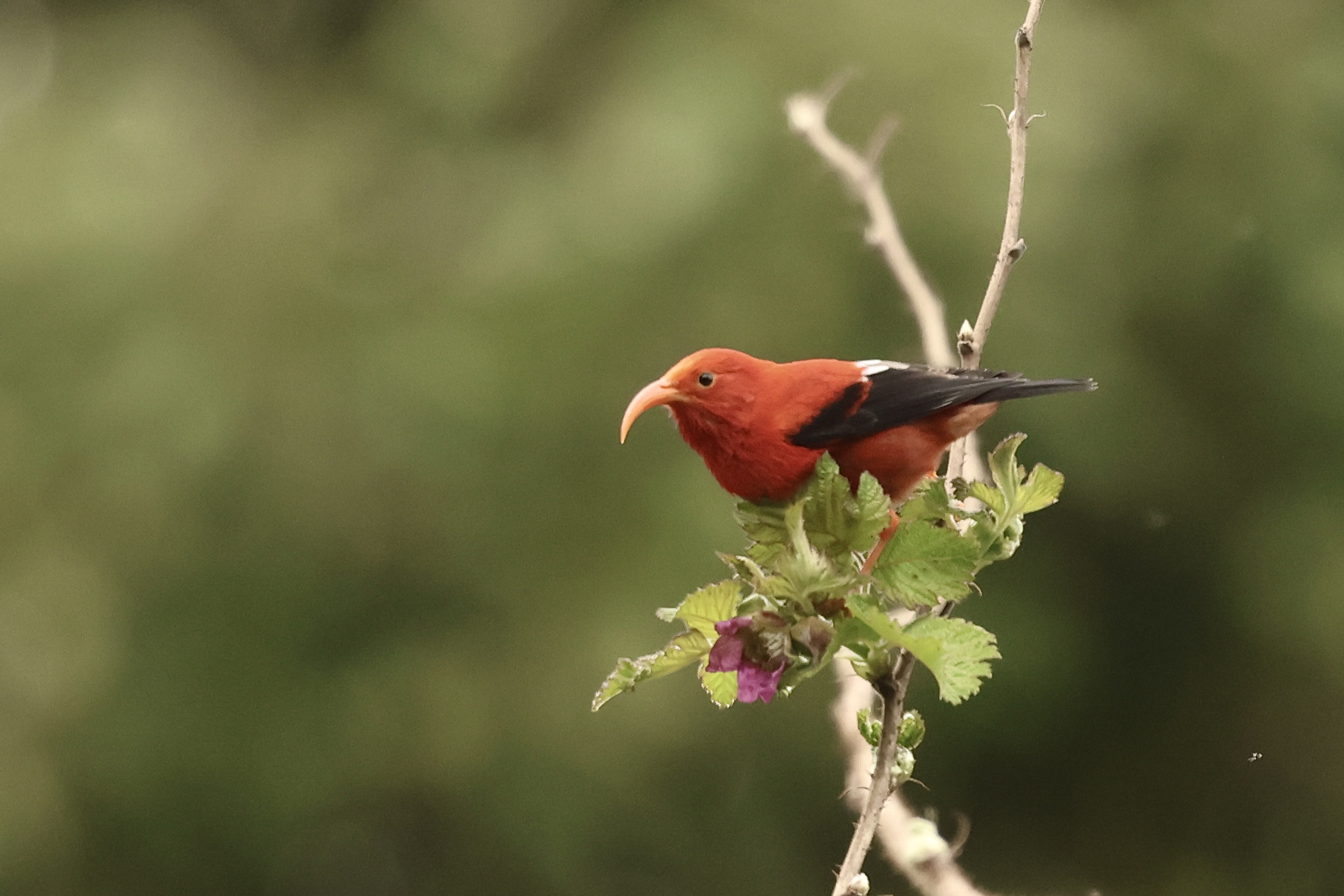
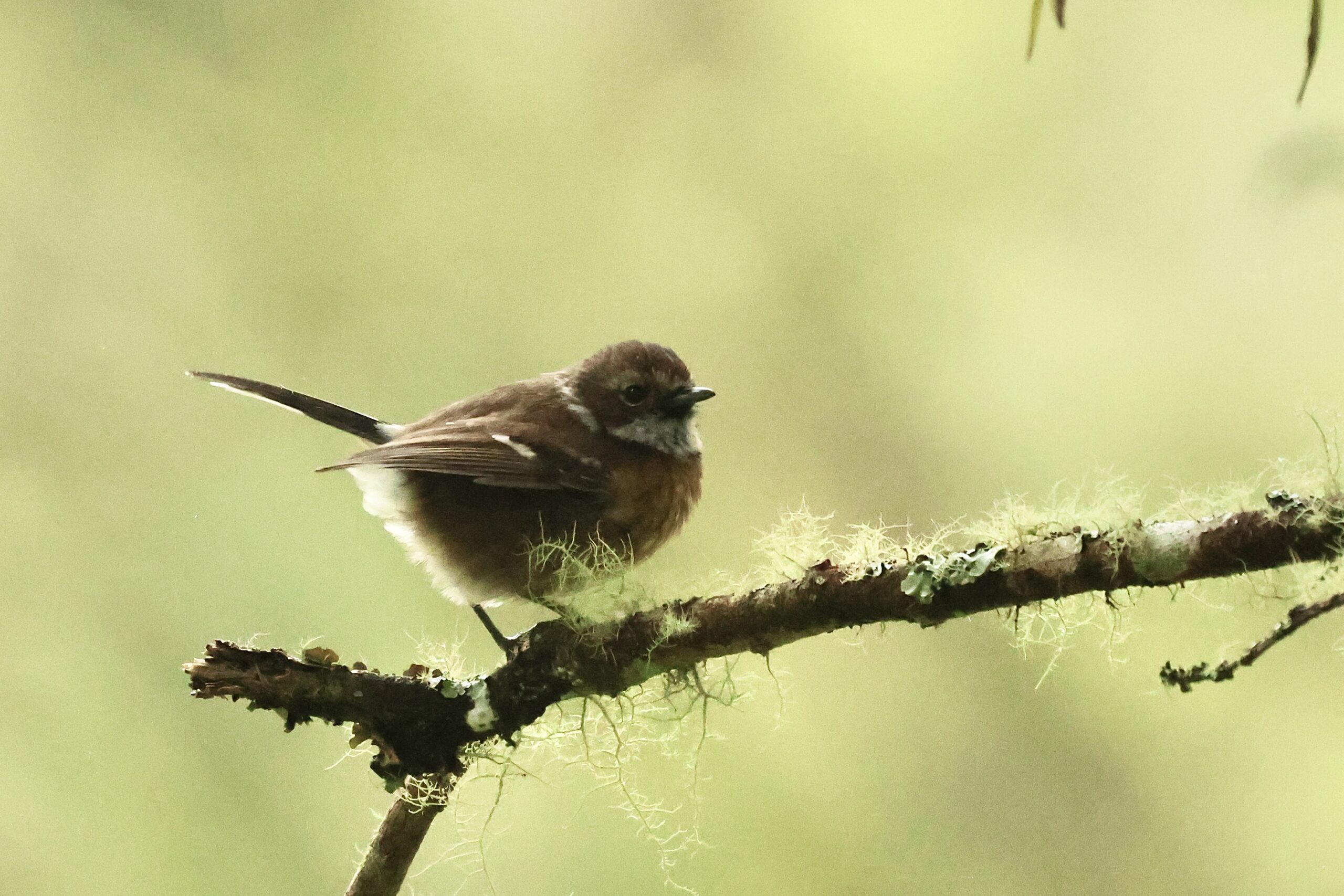
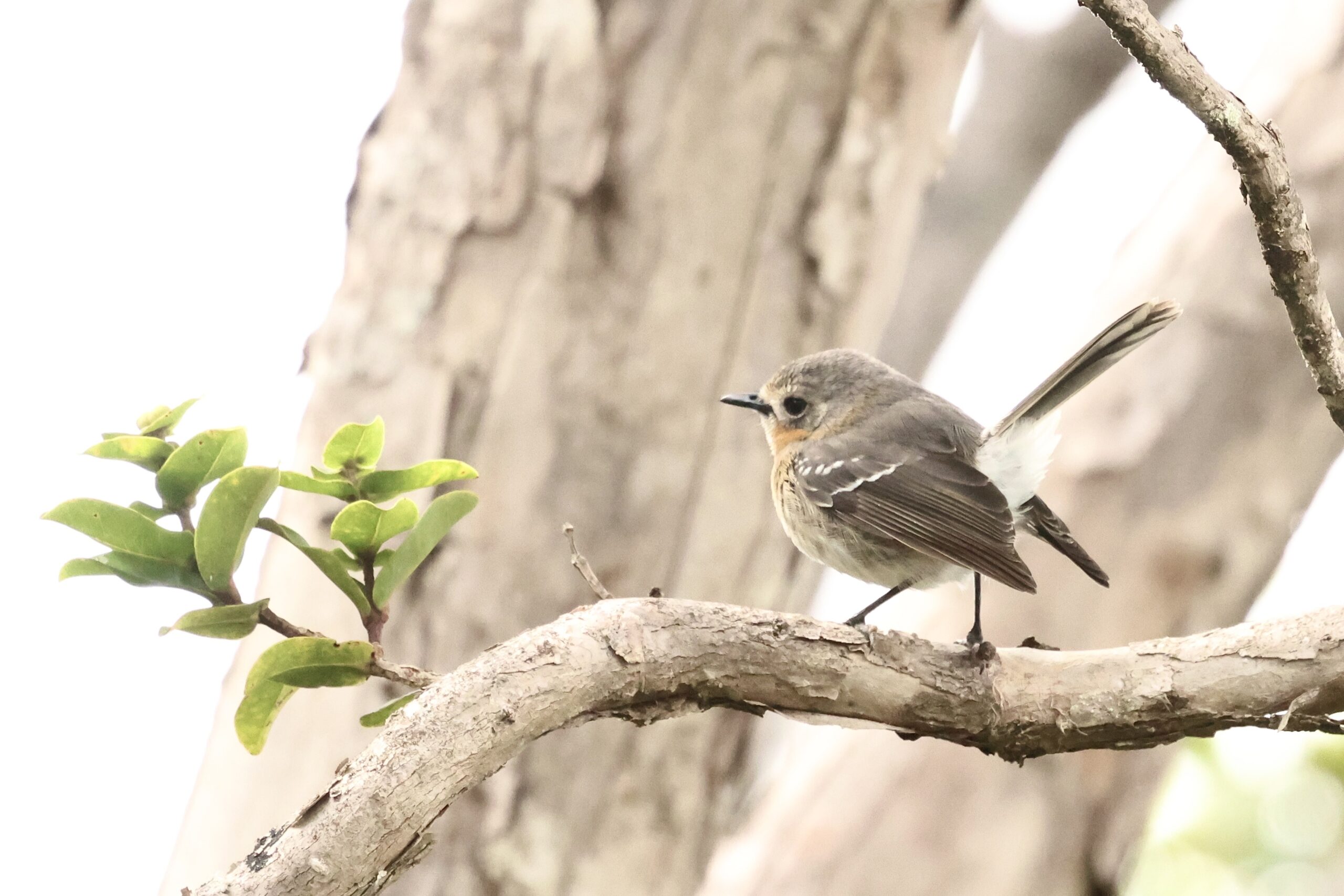
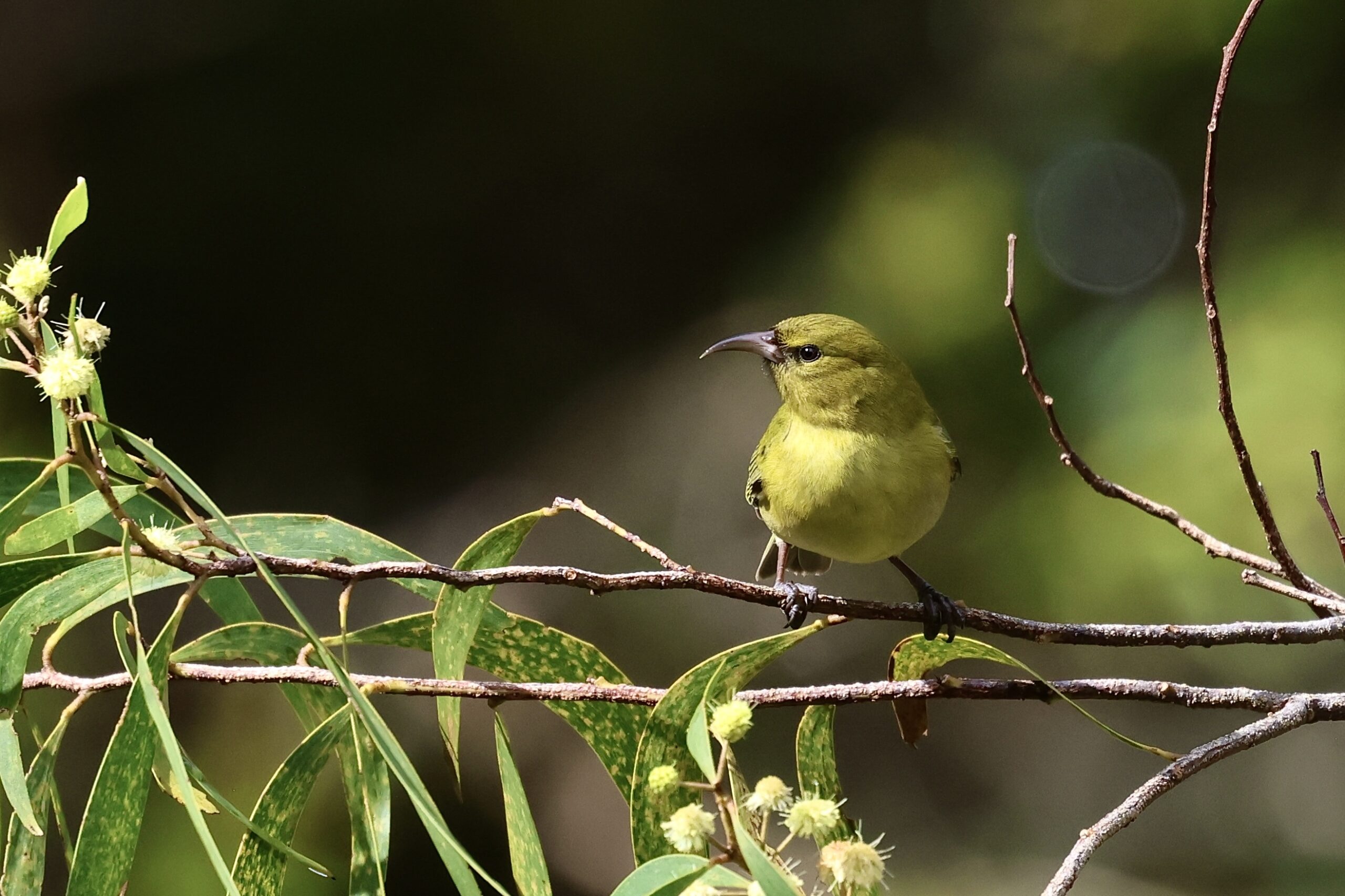
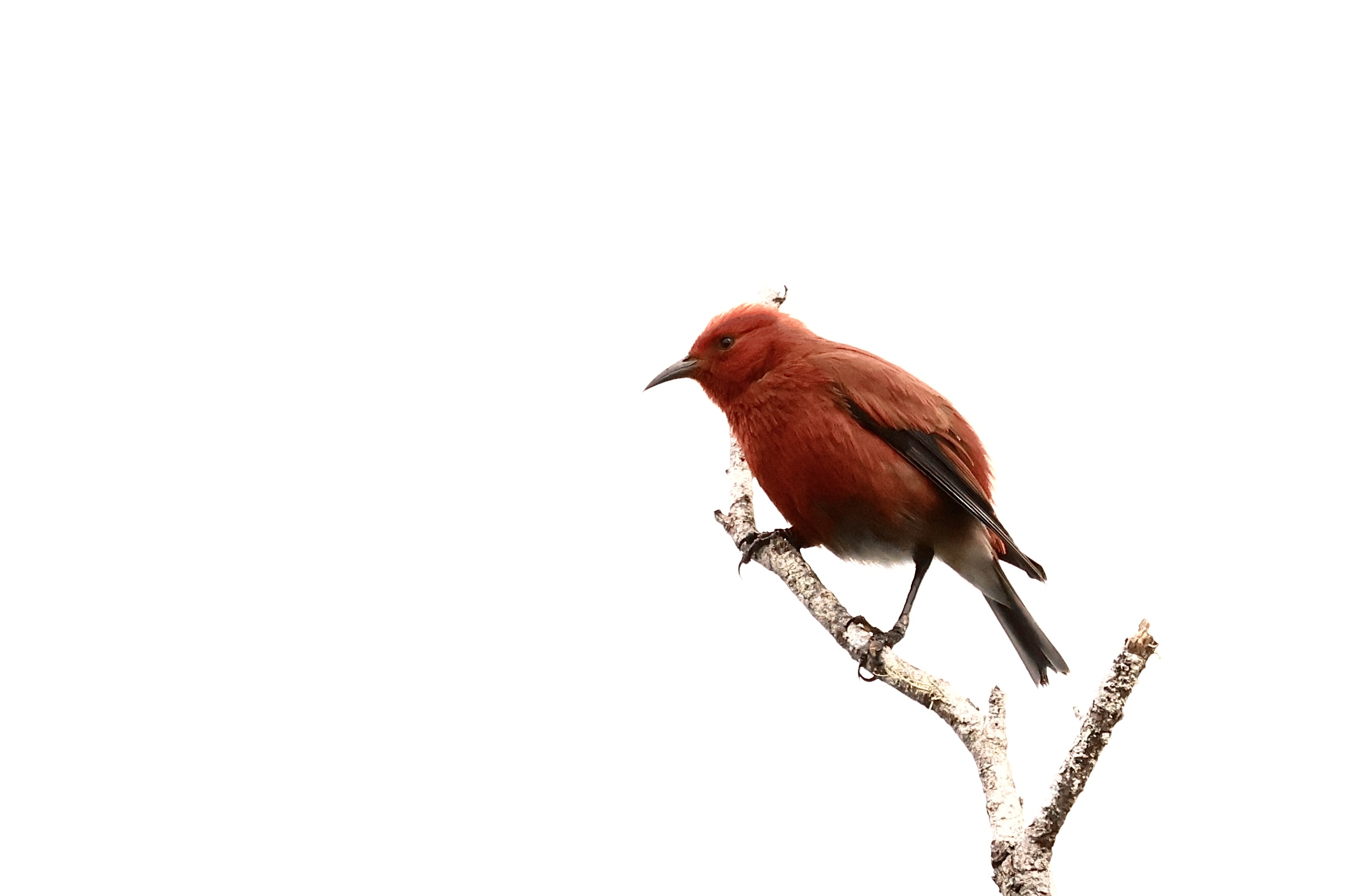
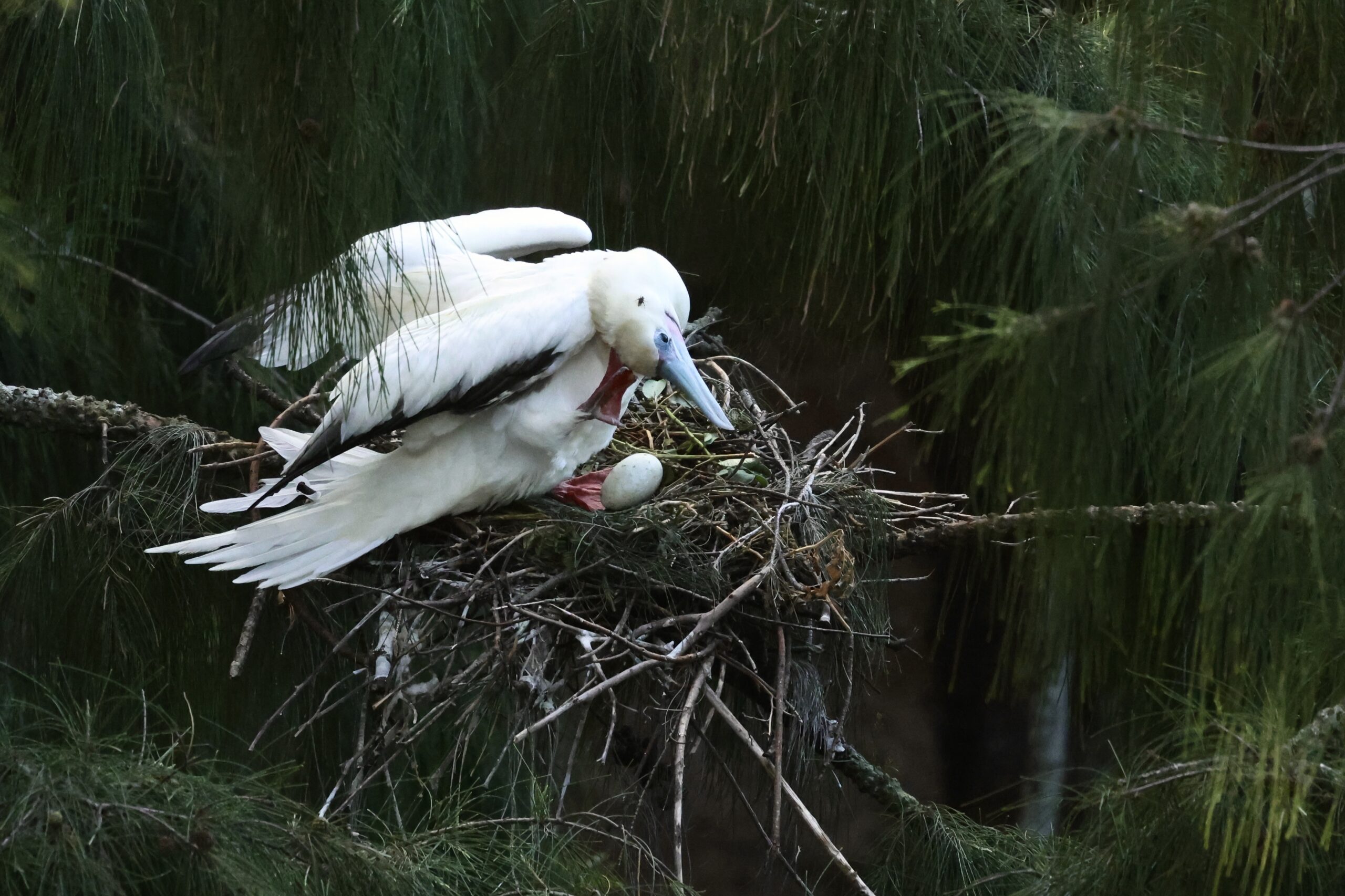
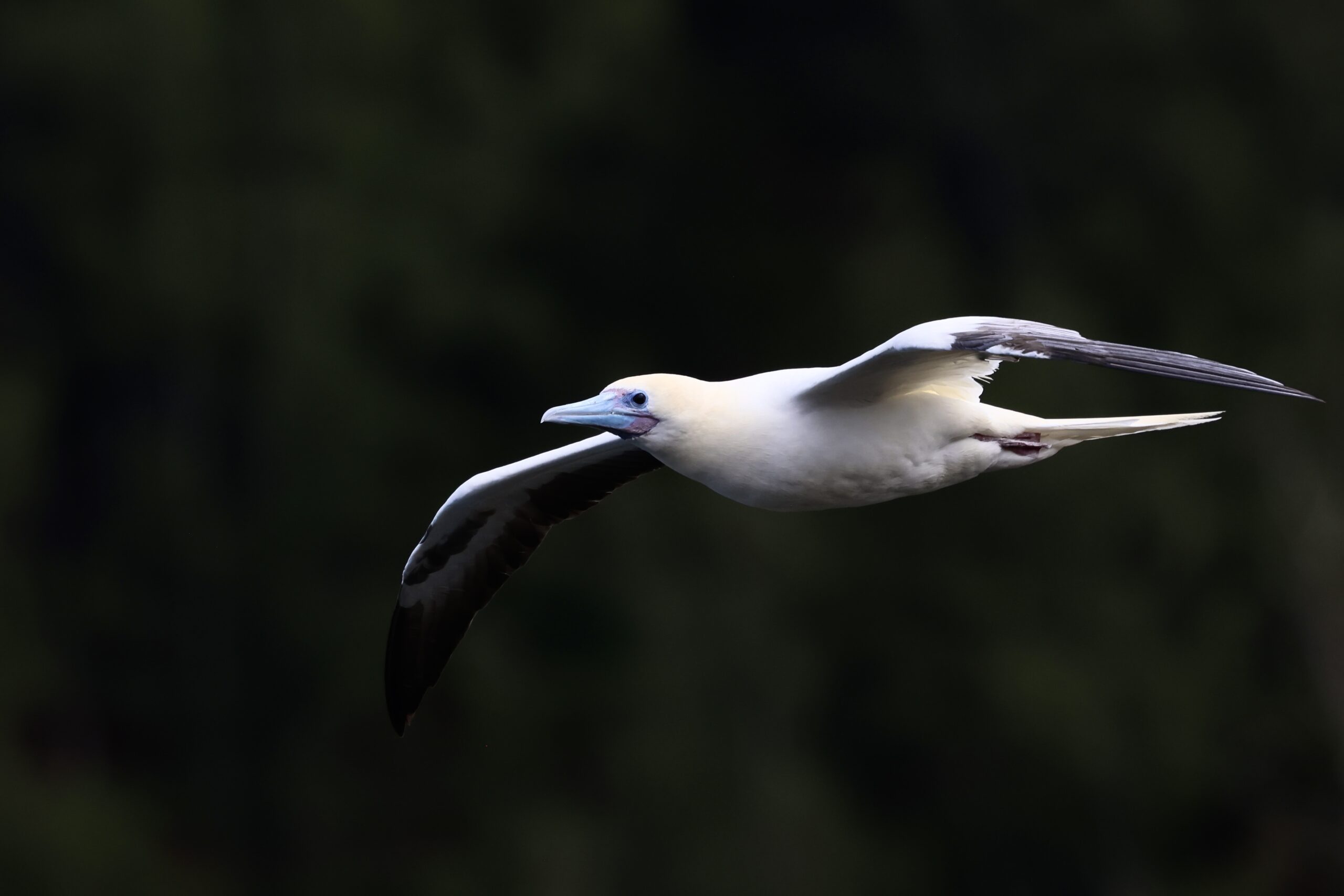
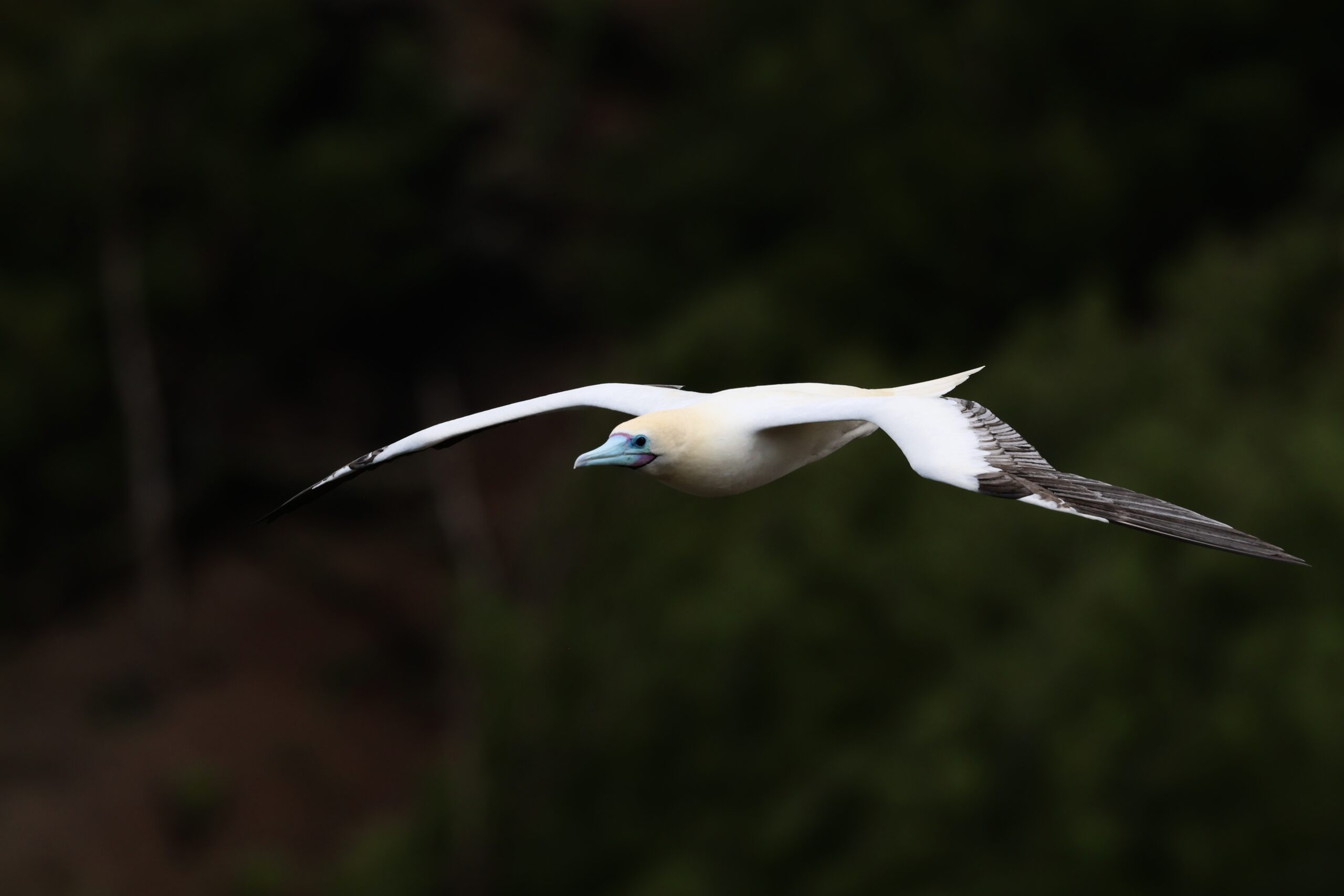
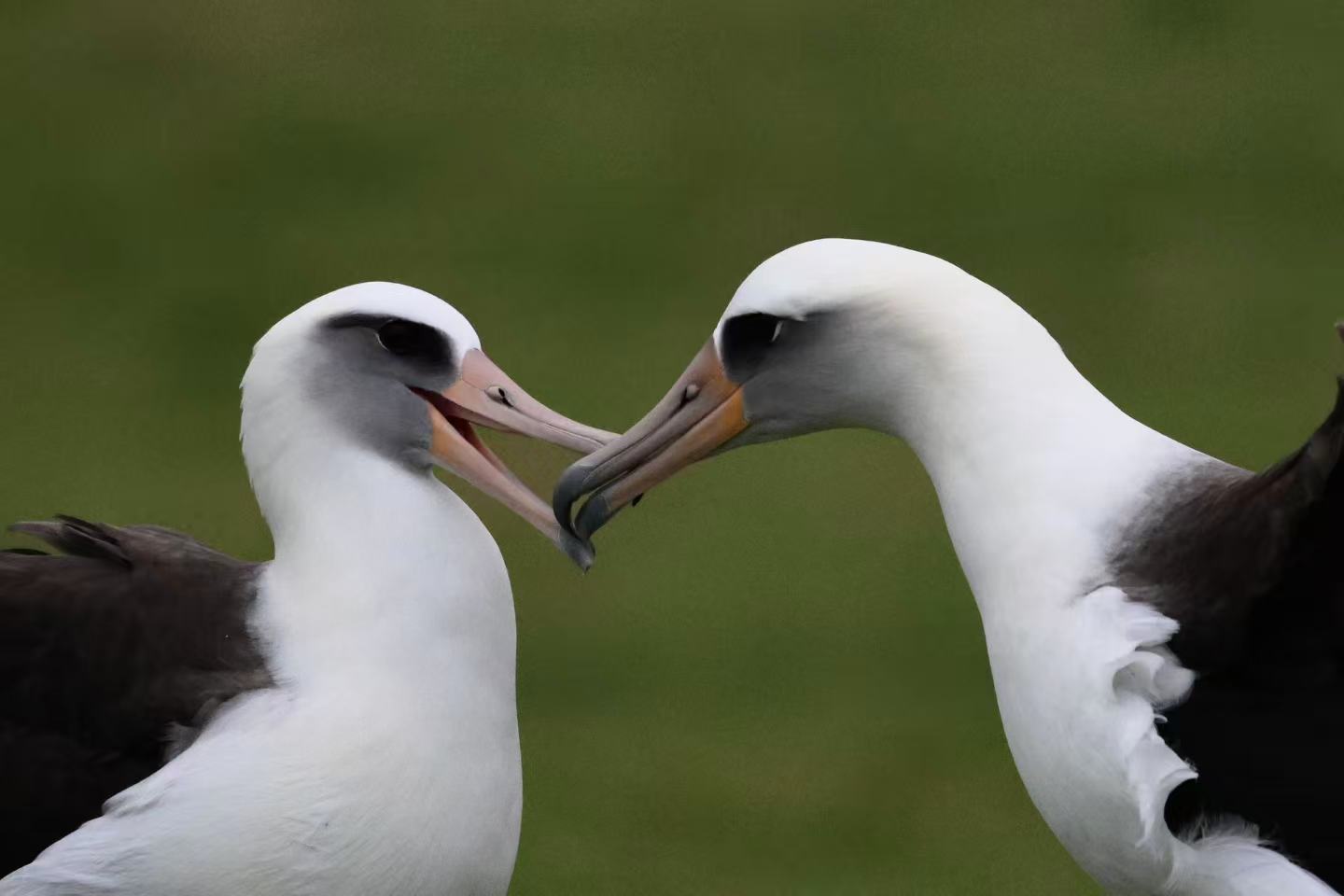
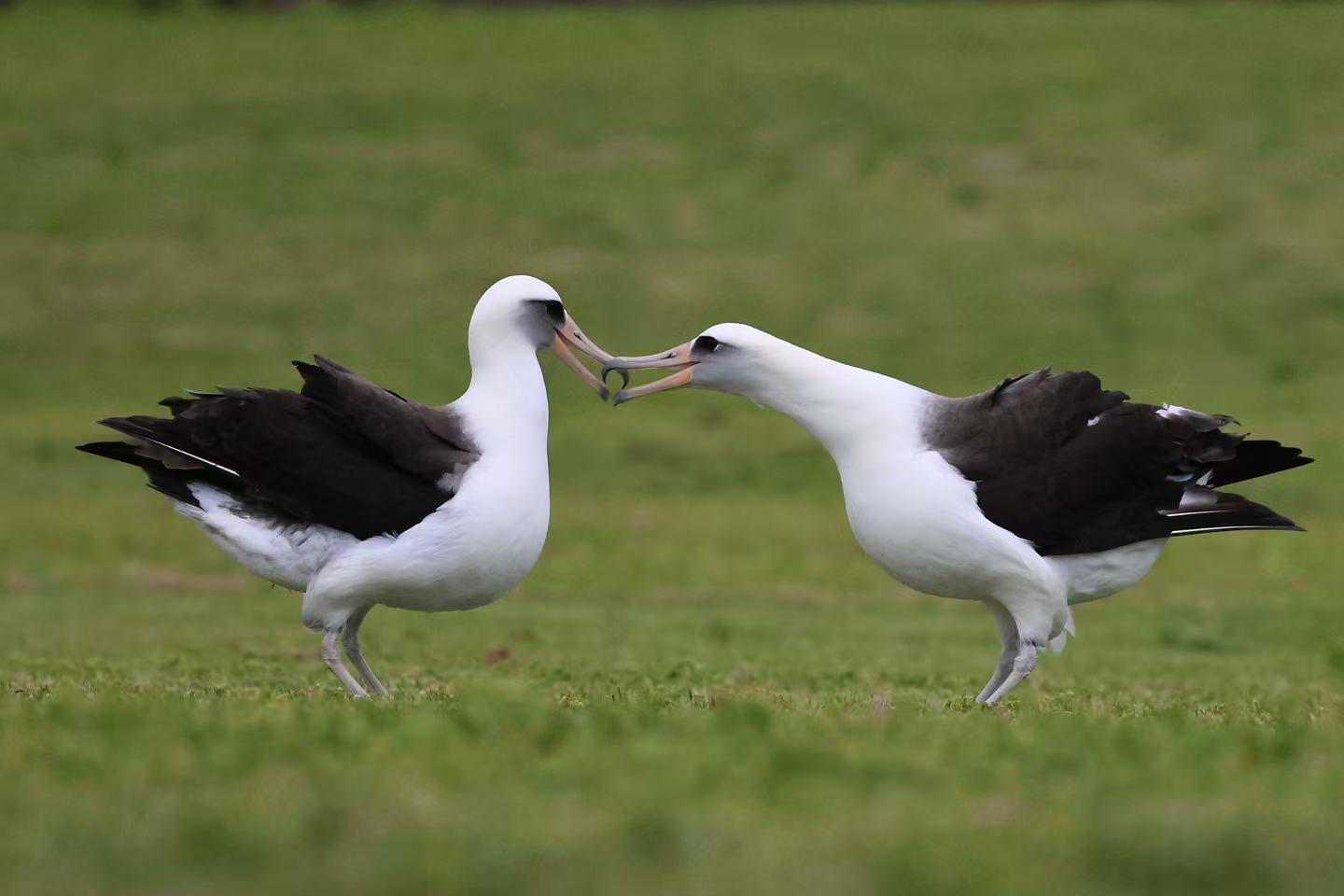
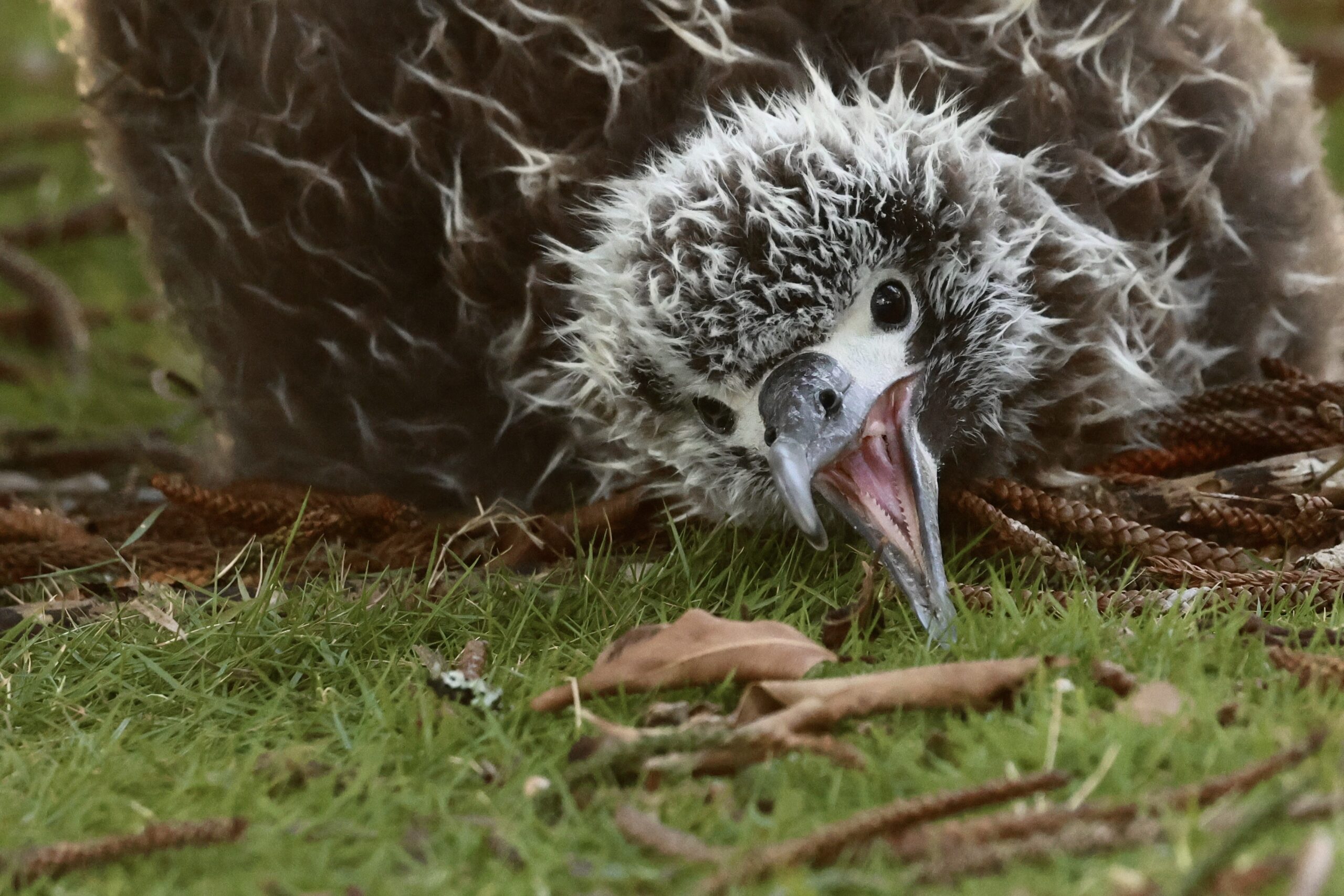
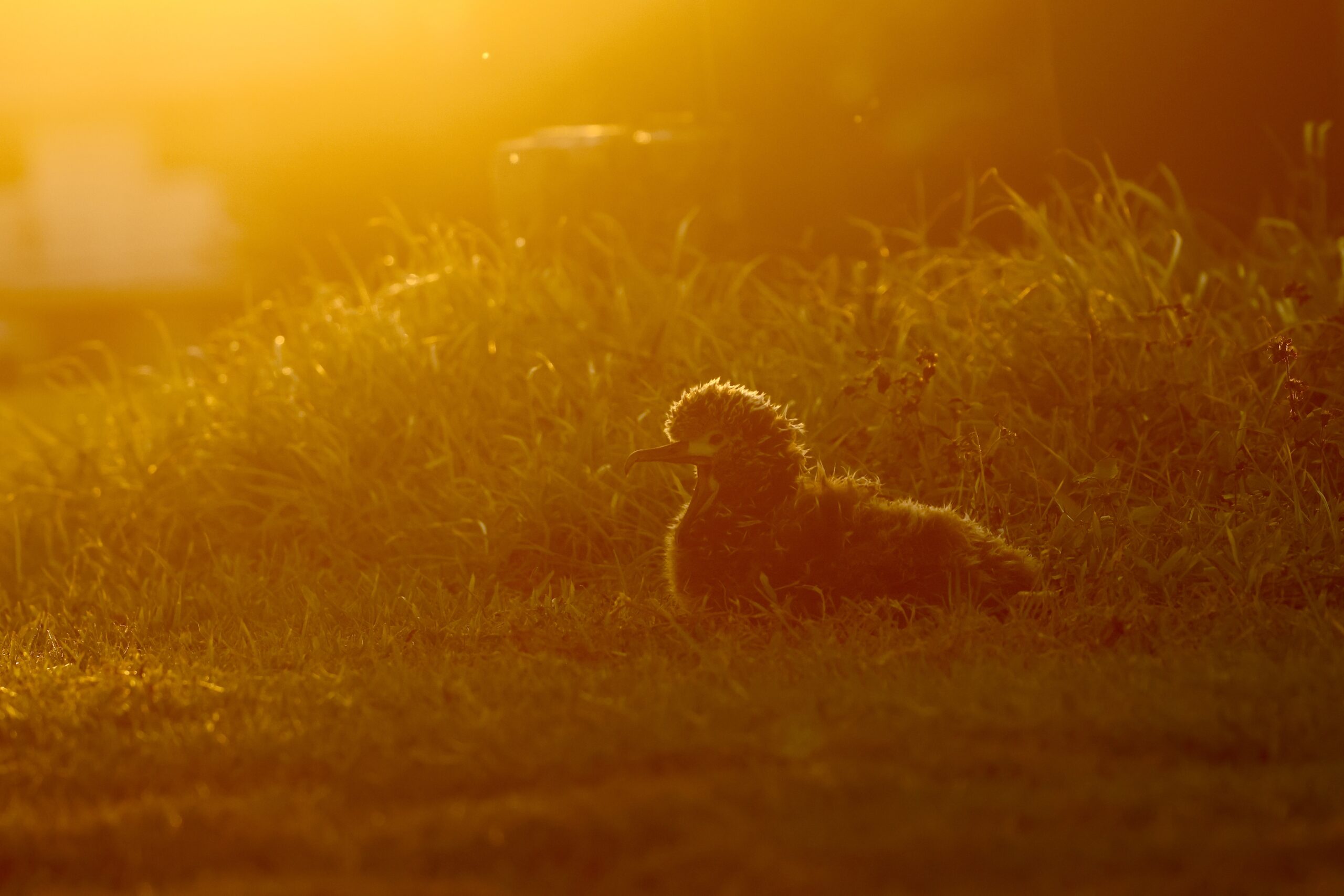
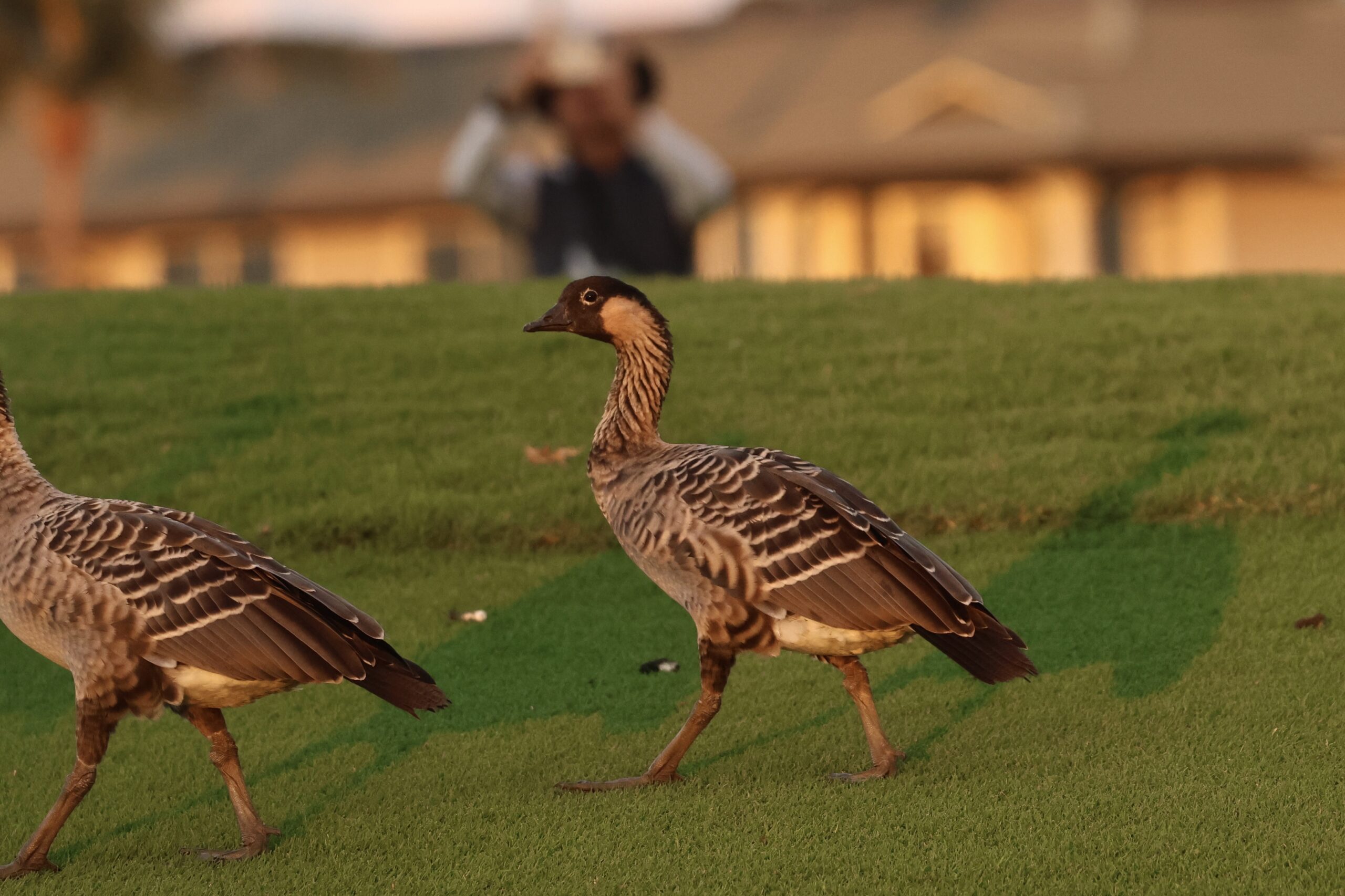
Highlights from this trip:

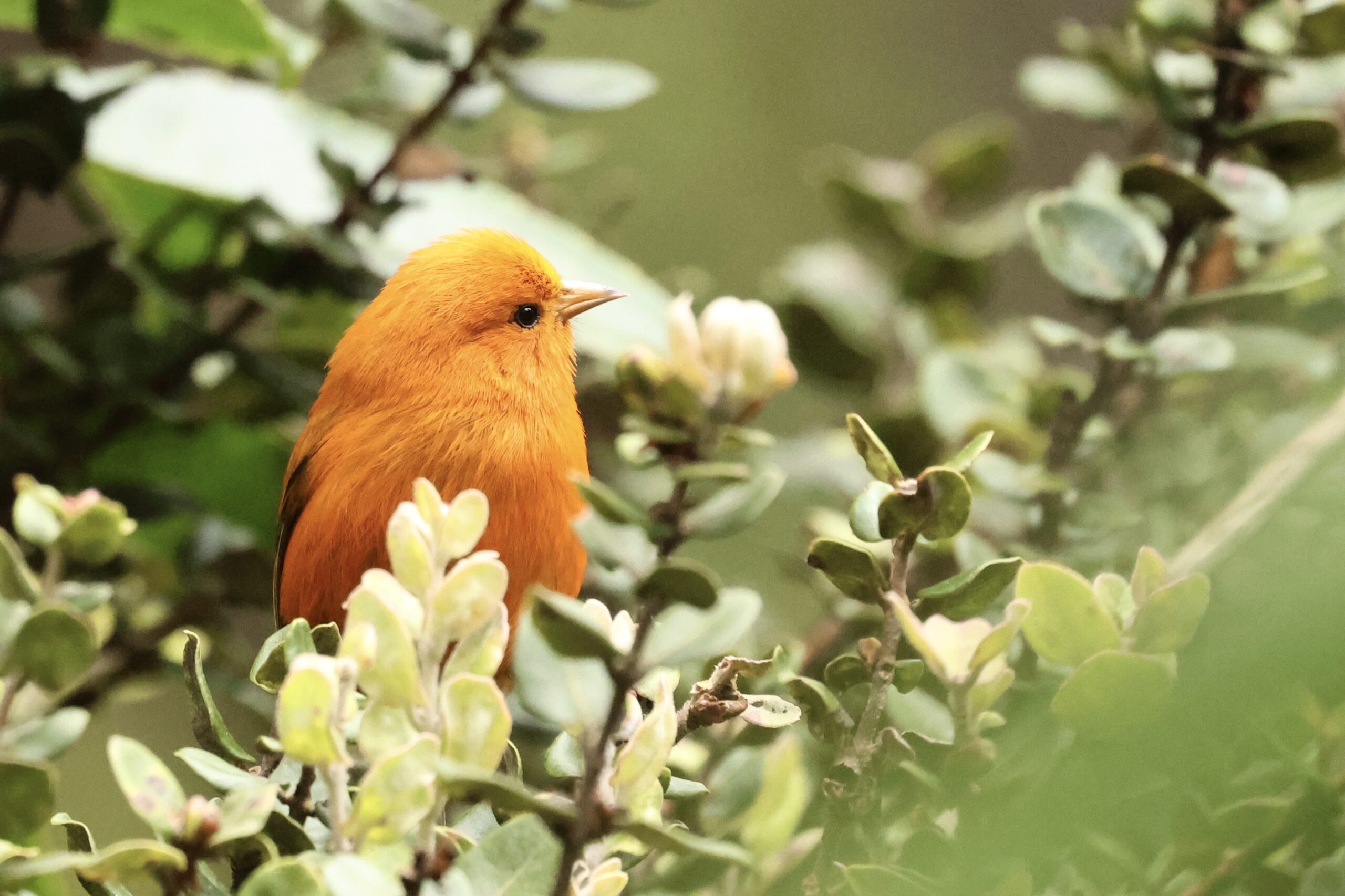
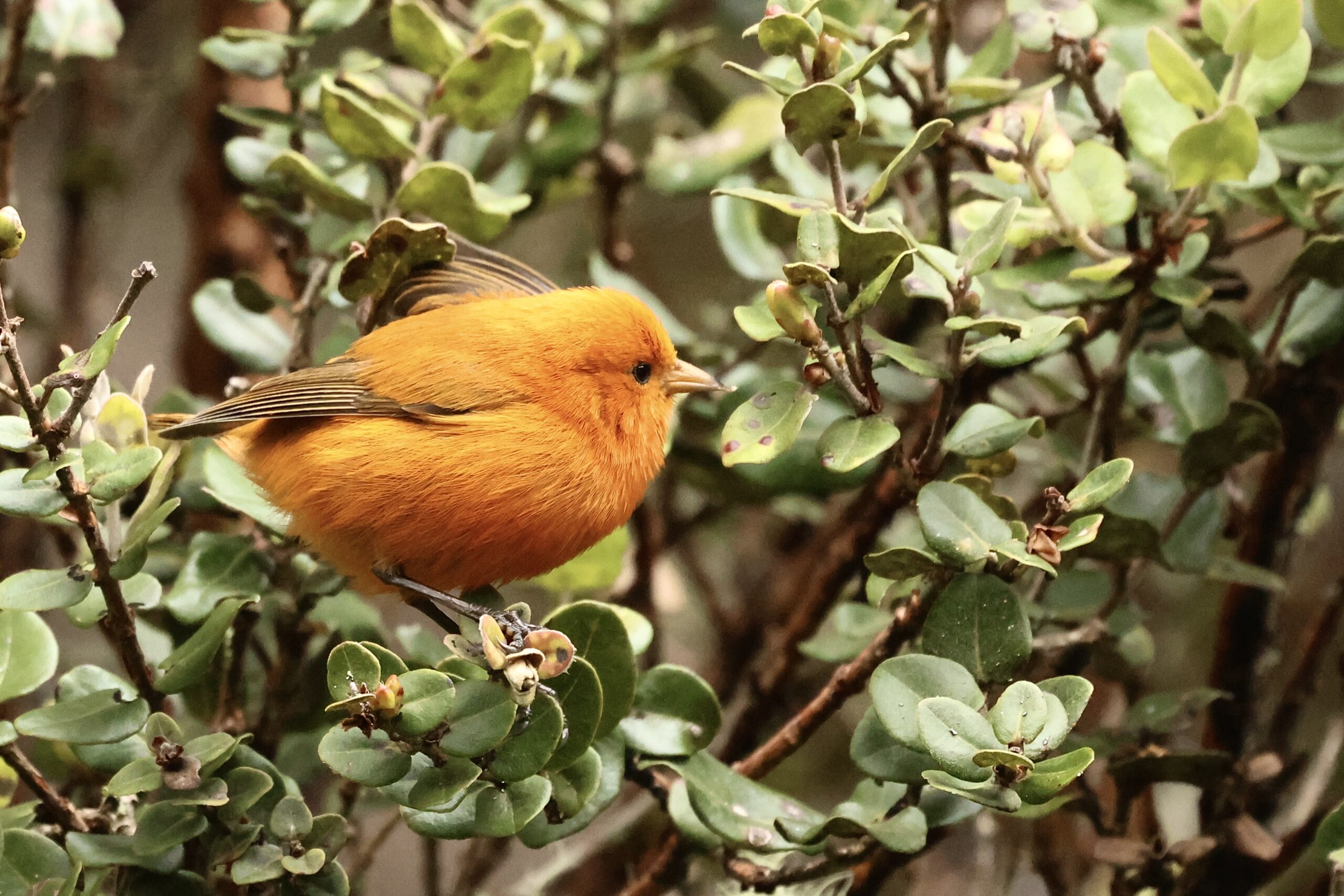
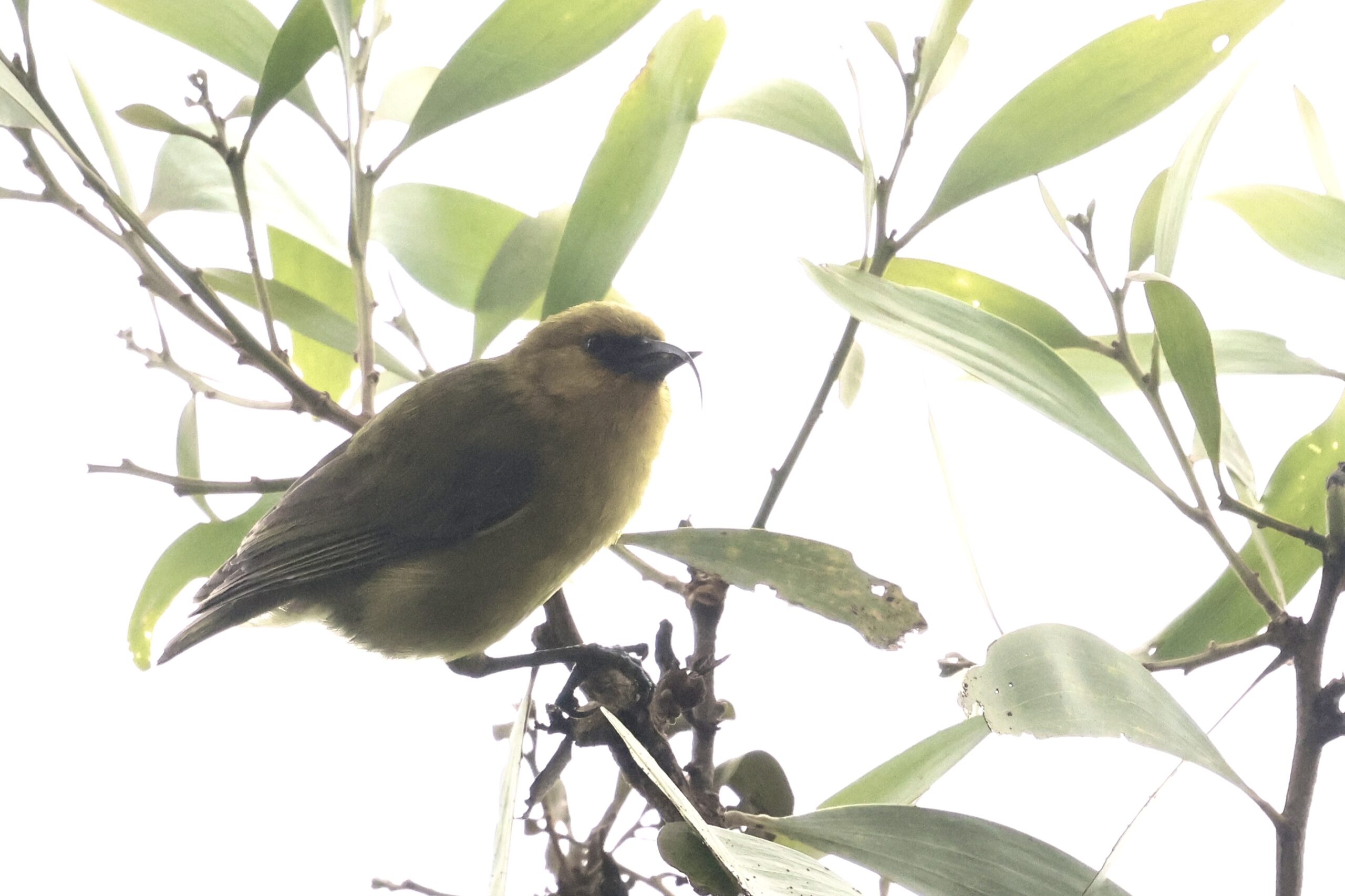
Miles, This is a really thoughtfully put-together guide. You did a great job combining practical travel details with the excitement of birding in Hawaii, making it both useful and fun to read. I especially appreciated how you highlighted key species and locations.
Mahalo nui loa.
Great summary that will be a useful guide to birders visiting Hawaii!