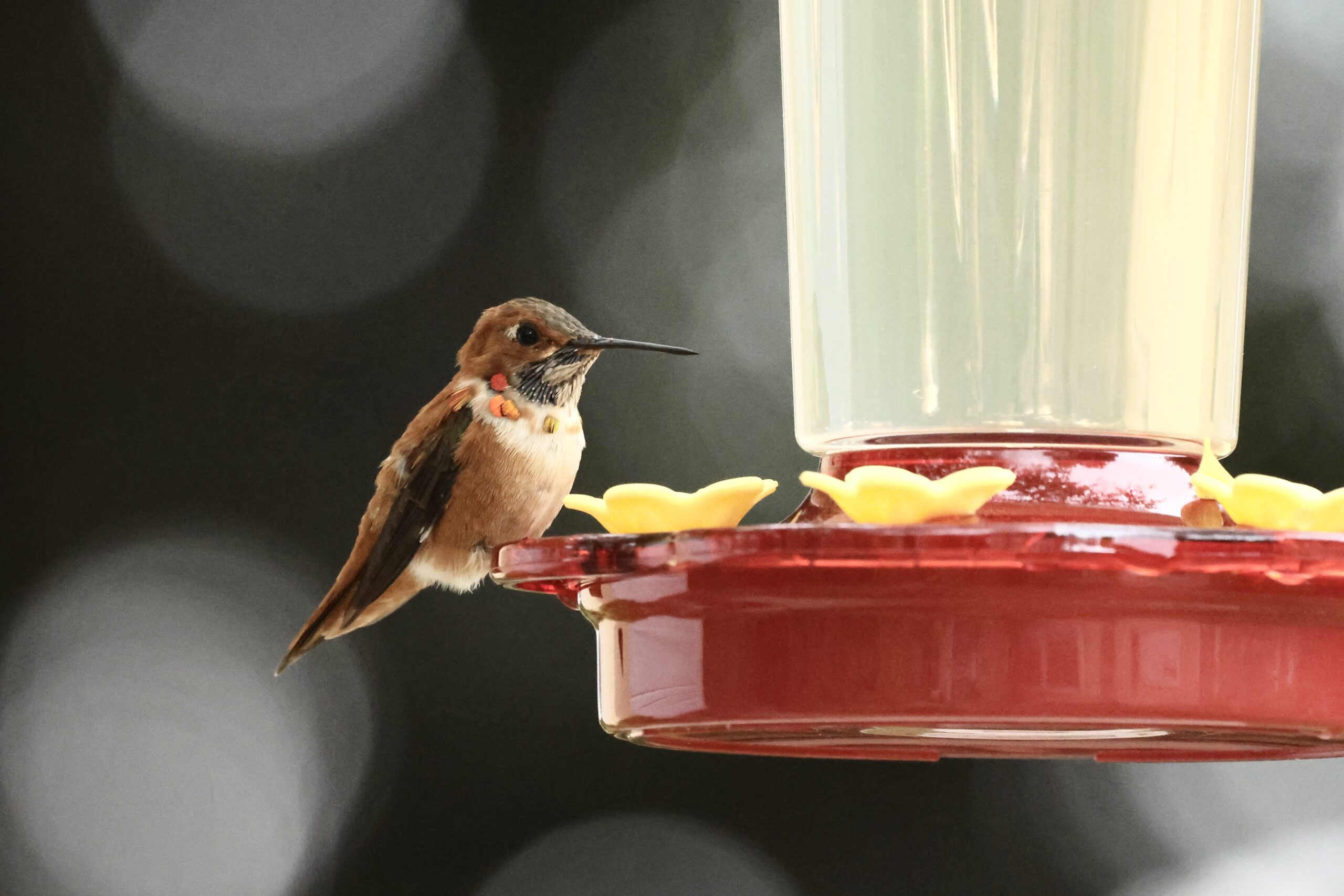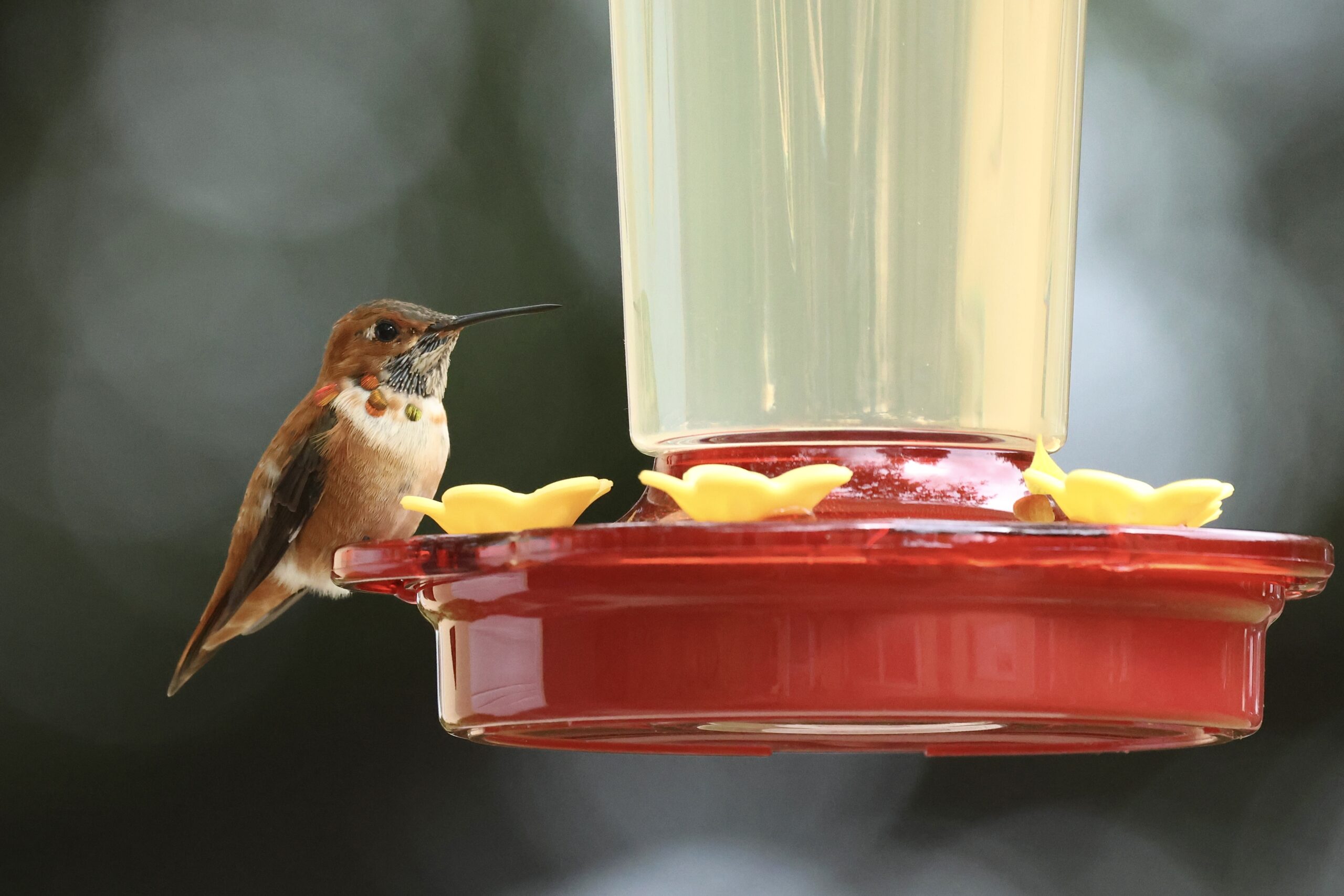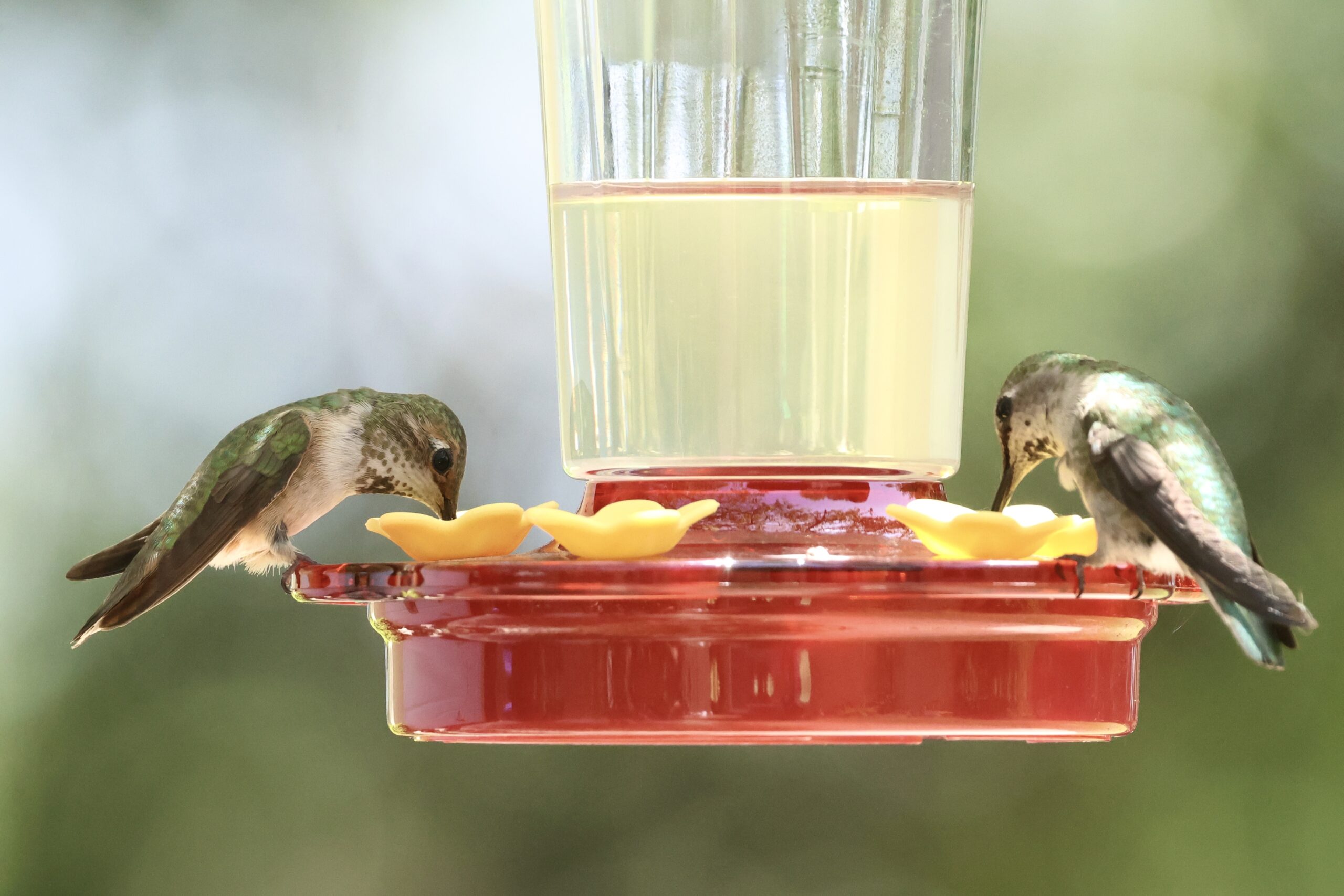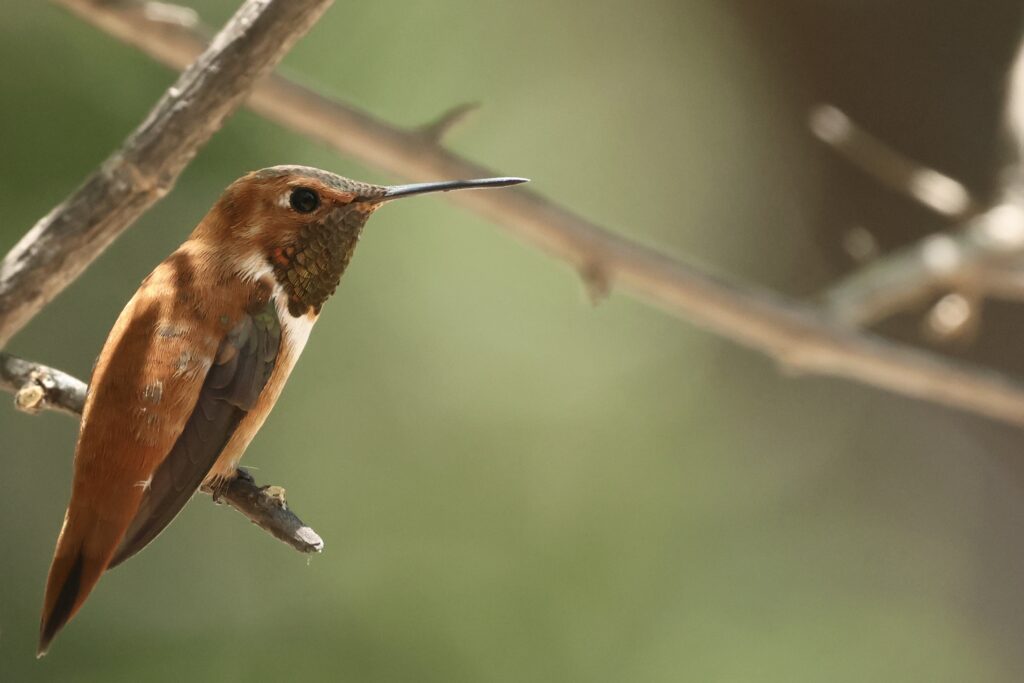
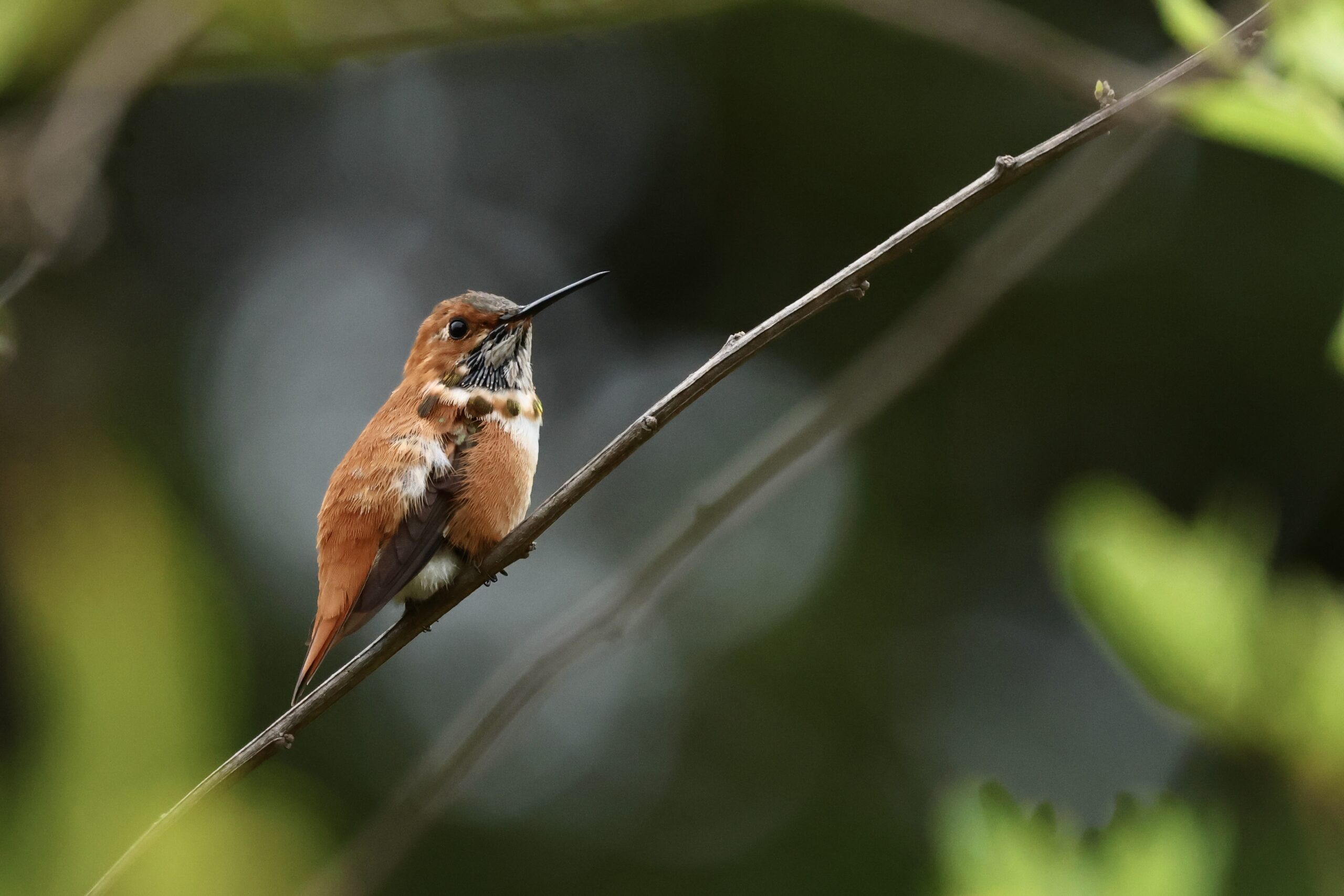
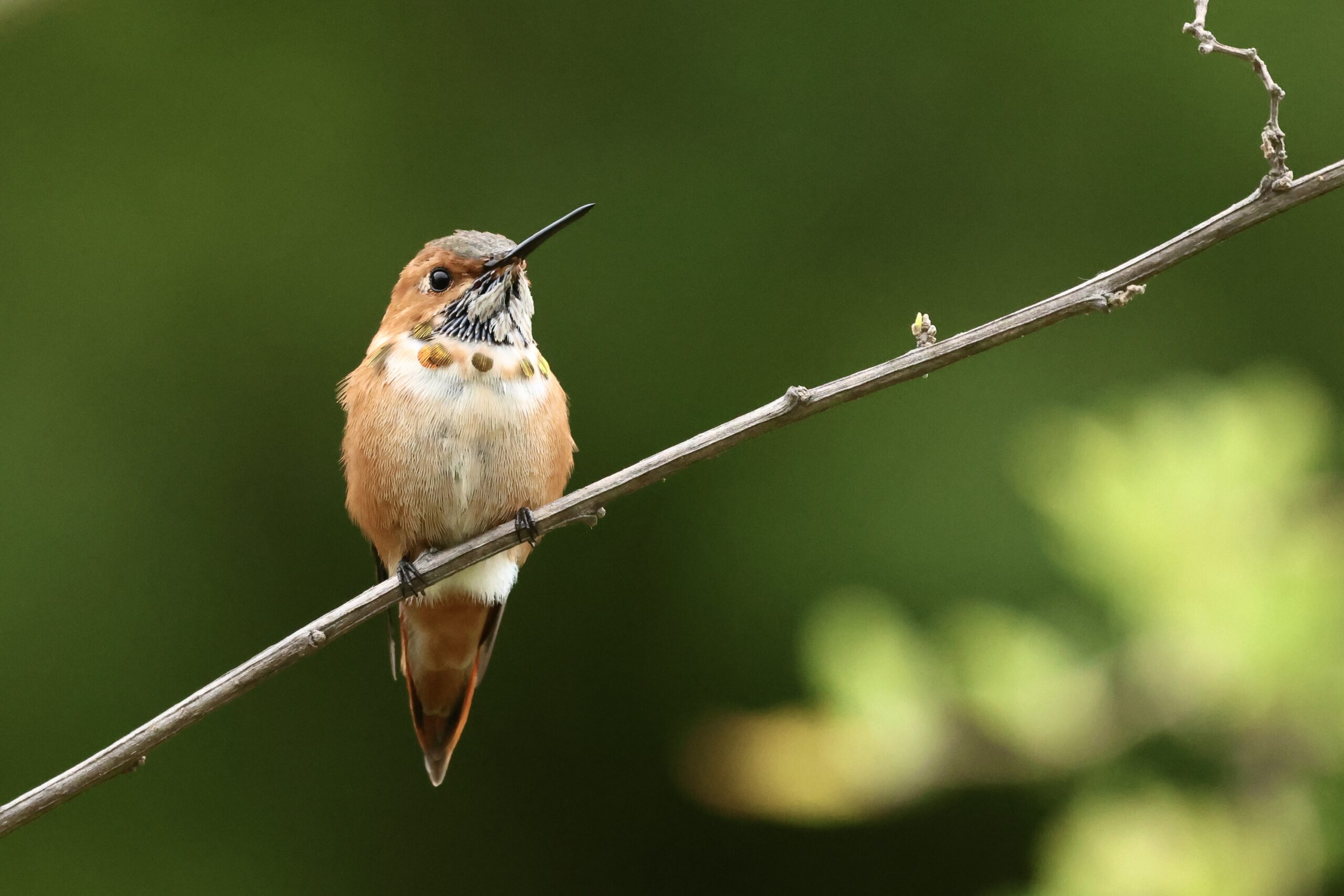
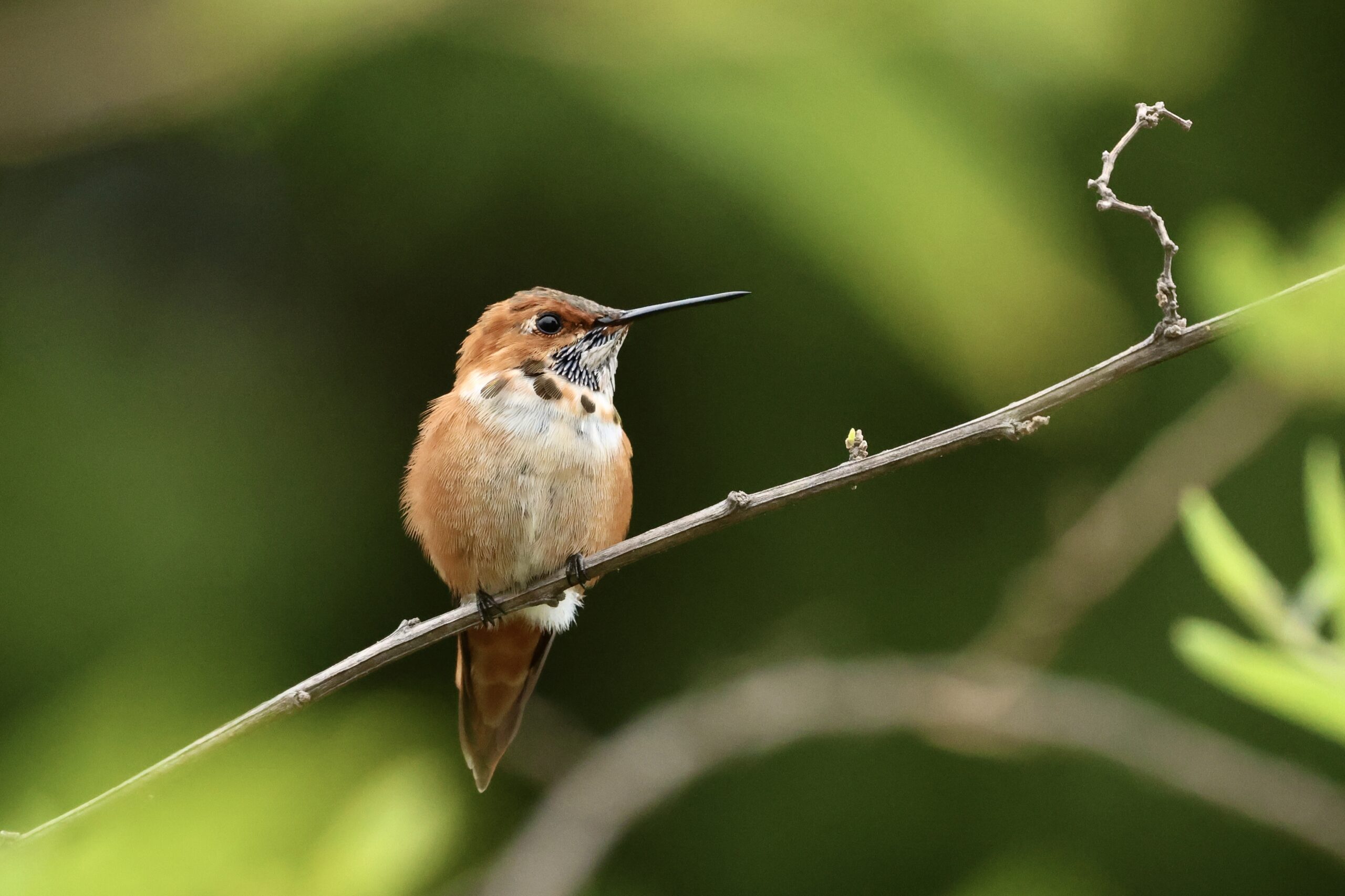
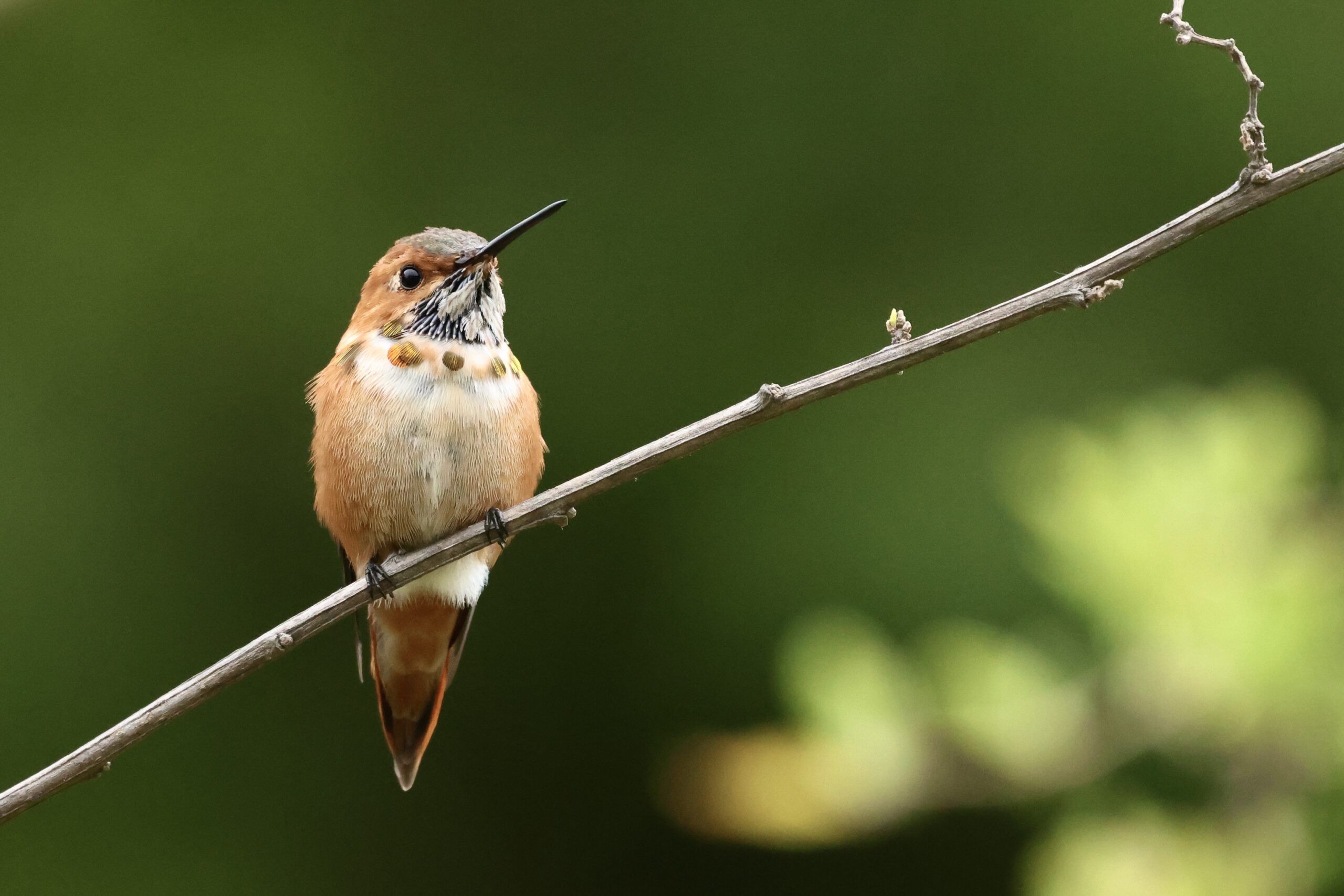
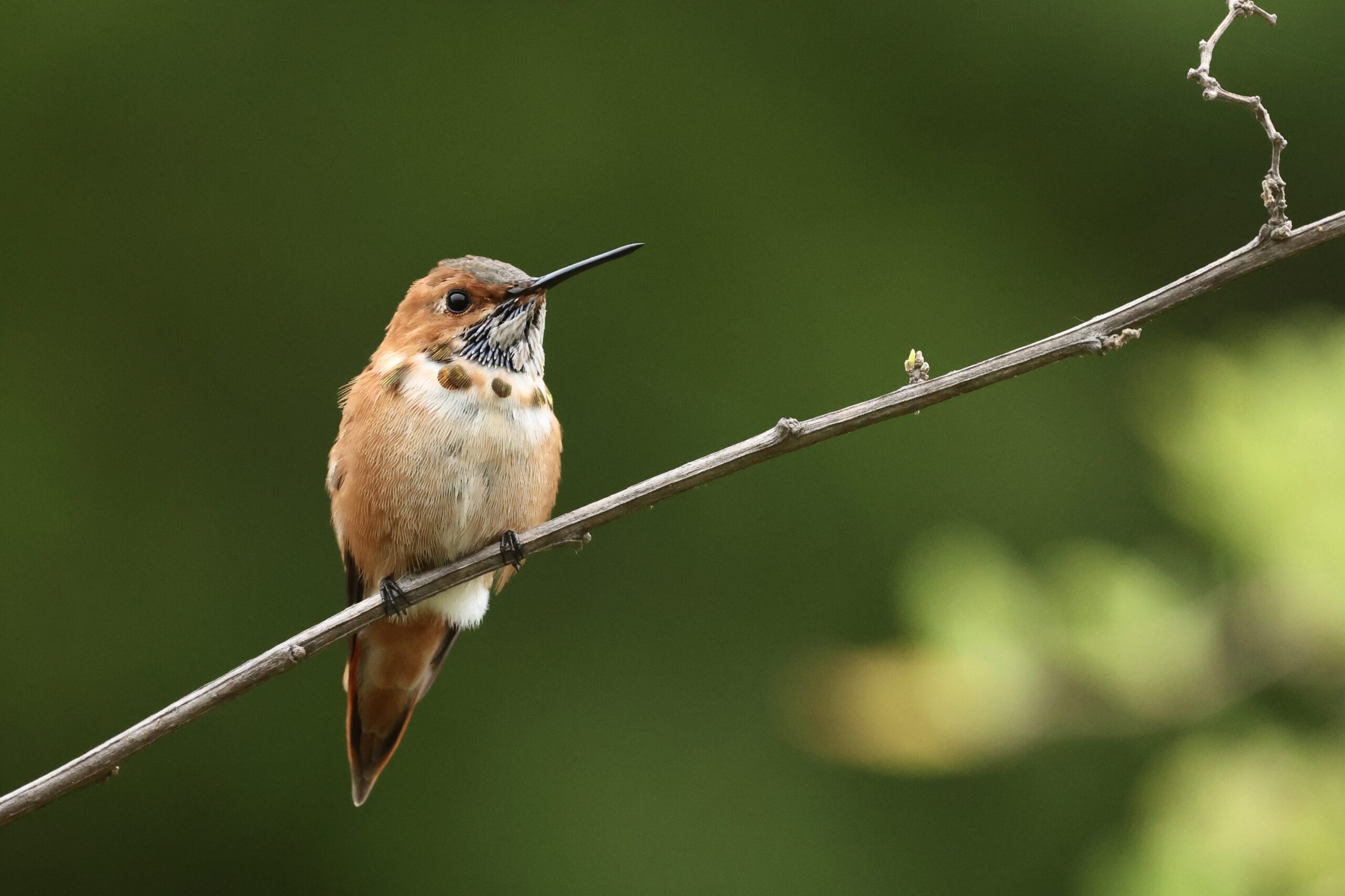
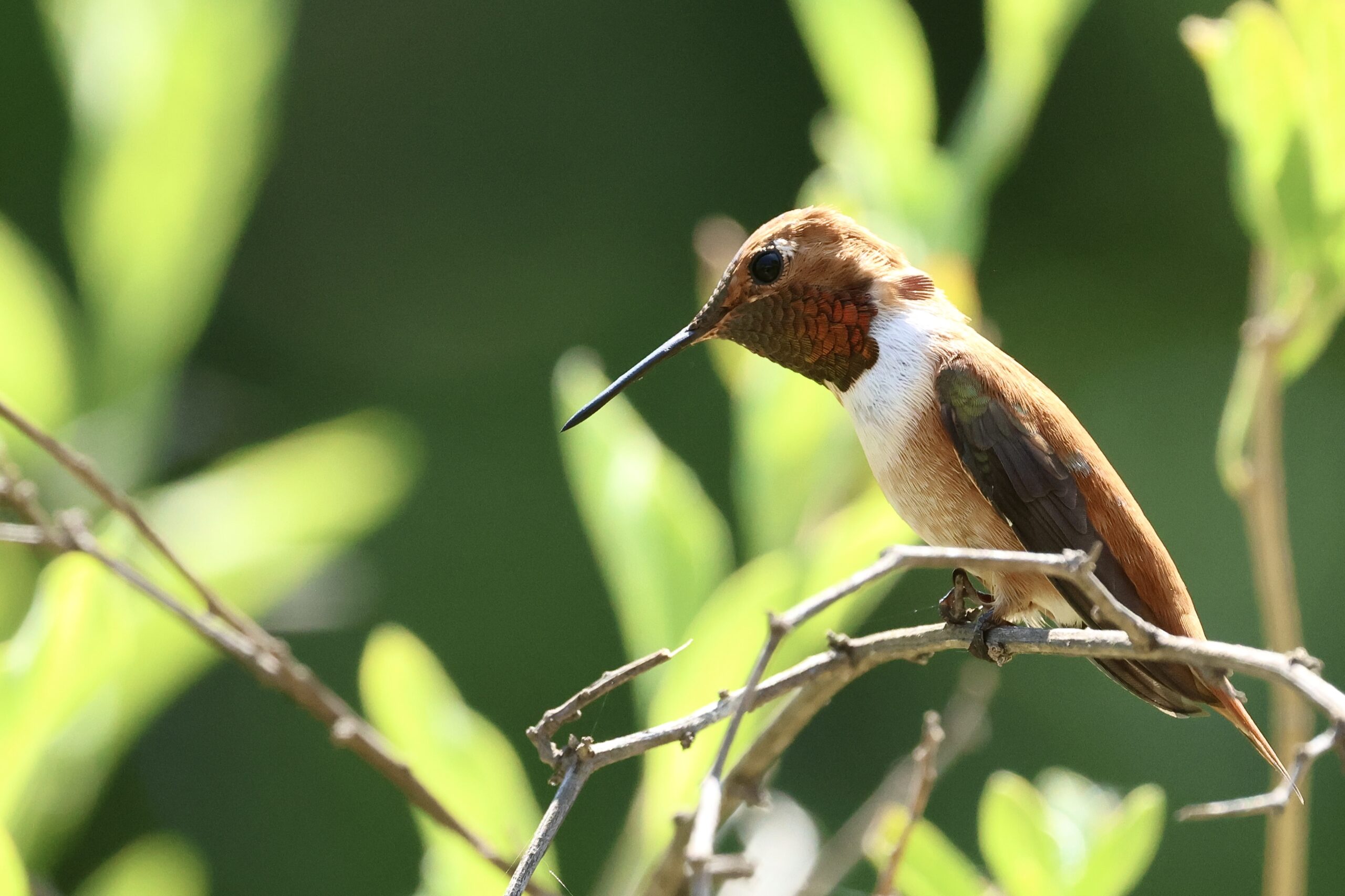
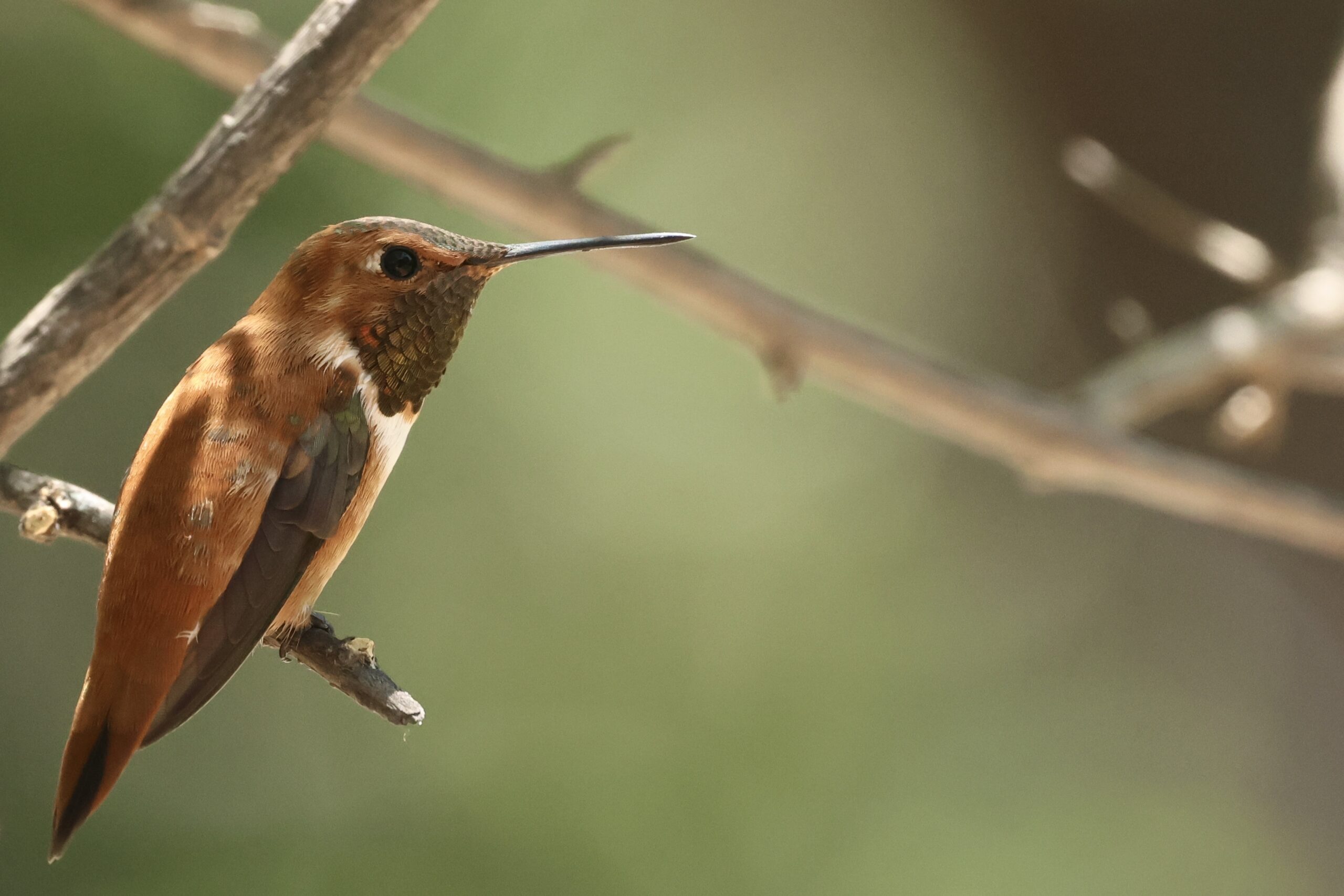
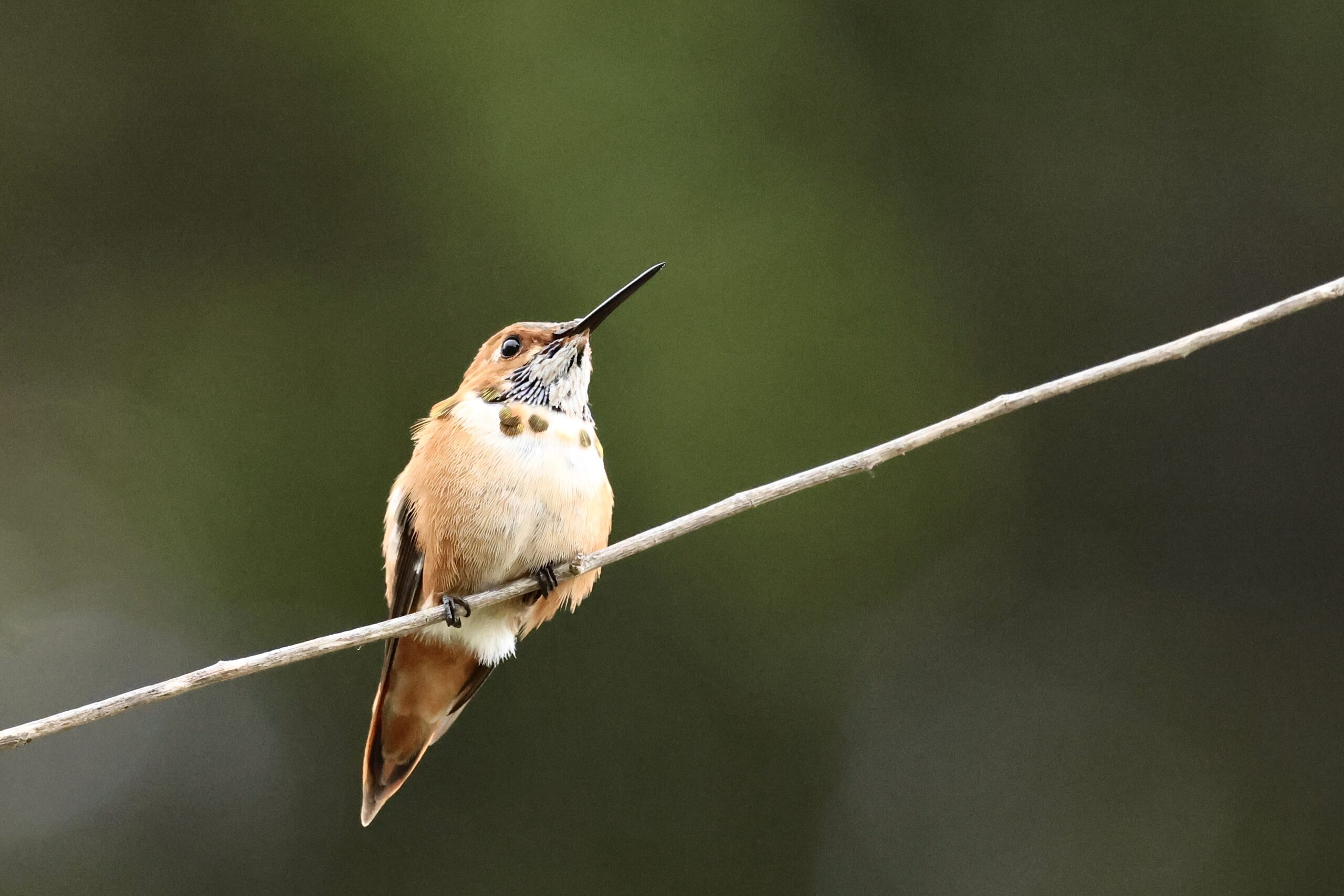
The Rufous and Allen’s Hummingbirds are one of the biggest ID challenges across Southern California. I am lucky to be able to host several Rufous Hummingbirds this spring in my yard (in Los Angeles County, CA), so I am writing this simple guide to share some photos and help you spot those beautiful Rufous Hummingbirds in the field.
Plumage:
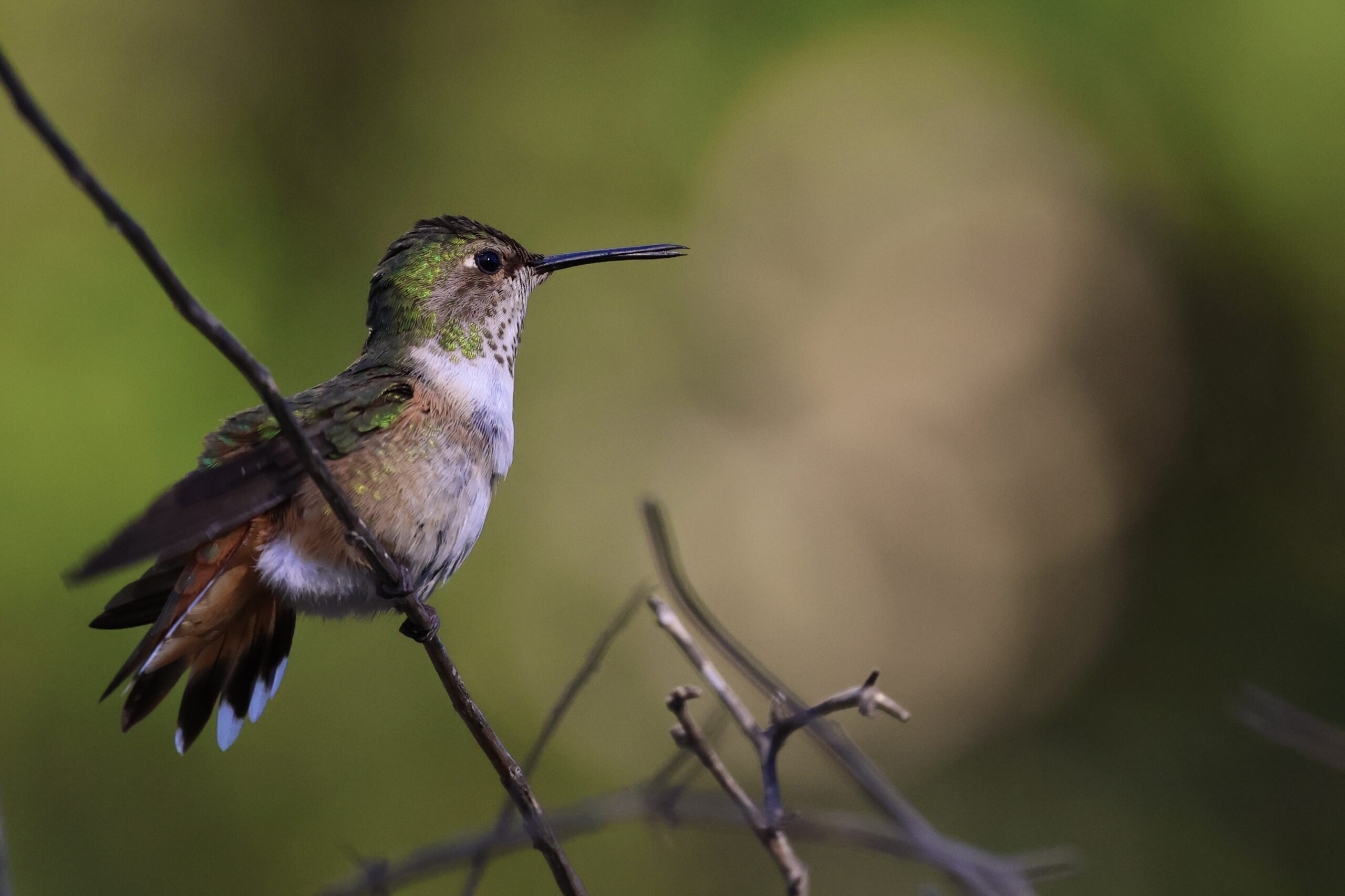
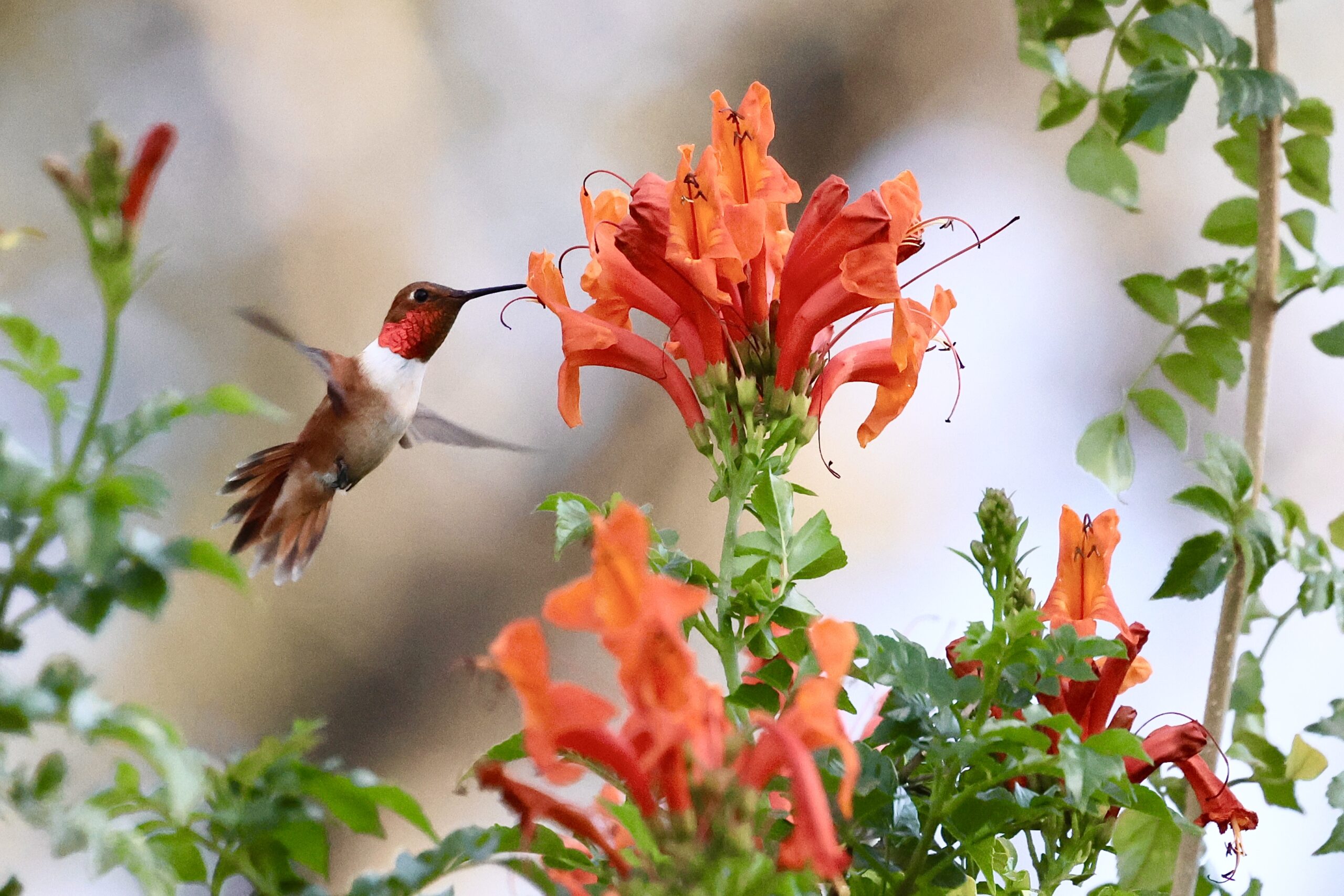
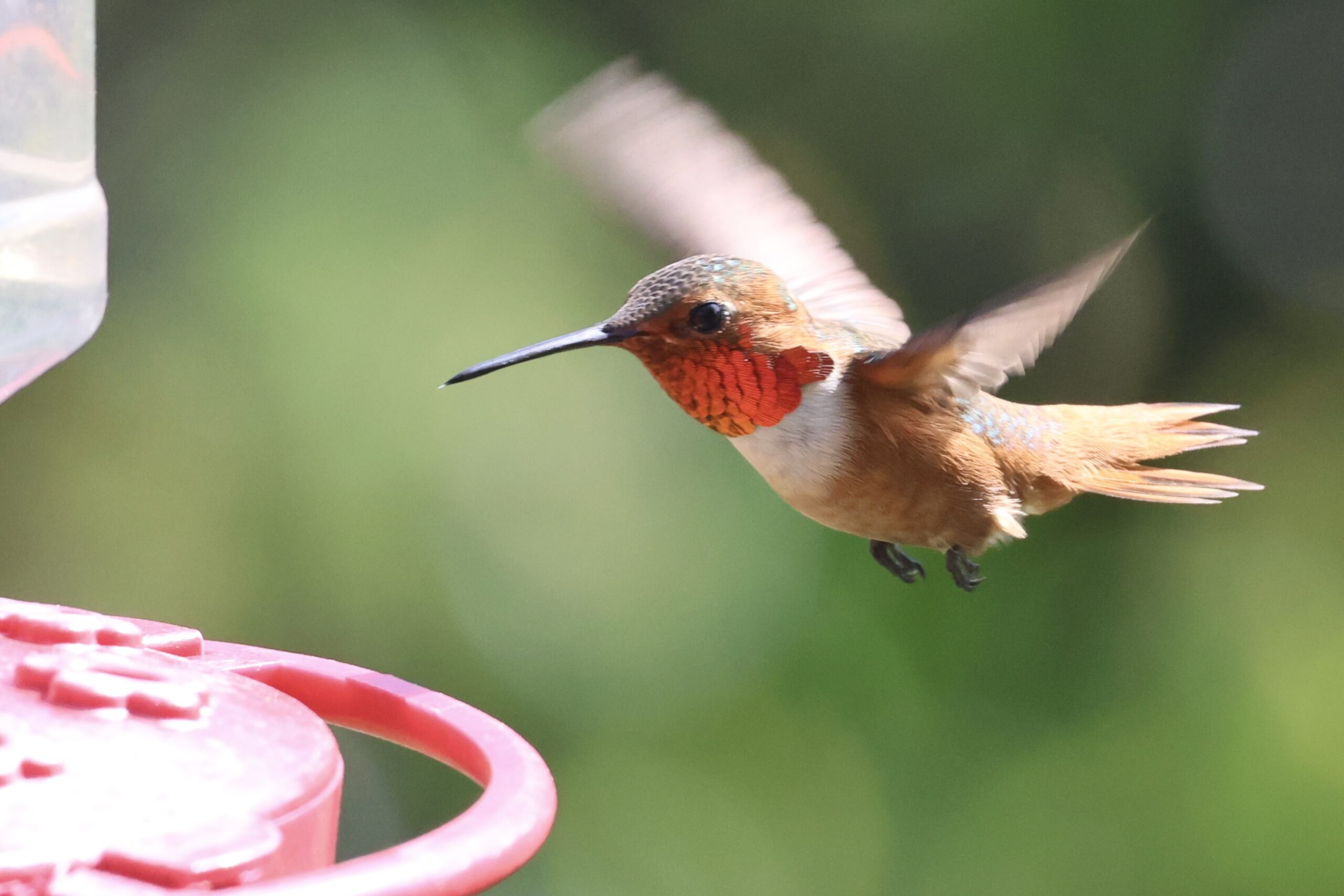
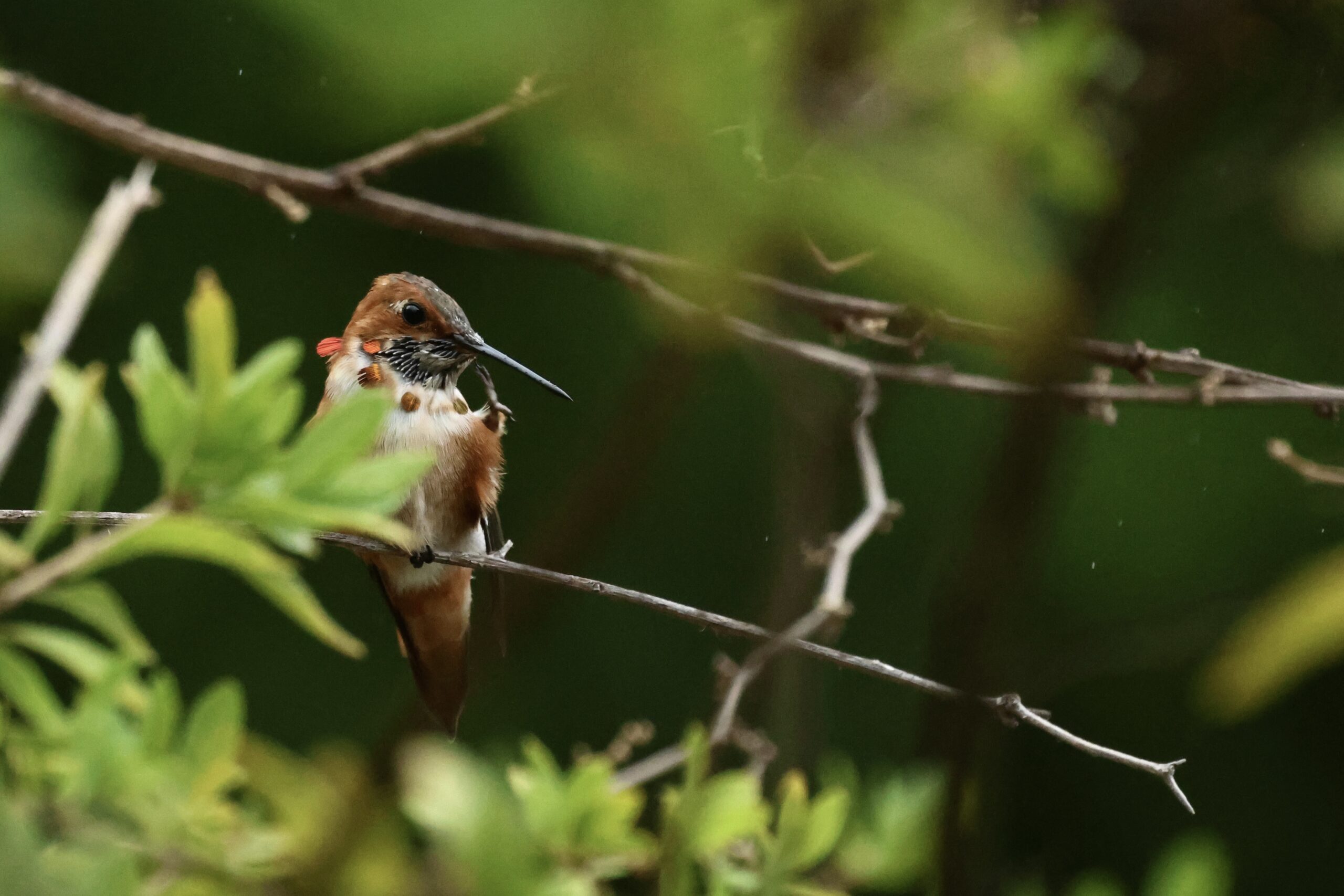
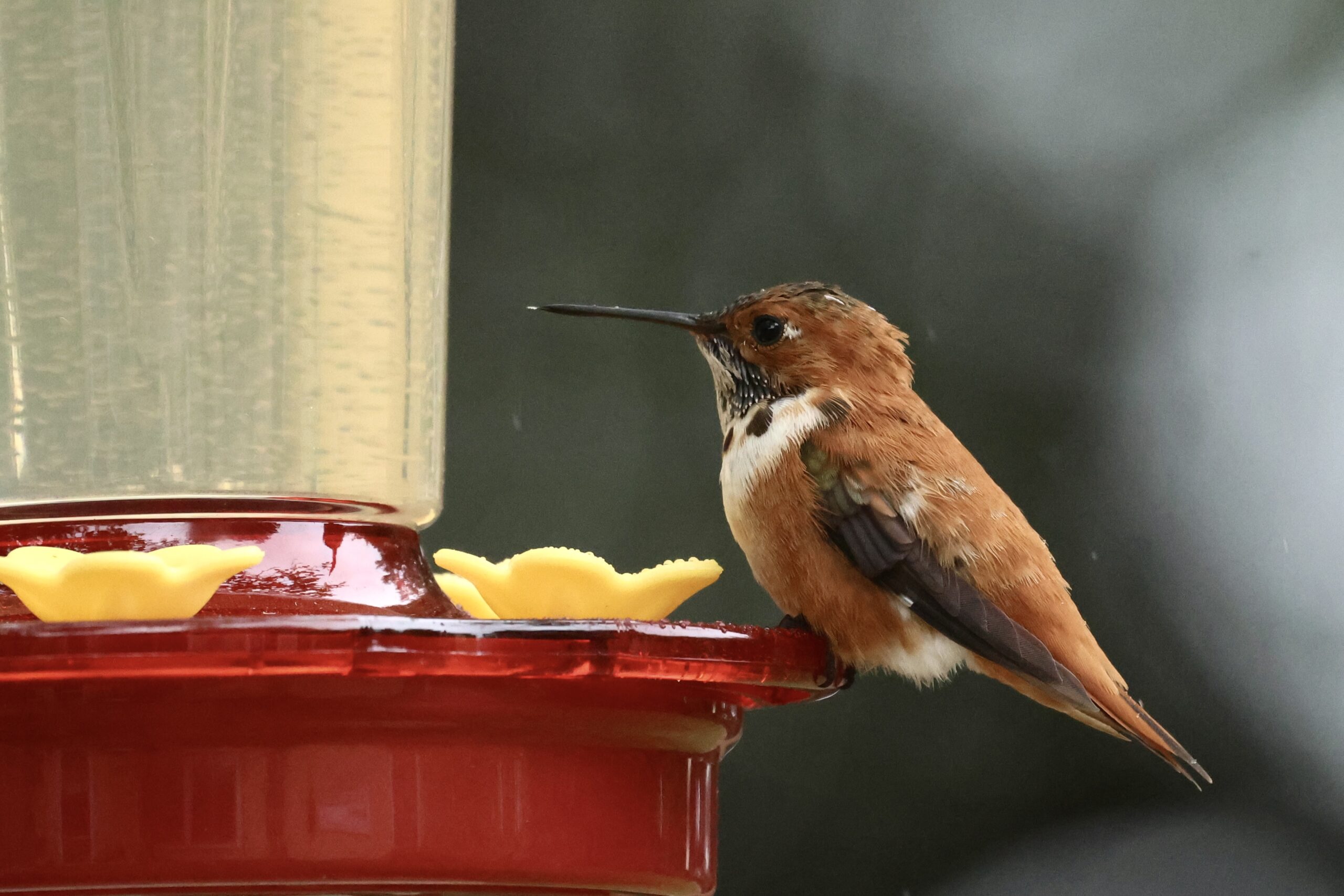
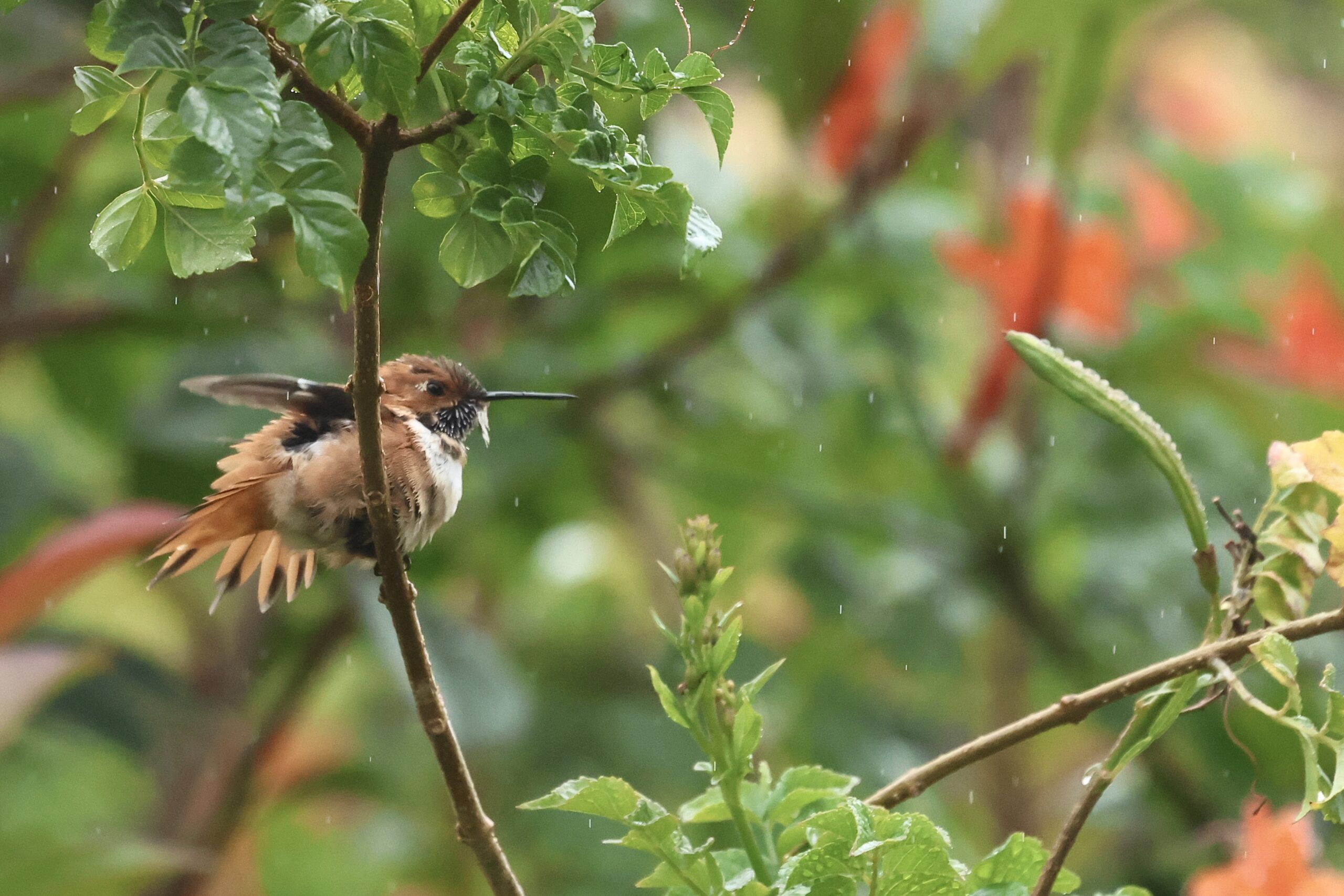
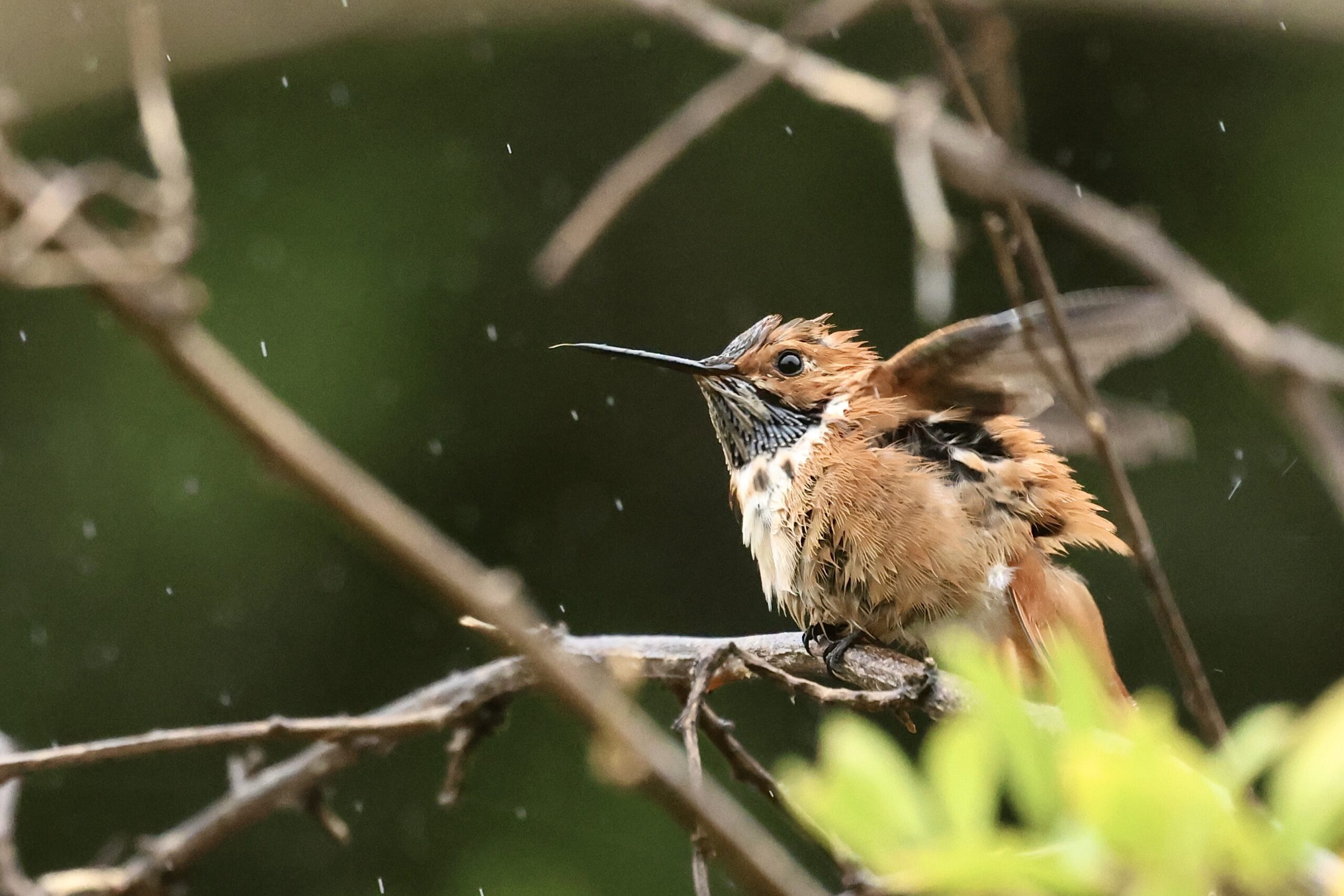
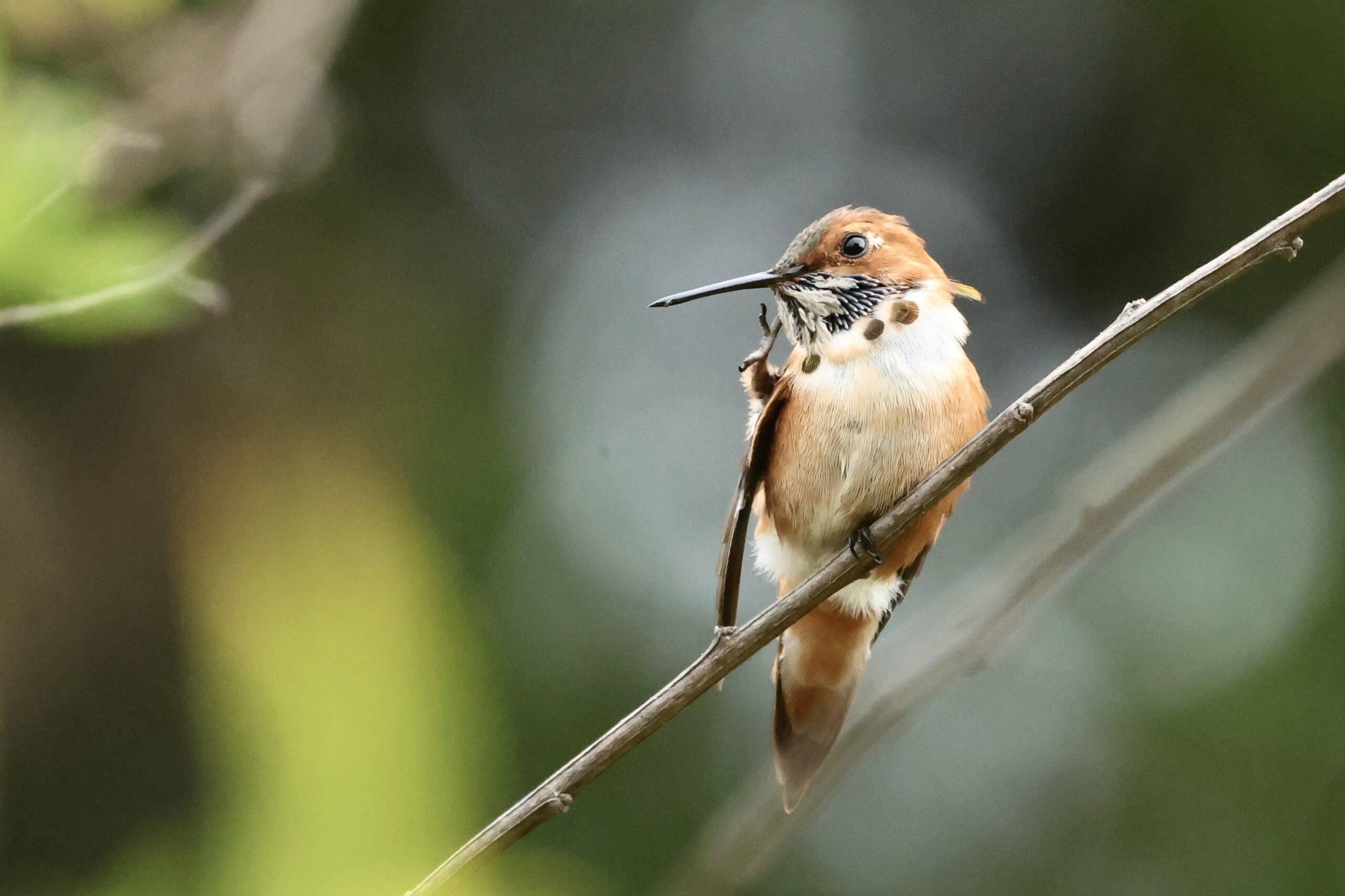
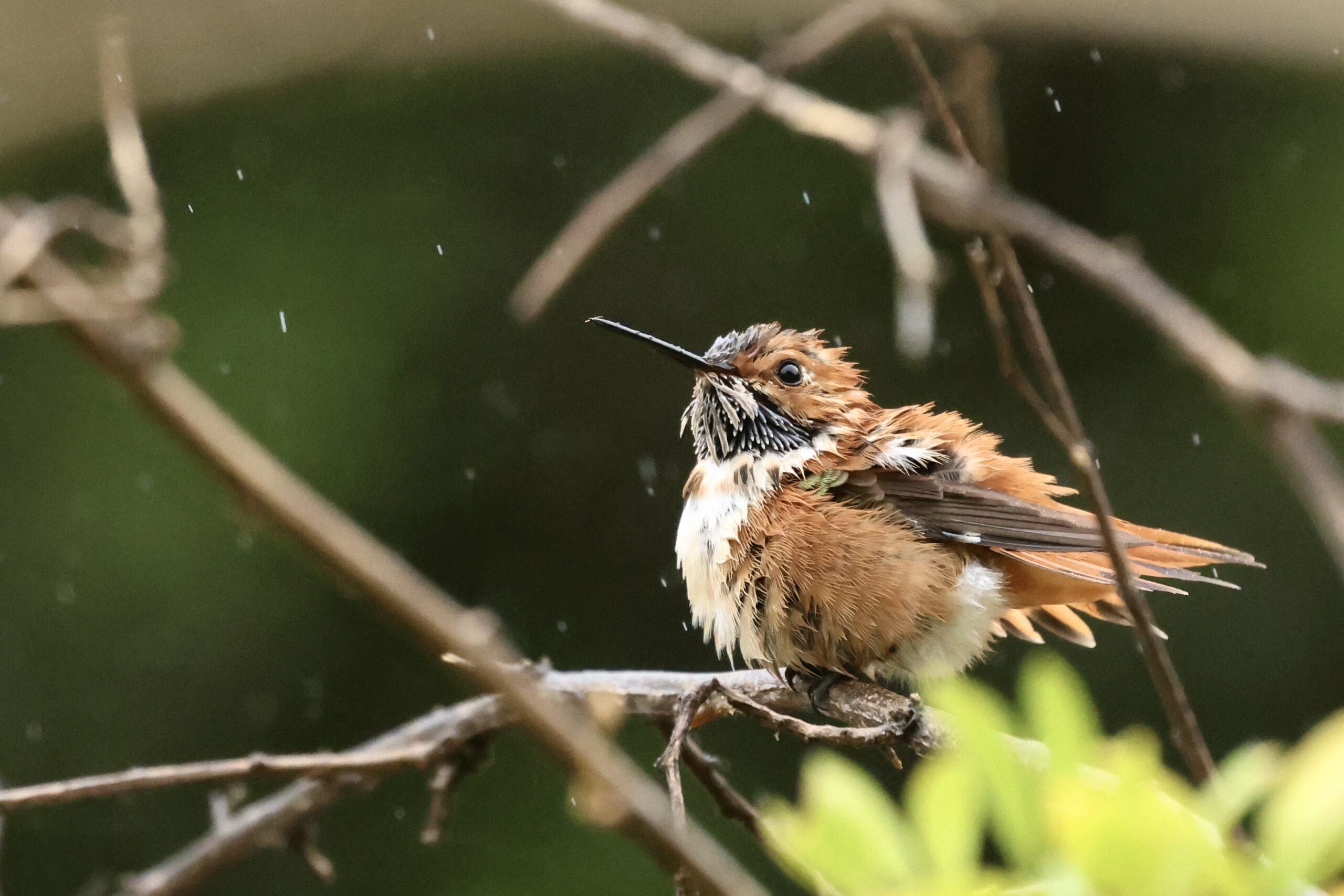
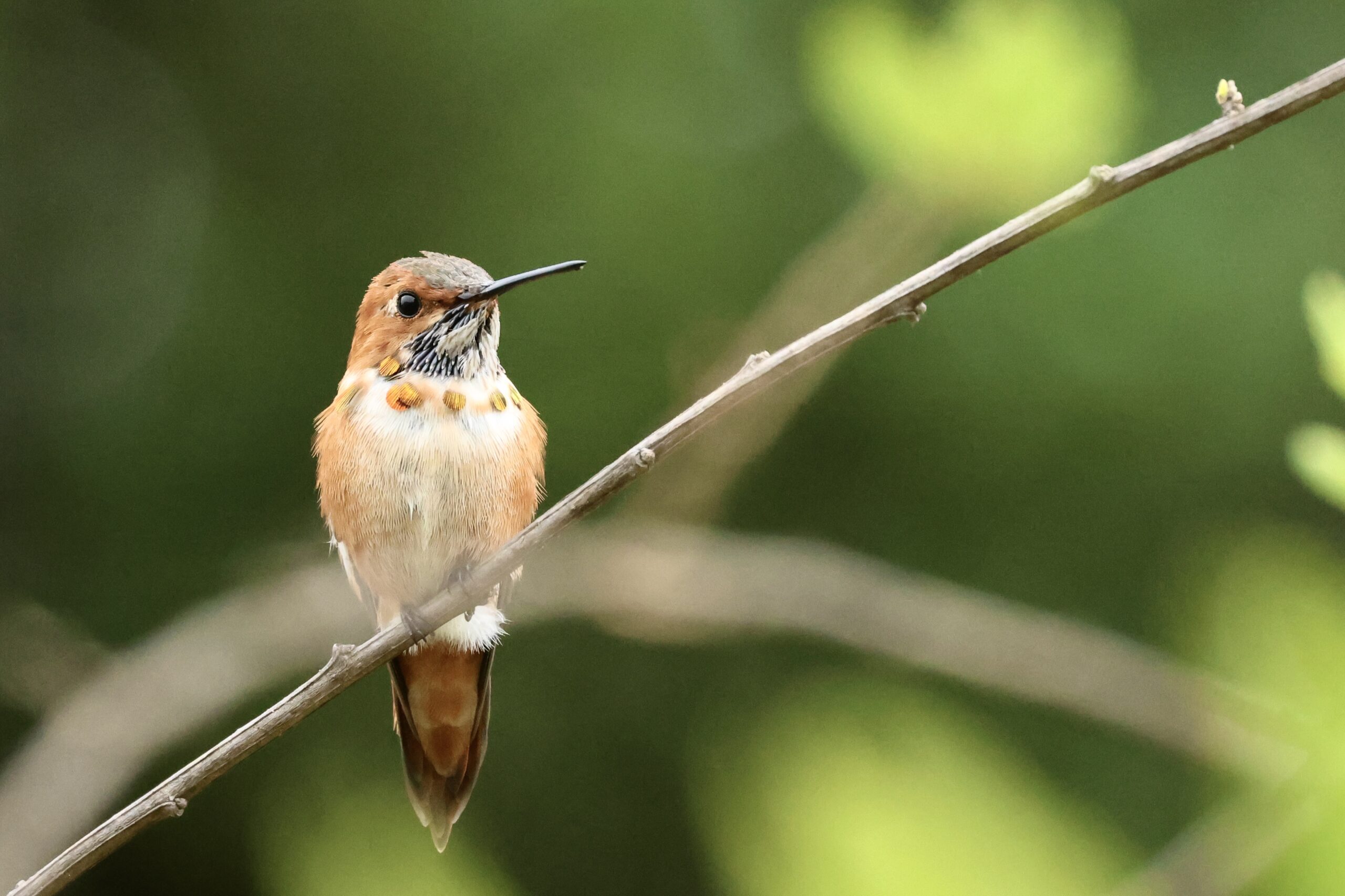
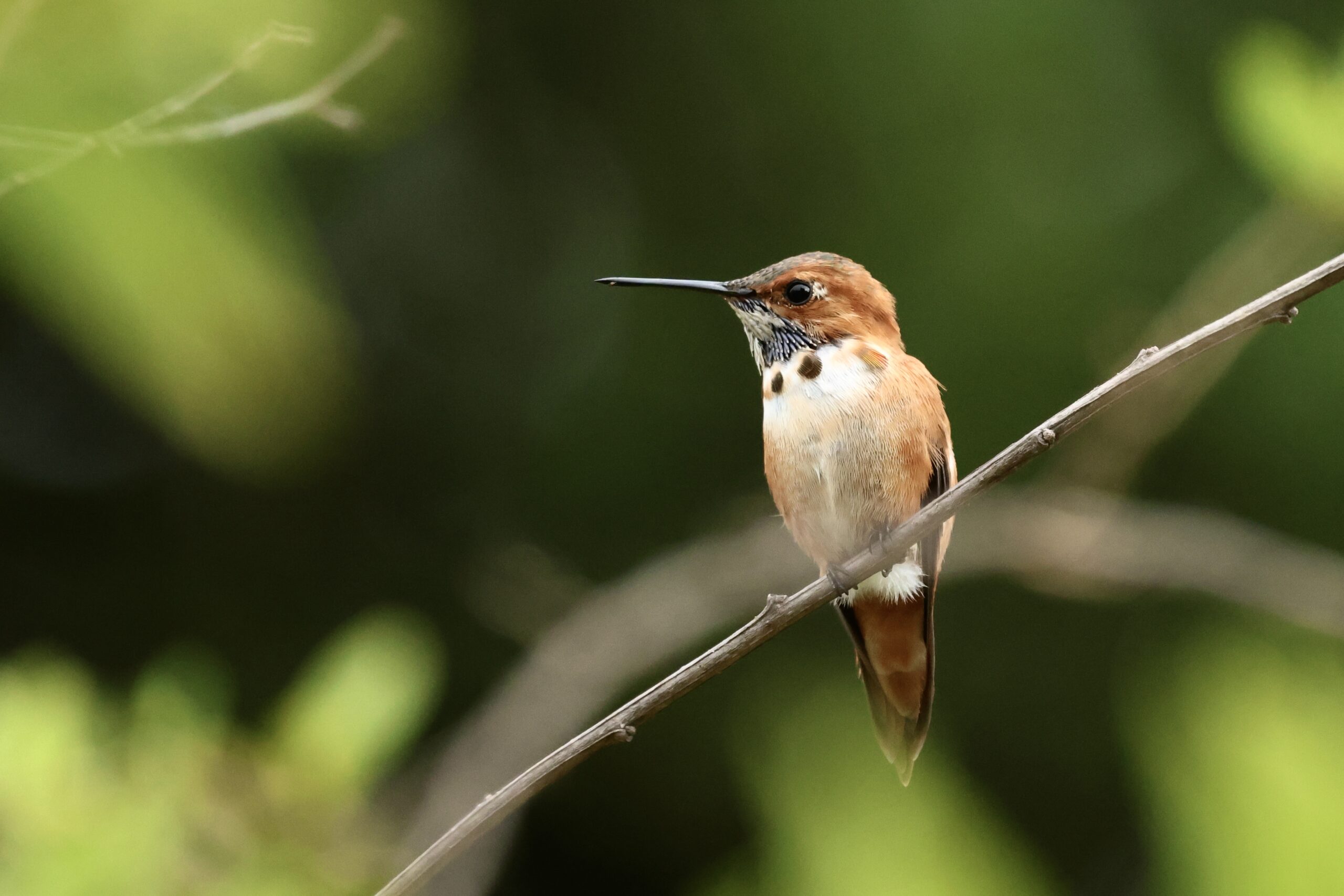
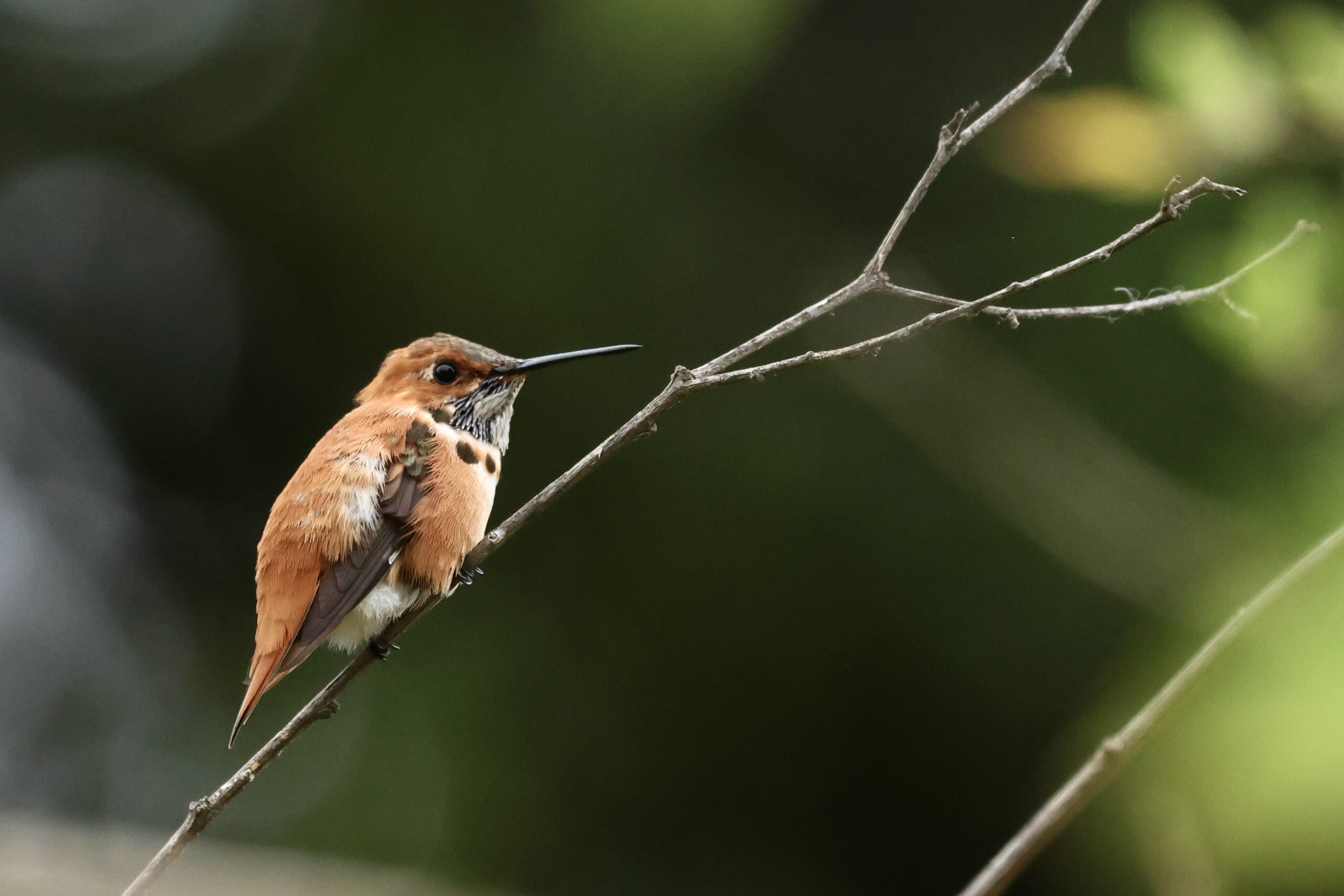
The Rufous Hummingbird’s rufous-backed adult male is most characterized and reliably separated from the Allen’s Hummingbirds by having a pure orange back. But there are often also green-backed individuals that can only be told apart from the Allen’s Hummingbirds by having a notched R2 (second rectrix or tail feather from the middle). Female-types (juvenile male and female) are sometimes too hard to reliably tell apart in the field, but Rufous Hummingbirds generally have broader outer tail feathers (mostly by looking at R5 or the 5th rectrix from the middle) and a slight notched R2.
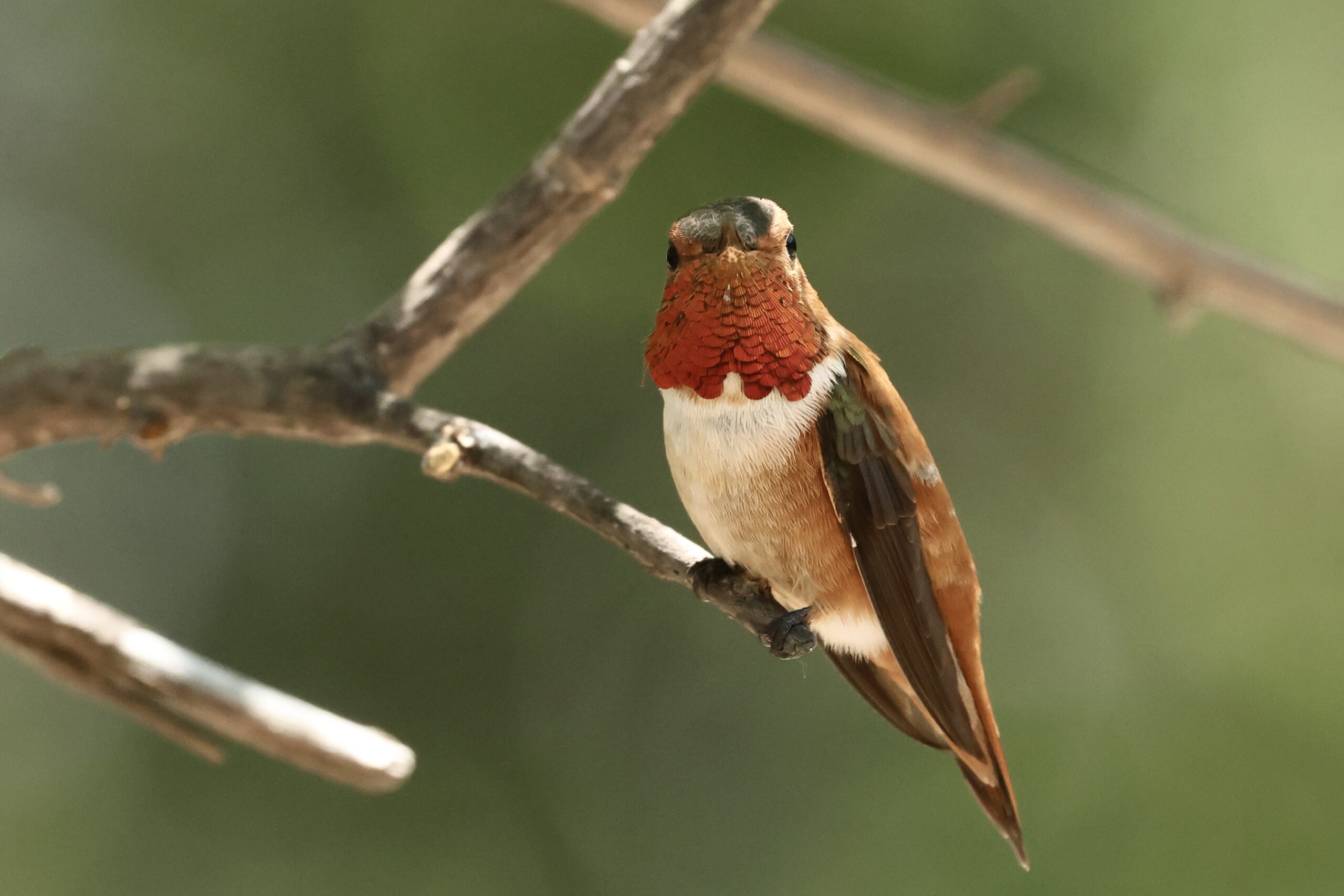
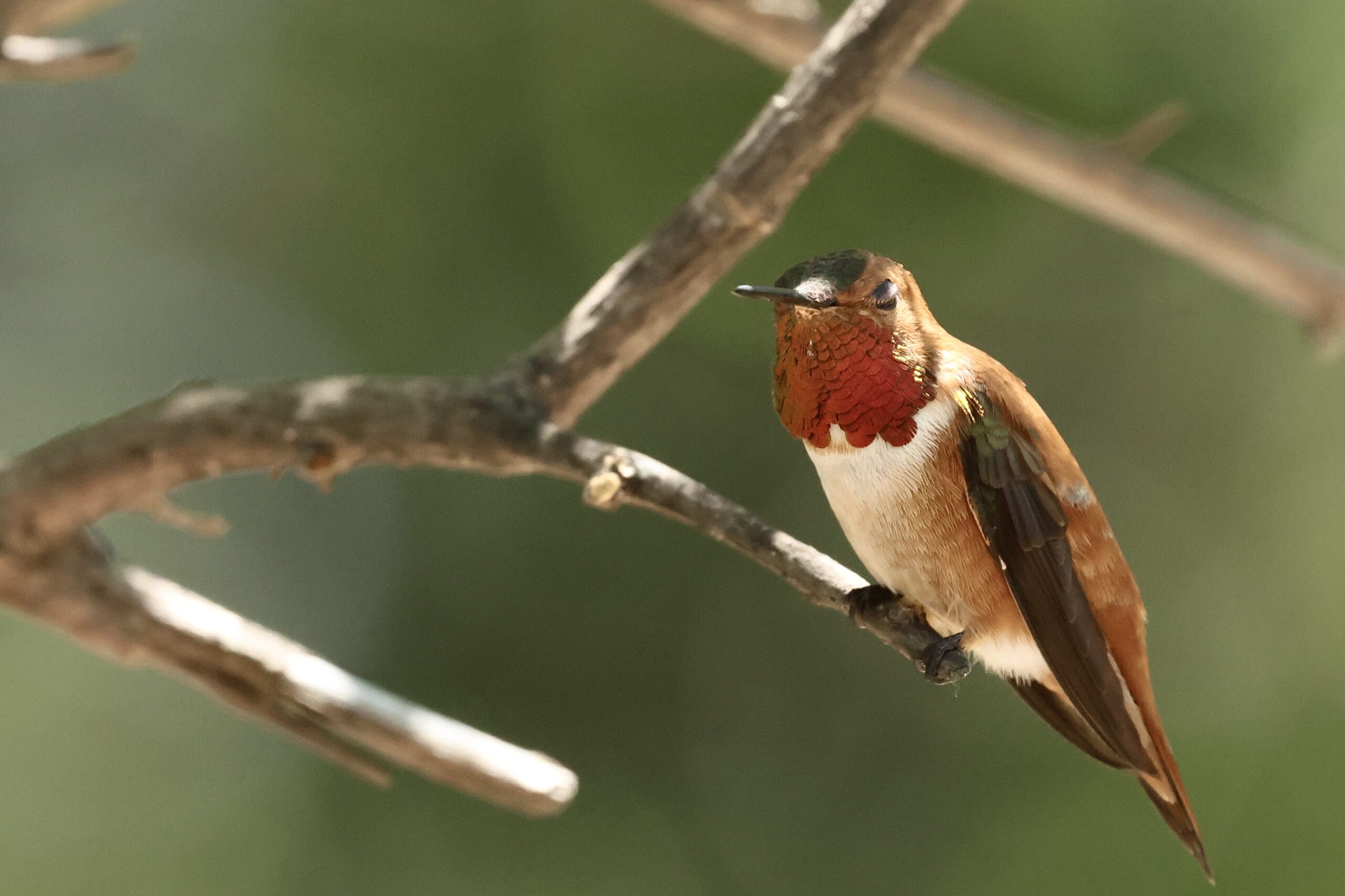
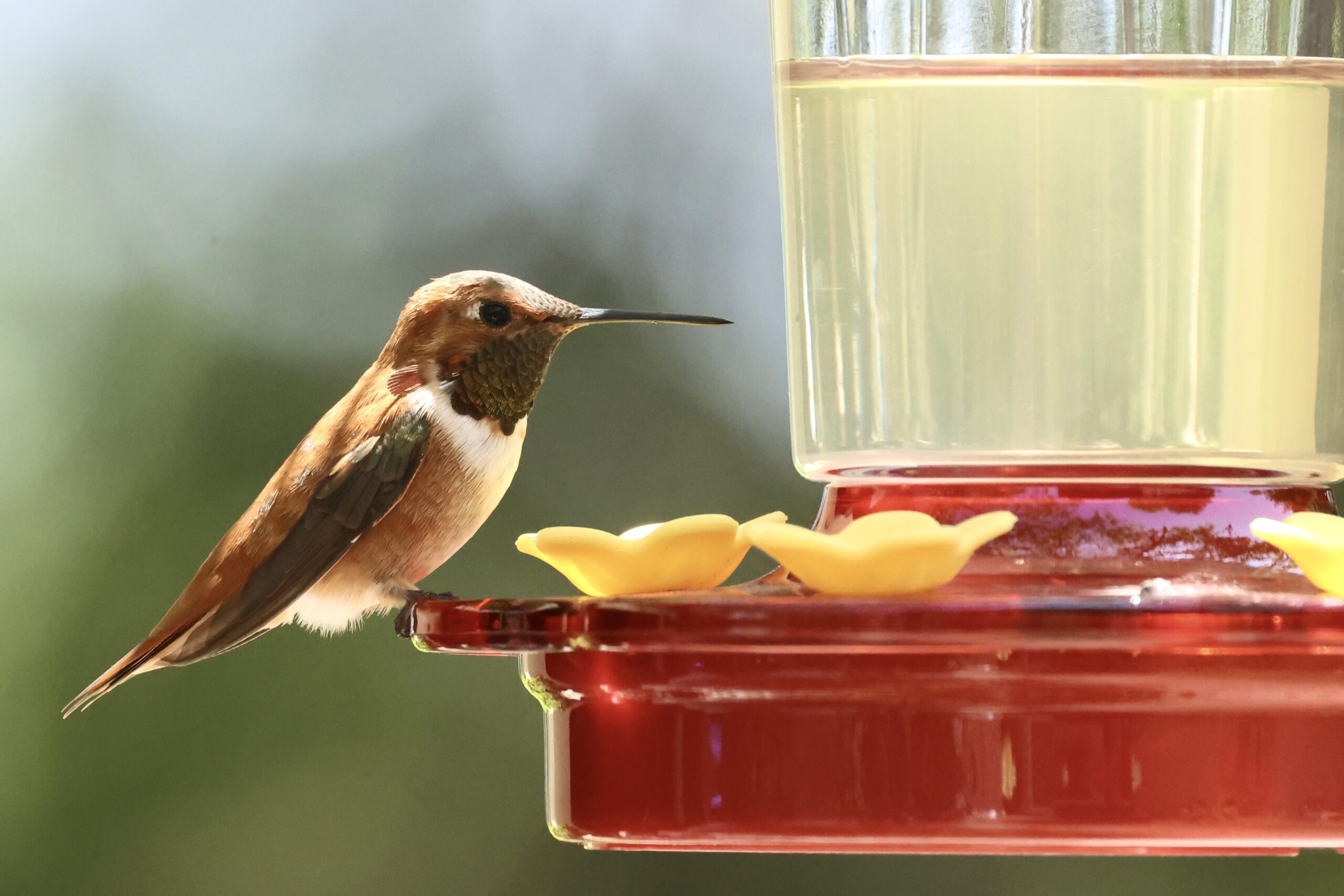
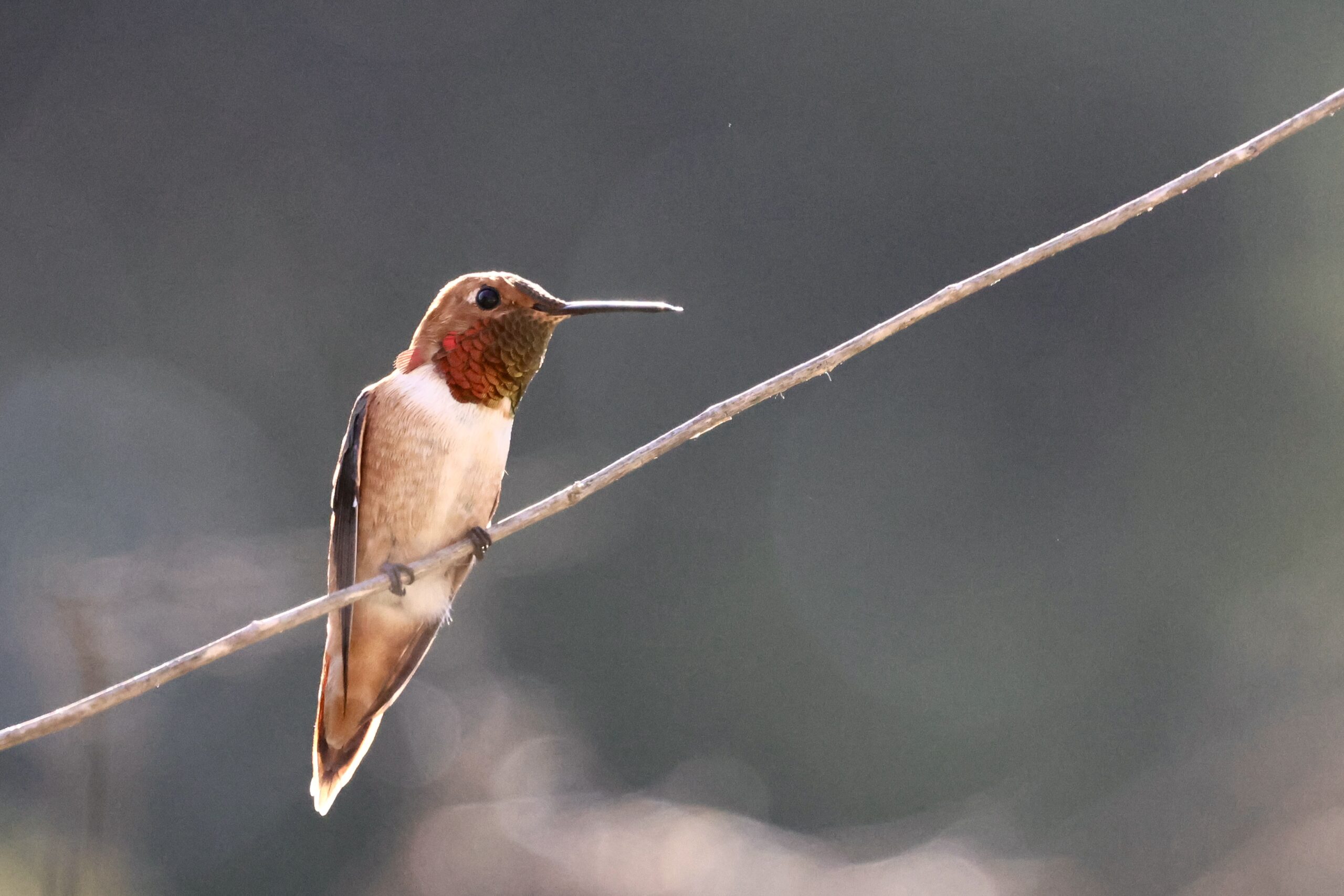
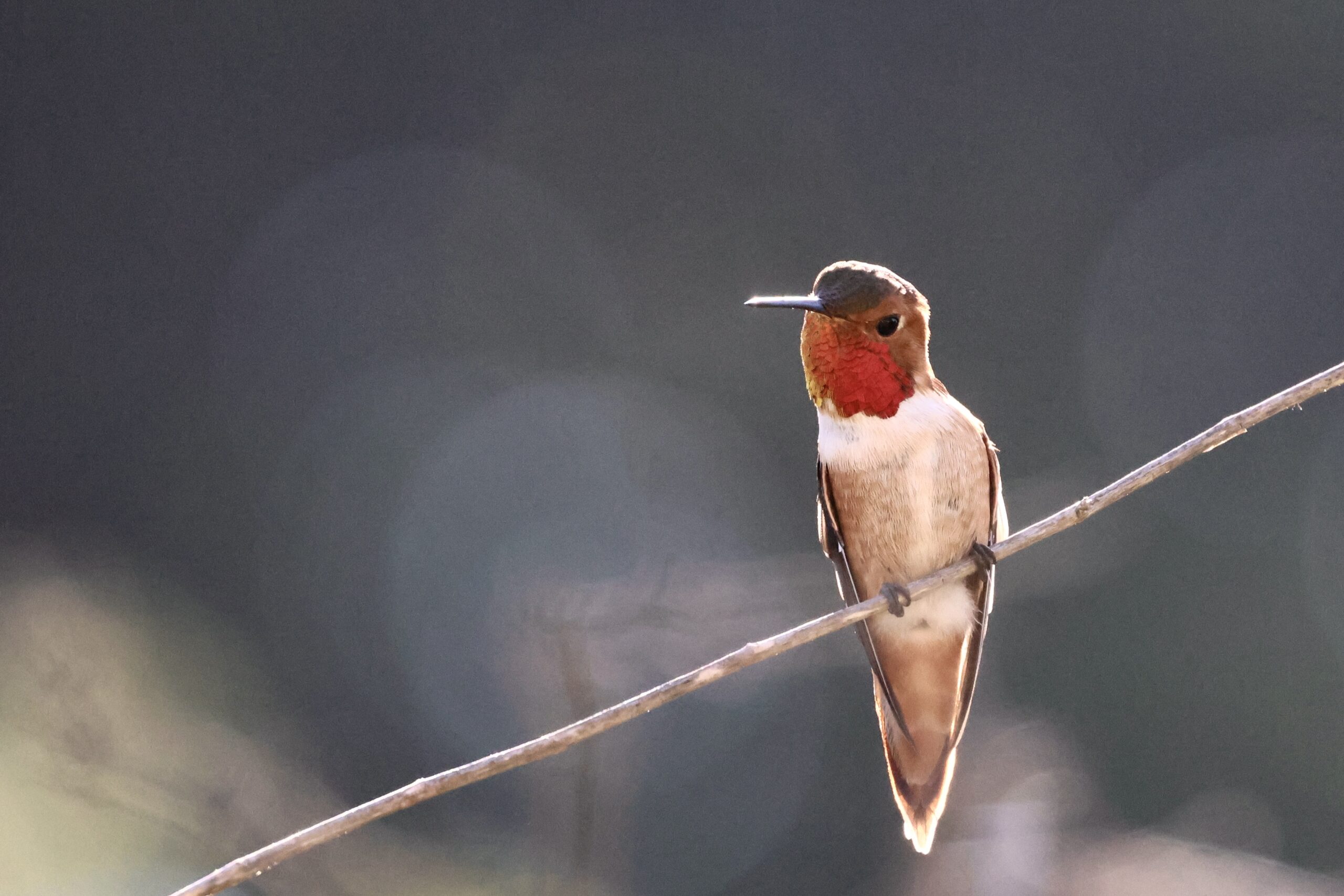
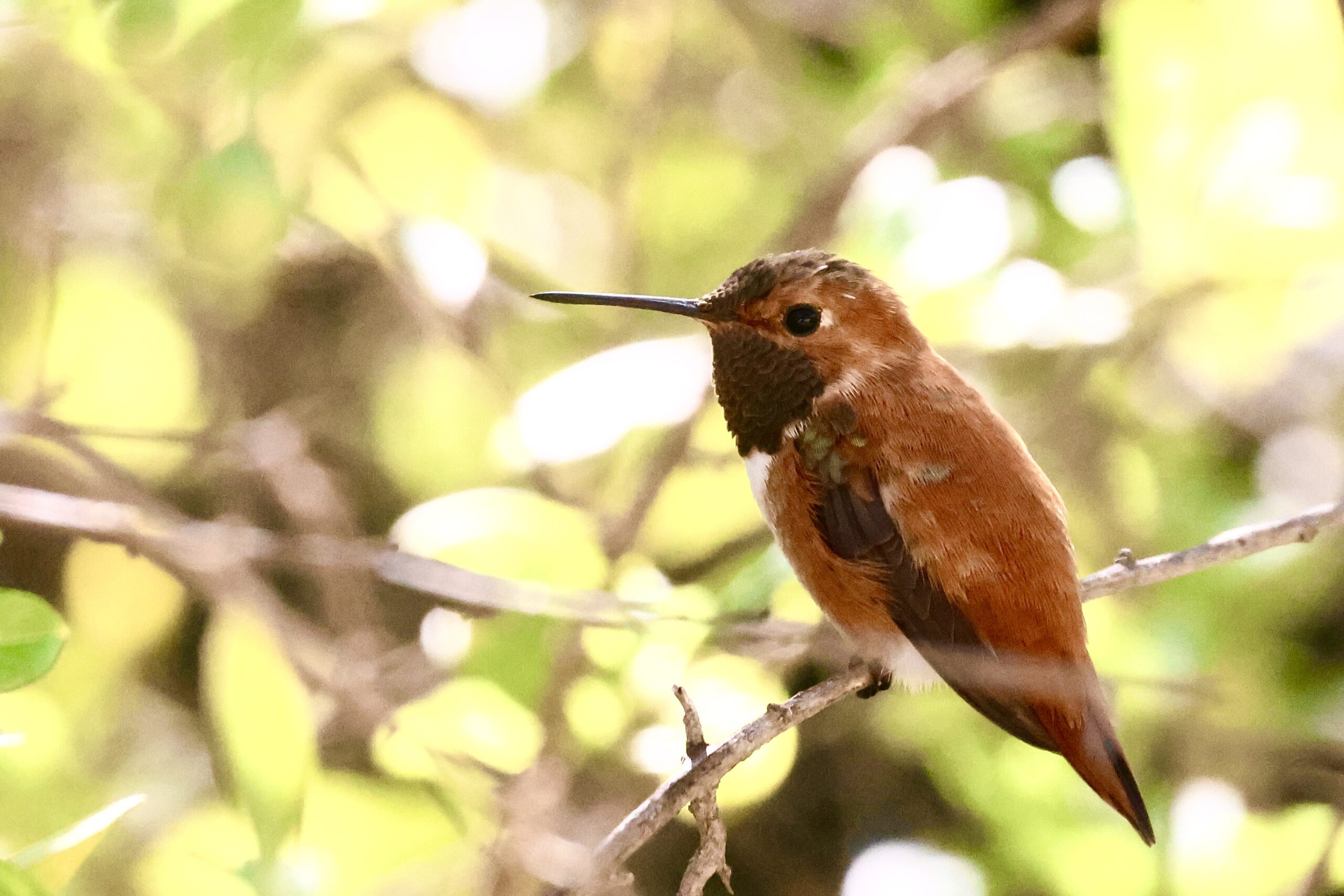
Range:
The two can be separated most of the year easily just by their range. The Allen’s Hummingbirds are the most common breeding hummingbirds along the pacific coast of California, with some extending into southern Oregon in the summer and northern Baja California. They are a year round residents in Southern California and extreme North Baja California. The Rufous Hummingbirds on the other hand are only spring migrants to the Pacific Slope of California (including Los Angeles) and migrates mostly through the inland deserts and montane meadows (Sierra Nevada, Arizona, New Mexico, Utah, Colorado, Nevada, etc.) during the fall migration. They breed in Oregon, Washington State, British Columbia, Pacific Coast Alaska, and parts of the Northern Rocky Mountains (Idaho to British Columbia). The Rufous Hummingbirds mostly winter in Mexico, but are often found in the coastal area of the southeast United States.
Allen’s Hummingbird eBird Status and Trends: https://science.ebird.org/en/status-and-trends/species/allhum/abundance-map
Rufous Hummingbird eBird Status and Trends: https://science.ebird.org/en/status-and-trends/species/rufhum/abundance-map
Call and behavior (not necessarily reliable):
This may not be reliable but Merlin tends to be extremely good at picking out Rufous Hummingbirds’ calls at my house, every time a Rufous Hummingbird shows up on the list I am able to confirm it with photos. There might be some key differences in the sonograms that do not sound different to human ears. The Rufous Hummingbirds at my house also use a slightly lower pitched fight call (the ones they use when chasing each other) but that seems to vary a lot between each hummingbird. Rufous Hummingbirds also tends to be a lot more aggressive than the Allen’s Hummingbirds in my yard, they basically controls all the feeders when they arrive, while the Allen’s Hummingbirds always share the feeder with at least one other hummingbirds, but this might be the most unreliable tip during field ID, since some Allen’s Hummingbirds are more aggressive than others and some Rufous Hummingbirds are also more friendly especially at feeding stations with huge amount of hummingbirds (like maybe 20+ at a time). The aggressiveness to food source protection might also be due to the Rufous Hummingbirds’ huge need for energy during migration, but it can also be caused by Rufous Hummingbirds being slightly bigger because they stocked up for migration (SOCAL is at the beginning so they are still very big) which might explain why they dominates the feeders every time.
DO NOT REPORT BIRD ONLY HEARD BY MERLIN AND NOT CONFIRMED BY PHOTOS, RECORDINGS, OR FIELD MARKS. Those call and behavior tips are not reliable identification field marks but can be very helpful to tell you to pay attention to a particular hummingbird.